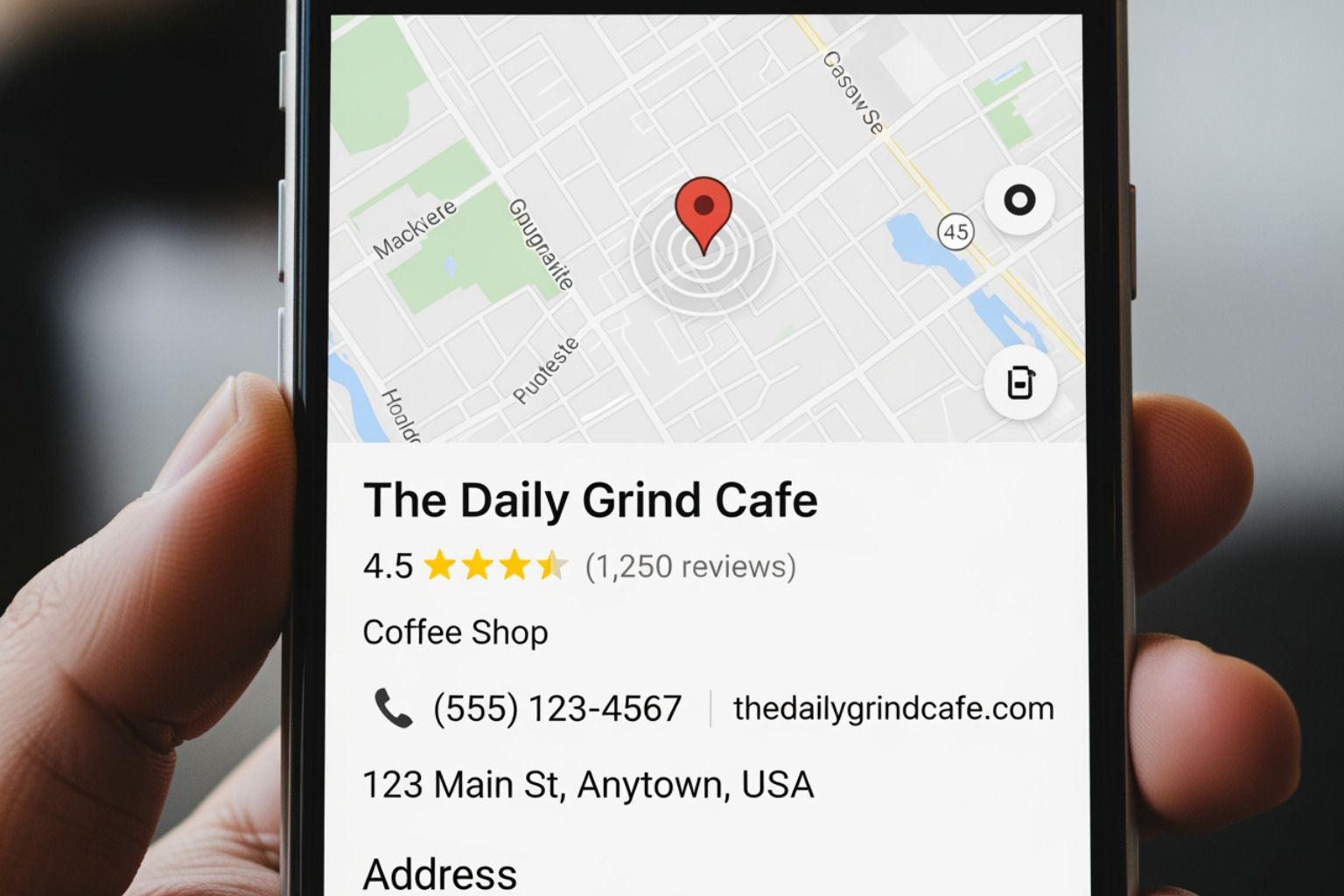

Local SEO
December 31, 2025

Boost your business: the ultimate guide to GMB optimization services.

TL;DR

A gmb seo company optimizes your Google Business Profile to rank high in local search, driving more calls, website visits, and foot traffic. These agencies handle everything from setup and optimization to review management and link building, ensuring you rank in the Google Local 3-Pack for high-intent customers.

What a GMB SEO company does:

  • Optimizes your Google Business Profile for maximum local visibility
  • Manages reviews and customer engagement to build trust
  • Builds local citations and backlinks to boost authority
  • Tracks performance and refines strategy based on data
  • Keeps you competitive in local search rankings

Here's the reality: 46% of all Google searches are local. When someone types "accountant near me" or "best law firm in Pasadena," your Google Business Profile is your digital front door. It's where high-intent customers find, evaluate, and contact you.

But showing up isn't enough you need to show up first. Businesses in the Google Local 3-Pack get 126% more traffic than those ranked 4-10. This is the difference between a full calendar and an empty one.

The challenge? Google's local algorithm is complex, evaluating proximity, relevance, and prominence. Your profile must be complete, consistent, and actively managed. Your reviews need to be recent and responded to. Your content needs to be fresh, and your citations must match across hundreds of directories.

Most professional service firms are too busy serving clients for this detailed work, which is where a specialized gmb seo company becomes invaluable.

I'm Daniel Harman, Founder and CEO of Growth Friday. We've built a 360 degree marketing system for professional service firms that integrates GBP optimization with search, content, and paid media. In my decade of experience, I've seen how a well-managed GBP transforms local visibility into measurable growth for expert firms.

Infographic showing the local search journey: User searches on mobile > Google displays Local 3-Pack with map > User views business profiles, reads reviews, checks photos > User calls, gets directions, or visits website > Purchase decision - gmb seo company infographic

Understanding Google Business Profile (GBP) SEO

Google Business Profile (GBP), formerly Google My Business (GMB), is a free tool for businesses to manage their presence across Google Search and Maps. For local businesses, optimizing this profile is crucial for survival and growth.

Local search visibility means being found by customers in your immediate area who are actively looking for your services. 90% of local customer journeys are influenced by Google. When potential clients in Los Angeles, Brentwood, Orange County, Pasadena, or Santa Monica search for a service you offer, your GBP is often their first contact.

Ranking high on Google Maps and in local search results drives more inquiries and conversions. We know that 93% of Google Local searches prominently feature the Local 3-Pack, giving top-ranking businesses unparalleled exposure.

What is GBP SEO and Why is it Crucial?

GBP SEO is the process of optimizing your Google Business Profile to rank higher in local search and attract more customers. It's about making your listing work for you. As a free tool, GBP is your digital storefront for attracting nearby customers who are ready to buy.

Why is it so important? People are searching locally more than ever. About 80% of U.S. consumers search online for local businesses weekly. Crucially, nearly 80% of location-based mobile searches result in an offline purchase, meaning searchers are ready to act. Your GBP helps your business get found and builds trust by indexing your content consistently across Google Search and Maps.

For more detailed strategies on how to dominate your local market, explore our insights on Local SEO.

How Google's Algorithm Ranks Local Businesses

Google's local algorithm uses three primary factors to rank businesses:

  1. Proximity: How close is the searcher to your business? We ensure your service areas are accurately defined.
  2. Relevance: How well does your business match the searcher's intent? This involves precise categorization, detailed service descriptions, and keyword-rich content. For instance, if someone searches for "estate planning attorney Pasadena," your profile must clearly show you offer that service there.
  3. Prominence: How well-known is your business? This involves your review quantity and quality, backlinks, profile updates, and overall website authority. Google favors brands, so building authority through an optimized GBP and robust local SEO is key.

Beyond these, other signals include user engagement (clicks, calls, direction requests), consistent information online, and signals from your linked website.

How Does GBP SEO Differ from Traditional SEO?

While both aim to improve search visibility, GBP SEO and traditional SEO have different focuses.

  • Traditional SEO (also known as Organic Search) focuses on ranking your website for broader keywords. It involves optimizing site content, technical structure, and backlinks to attract a wide audience.
  • GBP SEO is hyper-focused on local results, specifically the Google Local Pack and Google Maps. Its goal is to attract customers in a specific geographic area. It emphasizes local factors like location, reviews, and citations. GBP SEO often yields quicker results by targeting high-intent local searches.

For us, GBP SEO is an integral part of a holistic approach. While traditional SEO builds overall authority, GBP SEO ensures local customers find you when they need you most.

The Core Components of a Winning GBP SEO Strategy

An effective GBP SEO strategy is multi-faceted, requiring ongoing effort to build a trustworthy and engaging digital presence that Google and potential clients love.

Fully optimized Google Business Profile on a smartphone - gmb seo company

Foundational Profile Optimization: Getting the Basics Right

The first step is ensuring your profile is fully claimed, accurate, and optimized. This is your digital foundation.

  1. Claiming Your Profile: If your business isn't listed, add it. If it is, claim it through verification to get full control. Visit https://business.google.com to start.
  2. NAP Consistency: Your Business Name, Address, and Phone Number (NAP) must be identical across your GBP, website, and all online directories. Inconsistency erodes trust for 80% of consumers, while consistency can boost traffic by 58%.
  3. Business Categories: This is critical for relevance. Choose the most specific primary category, then add relevant secondary categories (e.g., Primary: "Law Firm," Secondary: "Estate Planning Attorney").
  4. Service Areas: Clearly define the geographic areas you serve.
  5. Attributes: Use all relevant attributes to highlight unique aspects (e.g., "wheelchair accessible," "online appointments").
  6. Keyword-Rich Business Description: Craft a compelling, keyword-rich description for your target audience, but avoid keyword stuffing.
  7. Complete All Information: Fill out every section: hours, website, appointment links, services, products, etc. A complete profile signals authority.

Here is a list of essential GBP information to complete:

  • Business Name
  • Category (Primary and Secondary)
  • Address (or service areas)
  • Phone Number
  • Website URL
  • Hours of Operation
  • Services List
  • Products List (if applicable)
  • Business Description
  • Photos (logo, cover, team, etc.)
  • Attributes (e.g., "women-led")
  • Questions & Answers (FAQ section)

Engaging with Customers: Reviews, Photos, and Posts

Once your profile is optimized, active engagement is key to building trust.

  • The Role of Reviews: Reviews are a major ranking factor. 82% of consumers read them, trusting them like personal recommendations. Encourage clients to leave reviews and respond to all of them, positive and negative, to show you value their feedback.
  • GBP Photos: Photos are powerful: businesses with 100+ images on their profile get 520% more calls. Add high-quality photos of your office, team, and services to make your profile authentic.
  • GBP Posts: Use GBP Posts like a mini-social media feed. Businesses updating their profile twice a month receive 32% more engagement. Share offers, news, or updates to keep your profile fresh. Bulk publishing hyperlocal content can maximize impressions by 17%.
  • Q&A Section Management: Monitor the Q&A section and provide accurate answers promptly to show you're engaged.

To dominate local search, your GBP needs authority from external signals.

  • Local Citations Defined: Local citations are online mentions of your business's NAP on other websites and directories like Yelp or Yellow Pages. They account for 10% of local pack ranking factors.
  • Citation Consistency: Ensure your NAP is identical across all citation sources. A gmb seo company will audit and correct your citations.
  • Impact on Google Maps: A strong, consistent citation profile tells Google your business is legitimate, positively impacting your Maps rankings.
  • Local Link Building: Local backlinks to your website are also crucial for local visibility. This involves getting links from relevant local websites, such as through local partnerships or community event sponsorships. These links build domain authority, which supports your GBP's prominence.

For more detailed local SEO strategies, check out our Top 10 Local SEO Strategies for More Local Leads.

Effectively managing a GBP is a continuous, time-consuming process. The complexity of local search often requires the expertise of a dedicated gmb seo company.

Marketing team collaborating around a screen showing local search rankings - gmb seo company

The Benefits of Hiring a Professional GMB SEO Company

Why invest in a professional gmb seo company like Growth Friday?

  • Expertise and Experience: Our team has deep expertise in local SEO, Google's algorithm, and a track record of success in competitive markets like Los Angeles.
  • Time Savings: Delegating GBP management frees you from tedious tasks so you can focus on serving clients.
  • Staying Ahead of Algorithm Updates: A dedicated gmb seo company monitors algorithm changes and adjusts your strategy accordingly.
  • Advanced Tools and Technology: We use advanced AI-powered tools for analysis and management that are cost-prohibitive for most businesses.
  • Competing with Larger Businesses: A strong GBP SEO strategy levels the playing field, allowing smaller firms to compete with larger rivals in local search.
  • Holistic Strategy and 360° Growth: We integrate GBP SEO into a broader digital marketing strategy, ensuring your local presence drives measurable growth and trust.

Here's a quick comparison of DIY GBP Management vs. Hiring a GMB SEO Company:

FeatureDIY GBP ManagementHiring a GMB SEO Company (e.g., Growth Friday)
ExpertiseLimited, based on internal knowledgeDeep, specialized knowledge of local SEO
Time InvestmentSignificant, pulls from core businessMinimal for your team, handled by specialists
Tools & TechnologyBasic, often free or low-costAdvanced, AI-powered platforms for analysis
StrategyReactive, often trial-and-errorProactive, data-driven, and continuously optimized
Algorithm UpdatesDifficult to keep up withMonitored and adapted to by experts
ResultsVariable, often slowerMeasurable, consistent, and focused on ROI
Competitive AdvantageLimited against optimized competitorsStrong, designed to help you dominate local search
CostHidden costs in time and missed opportunitiesTransparent pricing, direct investment in growth

What Services Should a Top GMB SEO Company Offer?

A top gmb seo company should offer a comprehensive suite of services, including:

  • GBP Audit and Strategy: A thorough analysis of your profile, market, and competitors to develop a custom strategy.
  • Comprehensive Profile Optimization: Ensuring every field is completed accurately and descriptions are keyword-rich.
  • Review Management Strategy: Implementing systems to encourage reviews and crafting thoughtful responses.
  • Content and Post Creation: Developing engaging GBP Posts, uploading high-quality media, and managing the Q&A section.
  • Local Citation Building and Cleanup: Creating new, consistent citations and correcting inconsistencies.
  • Local Link Building: Acquiring high-quality backlinks from local and industry-relevant websites.
  • Performance Reporting and Analytics: Providing clear reports on your GBP's performance, including views, clicks, and calls.
  • Multi-Location Management: Scalable solutions to ensure consistency and optimal performance across all locations.
  • Reinstatement Services: Expertise to steer Google's processes if your profile is suspended.

Our approach integrates these services with our broader AI SEO capabilities for a cohesive digital presence.

What is the Typical ROI from GBP SEO Services?

Investing in a specialized gmb seo company yields tangible business growth, not just vanity metrics.

  • Increased Calls and Website Clicks: A well-optimized profile makes it easy for clients to contact you from Google, leading to more calls and website clicks.
  • More Direction Requests and Higher Foot Traffic: GBP SEO directly impacts direction requests, leading to more in-person visits.
  • Improved Local Rankings: The goal is to rank in the Google Local Pack (3-Pack). Businesses in this spot receive 126% more traffic than those ranked 4-10, and 33% of clicks in local searches go to the Maps Pack.
  • Higher-Quality Leads: Local searches have high purchase intent. Ranking prominently attracts leads who are actively looking for your services, leading to higher conversion rates.
  • Improved Reputation and Trust: Positive reviews and active engagement build a strong online reputation.

Moving from 4th to 3rd in the map pack can be worth thousands of dollars monthly, illustrating the value of strategic GBP optimization.

Advanced Strategies and Measuring Success

Dominating local search requires advanced strategies and rigorous measurement.

Cracking the Google Local Pack (3-Pack)

The Google Local Pack is the holy grail of local search. This is the prominent box at the top of search results with a map and the top three local businesses for a query.

To rank in this highly visible section, we implement several advanced strategies:

  • Hyperlocal Content: We optimize your GBP with content that speaks directly to specific neighborhoods like Brentwood or Santa Monica, using geo-specific keywords.
  • Consistent Engagement Signals: We ensure your profile is regularly updated with posts, fresh photos, and prompt responses to reviews and Q&A to signal activity to Google.
  • Deep Competitor Analysis: We analyze top local competitors to identify opportunities to outrank them.
  • Strategic Local Link Building: Building high-quality local backlinks to your website reinforces your authority in specific geographic areas.

For professional service firms, optimizing for the Local Pack is non-negotiable. Learn more about our approach to SEO in Los Angeles.

Tracking Your Success with GBP Insights

Measuring your GBP SEO success is vital. The "Insights" dashboard offers valuable data on how users find and interact with your listing.

We leverage this performance data to continually refine your strategy:

  • Tracking Search Queries: See what keywords users are typing to find your business to identify new optimization opportunities.
  • Analyzing Customer Actions: Monitor direct calls, website clicks, and direction requests as direct indicators of business impact.
  • Measuring Impressions vs. Conversions: Understand how many profile views led to a valuable customer action.
  • A/B Testing: We can test different GBP posts, photos, or descriptions to see what resonates most with your audience.
  • Refining Strategy: We make data-driven decisions to adjust your optimization efforts, ensuring continuous improvement.

Common GBP Mistakes to Avoid

Avoid these common mistakes that can hinder your local search performance:

  1. Inconsistent NAP: Having different names, addresses, or phone numbers across online platforms confuses Google and customers.
  2. Wrong Business Categories: Inaccurate or broad categories will prevent you from showing up in relevant searches.
  3. Ignoring Reviews: Ignoring reviews, especially negative ones, damages your reputation and signals a lack of engagement.
  4. Keyword Stuffing: Stuffing keywords into your business description or services can lead to penalties. Focus on clarity.
  5. Not Using GBP Posts: Missing the chance to share updates and offers means losing valuable engagement signals.
  6. Forgetting to Update Hours and Information: Outdated information can lead to frustrated customers and negative reviews.
  7. Not Adding Enough Photos: A lack of photos makes a profile less engaging and trustworthy.

Frequently Asked Questions about GMB Optimization

We often hear similar questions from professional service firms considering GBP optimization. Here are some of the most common ones:

How long does it take to see results from GBP SEO?

The timeline for GBP SEO results varies based on your industry's competitiveness, your starting point, and consistency. Generally:

  • Initial Improvements: You can often see initial improvements in visibility and engagement within 1 to 3 months, such as increased profile views or calls.
  • Significant Results: Significant results, like ranking in the Local Pack and getting more qualified leads, typically take 4 to 6 months.

Some optimizations have an instant impact, while others (like reputation building) have a longer-term impact. Our goal at Growth Friday is to get clients into the top 3 map pack positions within a 6-month contract.

Can GBP SEO help my service-area business without a physical storefront?

Absolutely. GBP SEO is incredibly valuable for service-area businesses without a physical storefront, like remote consultants or attorneys. You can set your business to "service-area business" and hide your address, instead defining the specific cities or regions you serve. This allows you to optimize for "near me" searches within those areas.

For specific insights on how this applies to professional services, you can read more about Local SEO for Law Firms.

How much do GMB SEO services typically cost?

The cost of gmb seo company services varies by agency, scope, number of locations, and market competitiveness.

  • Factors Influencing Cost:
    • Number of Locations: Managing a single location is different from managing dozens.
    • Market Competitiveness: Competitive markets like central Los Angeles may require more intensive efforts.
    • Service Scope: Comprehensive services cost more than basic optimization.
    • Agency Expertise: Specialized agencies with proven results typically command higher fees.

Starter packages can be around $500 per month, while comprehensive services range from $1,000 to several thousand monthly. At Growth Friday, we offer custom, ROI-focused solutions for professional service firms with transparent pricing.

Partner with the Right GMB SEO Company for 360° Growth

Your Google Business Profile is a powerful engine for local growth, influencing 90% of local customer journeys. When 46% of all Google searches are local, and a top spot in the Local Pack can mean 126% more traffic, ignoring GBP optimization is not an option.

True digital marketing for professional firms isn't just about traffic; it's about earning trust, building authority, and achieving 360° growth. At Growth Friday, we combine AI-powered systems with human-led strategy. Our integrated expertise in SEO, content, paid media, and GBP optimization ensures your firm stands out in competitive markets like Los Angeles and beyond.

Don't let your firm get lost in the shuffle. Partner with a gmb seo company that understands your unique needs and is committed to delivering measurable results.

Ready to transform your local presence and attract more high-intent clients? Get a custom Local SEO strategy from our experts.

Similar blog posts

Paid Advertising
December 29, 2025

Pasadena's digital pulse: exploring Facebook Ads and local presence.

Facebook ads Pasadena campaigns offer local businesses the best opportunity to reach their ideal customers right where they spend their time. Here's what you need to know to get started:

  • Hyper-local targeting: Reach Pasadena residents by zip code, interests, and behaviors
  • Cost-effective reach: A $50 daily budget can expose your ad to approximately 10,000 people
  • Proven influence: 57% of consumers say social media influences their shopping decisions
  • Low barrier to entry: Facebook ads start at just $5 per day minimum spend
  • Multiple ad formats: Choose from photo, video, carousel, lead generation, and more to match your business goals

The numbers tell a compelling story. With more than 65% of U.S. adults using Facebook, and social media directly influencing over half of all shopping decisions, Pasadena businesses can't afford to ignore this channel. Facebook ads show up on a user's feed based on their interests and web activity, targeting or retargeting users who have already shown interest in your business or similar companies. This means you're not just casting a wide net—you're fishing where the fish are actually biting.

Many Pasadena businesses sink thousands of dollars into social media advertising without any real gain, often because they're missing the strategic foundation that makes campaigns work. The platform offers distinct opportunities to target niche audiences, but success requires understanding how CPM (Cost Per 1,000 Impressions) works, which ad formats serve which business types, and how to measure what actually matters for your bottom line.

Growth Friday offers holistic, AI-powered digital marketing systems and human-led strategy for professional service firms and local businesses. Throughout our work with Pasadena companies, we've seen how Facebook ads Pasadena campaigns can transform local presence when they're part of a unified, strategic approach rather than scattered tactics.

Infographic showing Facebook ads reach potential for Pasadena businesses, including budget tiers, estimated impressions, targeting options by neighborhood and interest, and typical conversion funnel from impression to local customer - Facebook ads Pasadena infographic

Why Your Pasadena Business Needs Facebook Ads

For Pasadena businesses, Facebook advertising is a strategic imperative. The digital landscape has transformed how consumers find local businesses, and Facebook is a dominant force. Ignoring this platform means missing a key opportunity to connect with interested potential customers.

One of the most compelling benefits of Facebook ads for Pasadena businesses is hyper-local targeting. Unlike traditional advertising's wide net, Facebook allows us to pinpoint your ideal audience with precision based on location (down to specific Pasadena zip codes), demographics, interests, and behaviors. This means your ad budget goes further, reaching people likely to become your customers.

Pasadena's diverse community offers numerous niche audiences, from the academic community around Caltech to art enthusiasts at the Norton Simon Museum. Facebook ads provide the tools to reach these distinct groups. Imagine a local bookstore targeting readers of specific genres or a new restaurant reaching foodies who follow local culinary pages. These platforms give Pasadena businesses the chance to connect with an audience already interested in what they do.

Beyond direct sales, Facebook ads build community credibility and drive foot traffic. By consistently appearing in local residents' feeds with engaging content, your brand becomes familiar and trustworthy. This increased brand awareness translates into more recognition in Old Town Pasadena or near Lake Avenue. Leveraging Facebook ads provides a significant competitive advantage in Pasadena's busy marketplace. To explore how paid social can amplify your local presence, we invite you to learn more about our Paid Media services.

Connecting with the Pasadena Community

Effective Facebook ads Pasadena campaigns start with understanding the local community. Pasadena has unique demographics, cultural touchpoints, and events that shape residents' interests. Our strategy leverages these local nuances to create highly relevant and engaging ads.

Facebook's targeting capabilities allow us to define your audience with incredible granularity. We can target by zip code, ensuring your ads are seen by people in Pasadena. We can also layer in interests that resonate with residents, such as:

  • Local landmarks and events: People who follow the Rose Bowl, Pasadena Playhouse, or local art festivals.
  • Educational institutions: Parents of students at local schools or employees of institutions like Caltech and Pasadena City College.
  • Pasadena-centric lifestyle choices: Shoppers who frequent Old Town, residents interested in local farmers' markets, or those engaged with community groups.

By speaking directly to these interests, we connect with local shoppers on a personal level. Instead of generic messaging, your ads can feature familiar Pasadena scenes or mention local events. This approach fosters trust, which is crucial for building a loyal customer base in Pasadena.

The Power of Social Proof and Influence

What people say about your business online often holds more weight than what you say about yourself. This is the power of social proof, and Facebook ads are an excellent vehicle for using it, especially for local businesses in Pasadena.

Customer leaving positive review on Facebook page - Facebook ads Pasadena

A compelling statistic: 57% of consumers say social media influences their shopping. This isn't just about seeing an ad; it's about seeing one that's been liked, shared, or commented on by friends or family. User-generated content, such as customer reviews or photos, acts as a powerful endorsement. When a Pasadena resident sees a neighbor praising your business on Facebook, that recommendation carries significant weight.

We leverage customer testimonials within your Facebook ad campaigns. Featuring positive reviews from actual Pasadena clients can dramatically increase conversion rates by building trust and demonstrating real-world value. Our goal is to help you transform "likes" and comments into tangible sales, turning satisfied customers into fans who spread the word throughout the Pasadena community.

Getting Started: Your First Facebook Ad Campaign

Diving into Facebook advertising might seem daunting, but with a structured approach, it's entirely manageable. Think of it as setting the stage for your business's big debut in the Pasadena digital spotlight. The core components involve defining what you want to achieve, who you want to reach, and how much you're willing to spend.

Facebook Ads Manager dashboard - Facebook ads Pasadena

The first step is always to set clear objectives for your campaign. Are you aiming for brand awareness, website traffic, lead generation, or direct sales? Your objective will dictate the type of campaign you run and how success is measured. Next, we define your audience – specifically, your ideal Pasadena customer. This involves leveraging Facebook's robust targeting options to ensure your message lands in front of the right eyes.

Budgeting is another fundamental aspect. Understanding how much to allocate and how Facebook's pricing model works (more on that later!) is key to a cost-effective campaign. Finally, a crucial technical step is setting up the Facebook Pixel. This small piece of code, installed on your website, allows Facebook to track user activity, which is vital for optimizing your ads and retargeting efforts. If you're ready to master the tools, Facebook itself offers a comprehensive Guide to Facebook Ads Manager that can help you steer the platform.

Defining Your Target Audience in Pasadena

The magic of Facebook ads Pasadena lies in its unparalleled ability to target specific audiences. This precision ensures that your advertising dollars are spent reaching potential customers who are genuinely interested in what your Pasadena business offers. We use several powerful audience types:

  • Core Audiences: These are built using demographic data (age, gender, location in Pasadena), interests (hobbies, pages they like, local Pasadena attractions they follow), and behaviors (online purchase history, device usage). For example, a Pasadena bakery might target individuals living within a 5-mile radius of their shop who show an interest in "baking," "coffee," or "local restaurants."
  • Custom Audiences: These are created from data you already own. We can upload a customer list (email addresses or phone numbers) of your existing Pasadena clients, allowing you to show ads specifically to them. We can also create custom audiences of people who have visited your website (thanks to the Facebook Pixel), engaged with your Facebook or Instagram page, or watched your videos. This is incredibly powerful for nurturing existing relationships or re-engaging interested prospects in Pasadena.
  • Lookalike Audiences: Once we have a strong custom audience (e.g., your best Pasadena customers), Facebook can create a "lookalike" audience. This audience comprises new people on Facebook who share similar demographic, interest, and behavioral characteristics with your existing customers. It's an excellent way to find new potential customers in Pasadena who are likely to be interested in your business.

By layering these audience types and continually refining them, we can ensure your ads are highly relevant. We can even strategically exclude irrelevant demographics or interests to prevent wasted ad spend, ensuring your message is always hitting the bullseye in Pasadena.

Setting Clear Objectives and Budgets

Before launching any Facebook ads Pasadena campaign, it's paramount to define what success looks like. Without clear objectives, you're essentially sailing without a compass. Facebook offers a range of campaign objectives designed to align with various business goals:

  • Awareness: To generate interest in your product, service, or brand. Ideal for new Pasadena businesses or launching a new offering.
  • Traffic: To drive people to a specific destination, like your website, blog post, or a specific landing page.
  • Engagement: To get more post engagements, page likes, event responses, or offer claims. Great for building a community around your Pasadena business.
  • Leads: To collect contact information from potential customers interested in your business. This is often done using Facebook Lead Forms.
  • Sales: To encourage people to purchase your products or services, typically directing them to an e-commerce store.

Once your objective is clear, budgeting comes into play. Facebook ads operate on a flexible budget, with a minimum daily spend of just $5. This low barrier to entry makes it accessible for even the smallest Pasadena businesses. However, to achieve meaningful reach, a slightly higher budget often yields better results. For instance, our research shows that a $50 daily budget can expose your ad to approximately 10,000 people. This doesn't guarantee clicks or conversions, but it provides a significant opportunity for visibility.

The key is aligning your budget with your business goals. For a local Pasadena business aiming for high-value leads, a higher budget might be justified. For a new business focused on brand awareness, a more modest budget might suffice initially. We work with our clients to determine the optimal budget that maximizes return on investment for their specific objectives. For a deeper dive into how we manage and optimize paid advertising, explore our services related to Meta Ads.

Crafting Effective Facebook Ads Pasadena Campaigns

An effective Facebook ad is more than just an image and text. To stand out in the feeds of Pasadena residents, your ads must be thoughtfully crafted, visually appealing, and strategically aligned with your campaign objectives. This is where the art and science of advertising meet.

A critical component is A/B testing. This involves creating multiple ad versions with slight variations (e.g., different headlines, images, or calls-to-action) and running them simultaneously to see which performs best. This data-driven approach constantly refines your marketing.

Compelling ad copy is also vital. Your message must grab attention, clearly communicate your value, and resonate with your Pasadena audience. Paired with strong calls-to-action (CTAs) like "Shop Now" or "Learn More," your ad guides users to the next step. Finally, retargeting strategies are indispensable for bringing interested prospects back. These ads target users who previously interacted with your business (e.g., visited your website) but didn't convert.

Choosing the Right Ad Formats for Pasadena Businesses

Facebook offers a rich mix of ad formats. Selecting the right one for your Facebook ads Pasadena campaign depends on your business type, objective, and the story you want to tell.

Here are some of the most popular formats for Pasadena businesses:

Ad FormatBest Suited For Pasadena BusinessesExample Use Case
Photo AdsSimple, visually appealing. Great for businesses just starting out or showcasing a single product/service.A local Pasadena coffee shop promoting their new seasonal latte.
Video AdsHighly engaging, excellent for storytelling, demonstrations, or building brand connection. Can drive strong conversions.A Pasadena real estate agent offering a virtual tour of a new listing, or a fitness studio showcasing a class.
Carousel AdsAllows you to showcase multiple images or videos in a single ad, each with its own link and call-to-action. Perfect for highlighting product ranges or different service aspects.A boutique in Old Town Pasadena showcasing different outfits, or a catering company presenting various menu options.
Lead AdsDesigned to capture leads directly within Facebook, making it easy for users to sign up for newsletters, consultations, or quotes without leaving the platform.A financial advisor in Pasadena offering a free consultation, or a local law firm providing a free guide.
Slideshow AdsUses 3-10 images to create a lightweight video-like ad. Good for areas with slower internet or for businesses without video production capabilities.A Pasadena interior designer showing before-and-after photos of a project.
Collection AdsMobile-first format that allows users to browse and find products directly within the ad. Features a main video/image and smaller product images below.An e-commerce gift shop targeting Pasadena residents with a curated collection of local artisan goods.
Instant ExperiencesFormerly Canvas, these are full-screen, interactive mobile ads that load instantly, offering an immersive experience with videos, images, carousels, and text.A Pasadena art gallery promoting an upcoming exhibition with an interactive virtual tour.
Dynamic Product AdsAutomatically shows relevant products to people who have expressed interest on your website or app. Requires a product catalog and Facebook Pixel.A Pasadena furniture store retargeting a website visitor with the exact sofa they viewed.
Right-Column AdsAppear on the side of the Facebook desktop feed. Good for sustained brand exposure, though typically with lower engagement rates than in-feed ads.A Pasadena B2B service reminding local businesses of their offerings.

By carefully selecting the ad format that best suits your message and target audience in Pasadena, we can maximize the impact of your campaigns.

Strategies for Lead Generation and Conversion

For many Pasadena businesses, the goal is to generate qualified leads and drive conversions. We employ several proven strategies to achieve these outcomes.

One effective method is using Facebook Lead Forms. These are integrated into the ad, allowing users to submit contact information without leaving Facebook. This frictionless process significantly increases completion rates, making it ideal for professional service firms in Pasadena seeking new clients.

We also create excitement by offering special offers for Pasadena residents. A limited-time discount or an exclusive bundle for the 626 area code can be a powerful incentive, encouraging immediate action.

Event promotion is another great way to drive conversions. Facebook ads can effectively promote a grand opening, workshop, or seasonal sale to the right local audience, especially for businesses tied to Pasadena's community calendar.

Furthermore, retargeting website visitors is a cornerstone of our conversion strategy. We can serve targeted ads on Facebook to potential customers who visited your site but didn't convert, reminding them of your services and encouraging them to complete their action. This "second chance" at conversion is incredibly cost-effective.

Our strategies focus on driving both online sales and in-store visits, creating a seamless customer journey for your Pasadena business.

Measuring Success and Avoiding Common Mistakes

Running Facebook ads Pasadena campaigns is only half the battle; the other, equally crucial half is measuring their success and learning from the data. Without proper measurement, you're essentially flying blind, potentially sinking thousands of dollars into social media advertising without any real gain. This is where understanding key metrics and avoiding common pitfalls becomes vital.

We continuously track and analyze campaign performance using Facebook Analytics, providing clear insights into what's working and what isn't. This allows us to make data-driven adjustments, optimizing your campaigns for maximum return.

Common mistakes Pasadena businesses make with Facebook ads often include:

  • Poor targeting: Advertising to too broad an audience, or one that isn't genuinely interested in your offerings.
  • Weak creative: Ads that are unappealing, unclear, or don't stand out in a busy news feed.
  • No testing: Failing to A/B test different ad elements means you'll never know what truly resonates with your audience.
  • Lack of clear objectives: Running ads without a specific goal makes it impossible to measure success.
  • Ignoring the data: Not reviewing analytics or making changes based on performance.

By actively monitoring, testing, and refining, we help our clients avoid these common traps and ensure their Facebook ad spend is efficient and effective.

Key Metrics for Your Facebook ads Pasadena Campaign

To truly understand the performance of your Facebook ads Pasadena campaigns, we need to look beyond just "likes" and "shares." While engagement is nice, what really matters are the metrics that tie directly to your business objectives. Here are the key performance indicators (KPIs) we focus on:

  • Cost Per 1,000 Impressions (CPM): This is how Facebook primarily charges for ads. CPM tells you the cost to show your ad to 1,000 people. CPMs are dictated by Facebook based on a number of different factors, including the amount of competitors in your advertising space (e.g., how many other Pasadena businesses are targeting the same audience), the size of your audience, and the type of ad copy and creatives being used. A higher CPM might indicate more competition or a very niche audience.
  • Click-Through Rate (CTR): This metric measures how often people click on your ad after seeing it. A high CTR indicates that your ad creative and copy are compelling and relevant to your audience. For example, a 1% CTR means that for every 100 people who see your ad, one person clicks.
  • Cost Per Lead (CPL): If your objective is lead generation, CPL is crucial. It tells you how much it costs to acquire a single lead. For instance, if a $25 CPM combined with a 1% CTR results in a $2.50 cost per click (CPC), and then 10% of those clicks convert into leads, your CPL would be $25. Understanding and optimizing CPL is vital for predictable growth.
  • Return On Ad Spend (ROAS): This is the ultimate metric for e-commerce or direct sales campaigns. ROAS measures the revenue generated for every dollar spent on ads. A ROAS of 3:1 means you're making $3 for every $1 spent.
  • Conversion Rate: This is the percentage of people who complete a desired action (e.g., make a purchase, fill out a form) after clicking on your ad.

By carefully tracking these metrics, we gain a clear picture of your campaign's efficiency and effectiveness, allowing us to continuously optimize and ensure your investment in Facebook ads truly pays off. Our Pasadena marketing experts are always on hand to help you decipher these numbers and turn them into actionable insights.

The Synergy of Paid and Organic Social Media

Many businesses ask if they should focus on paid Facebook ads or organic social media content. Our answer? Both! For Pasadena businesses, a holistic digital strategy integrates the best of both worlds, creating a powerful synergy that amplifies your online presence and impact.

Organic social media content—your regular posts, stories, and interactions—is vital for building a loyal and engaged audience. It allows you to cultivate a community, share your brand's personality, provide value, and foster genuine connections with Pasadena residents. This consistent posting helps build credibility and trust over time. However, organic reach on Facebook has declined, making it challenging for even the best content to reach a wide audience.

This is where paid Facebook ads step in. They provide the necessary boost to ensure your valuable organic content gets seen by more people, especially those who might not yet follow you but fit your target audience. For example, if a particular organic post about a community event or a new product launch in Pasadena is performing exceptionally well, we can use paid ads to "boost" that post, extending its reach to a much larger and more targeted audience. This allows you to leverage your best-performing content and achieve greater visibility.

By combining organic content with paid promotion, we create a comprehensive social media presence that is both authentic and far-reaching. Your organic efforts build the relationship, and your paid efforts ensure that relationship-building content (and your direct offers) reach the right eyes. This consistent branding and messaging across all your social media efforts ensure that your Pasadena business is always top-of-mind for your local customers. For more strategies on how to integrate your social media efforts, check out our insights on social media content marketing.

Conclusion

Navigating the dynamic landscape of digital marketing in a vibrant city like Pasadena can feel like a labyrinth. However, one path consistently leads to measurable results for local businesses: strategic Facebook ads Pasadena campaigns. We've seen how these ads offer unparalleled hyper-local targeting, the ability to connect with niche communities, and the power to influence purchasing decisions, with 57% of consumers swayed by social media. With a low entry point of just $5 per day and the potential to reach thousands for a modest budget, the opportunity is simply too significant to ignore.

The journey to successful Facebook advertising involves clearly defining your audience and objectives, selecting the most effective ad formats for your specific business, and implementing robust strategies for lead generation and conversion. Crucially, it also demands rigorous measurement of key metrics like CPM, CTR, and CPL, coupled with a keen eye to avoid common pitfalls. The most impactful campaigns aren't just about paid ads; they thrive on the synergy between targeted advertising and authentic organic social media content, building both reach and relationships.

At Growth Friday, we understand that every Pasadena business is unique, requiring a custom strategy that aligns with its specific goals and audience. We blend holistic, AI-powered digital marketing systems with human-led strategy to ensure your Facebook ads Pasadena efforts don't just generate traffic, but deliver 360° growth and earn lasting trust. We believe in cutting through the marketing fluff to focus on what truly drives your business forward.

Ready to open up the full potential of Facebook advertising for your Pasadena business? Don't let your competitors capture the attention of your local market. It's time to transform your online presence into a powerful engine for growth. Contact our Pasadena team to start your campaign today, and let's make your business thrive in the 626 and beyond.

Read more
Growth 360
December 26, 2025

Master BigCommerce design and create an online experience your customers will love.

BigCommerce web design is the art and science of creating an online store that delivers a compelling user experience, showcases your brand, and drives conversions. It combines visual appeal with intuitive navigation, mobile responsiveness, fast performance, and trust-building elements to guide customers toward a purchase.

Effective design encompasses everything from theme customization and UX optimization to performance tuning, SEO-friendly architecture, and strategic integrations. The numbers prove its importance: 48% of internet users say design is the most important factor in judging a business's credibility, and 57% won't recommend a company with a poorly designed mobile site. With mobile commerce projected to dominate e-commerce, a flawless design across all devices is non-negotiable.

Great design isn't just about aesthetics; it's about creating a cohesive experience that anticipates customer needs and removes every obstacle to buying. The stores that win have logical navigation, fast load times, and checkout processes that inspire confidence. Whether you're launching, migrating, or refreshing your site, effective web design will directly impact your revenue and customer loyalty.

I'm Daniel Harman, Founder and CEO of Growth Friday. My background in product leadership gives me a systems-level view of how design, strategy, and user experience create results. At Growth Friday, we apply this perspective to BigCommerce web design, building integrated digital experiences for clients who need performance, not just a pretty storefront.

Infographic showing the five pillars of high-converting BigCommerce design: User Experience (intuitive navigation, simplified checkout, mobile responsiveness), Visual Design (brand consistency, high-quality imagery, clean layouts), Trust Elements (customer reviews, security badges, clear policies), Performance (fast load times, optimized images, reliable hosting), and SEO Strategy (optimized metadata, mobile-first indexing, structured data) - bigcommerce web design infographic infographic-line-5-steps-elegant_beige

Core Principles of Effective BigCommerce Web Design

Effective BigCommerce web design is built on core principles that create a storefront that connects with customers and drives sales. These are not just aesthetic guidelines; they are fundamental to your success.

A user-centric approach is paramount. Designing with your customer's journey in mind makes every interaction seamless and enjoyable, which directly impacts credibility. As studies show, 48% of internet users say a site's design is the most important factor in deciding if a business is credible. Other key principles include brand consistency across all touchpoints, a clear visual hierarchy to guide the user's eye, and non-negotiable high-quality visuals to showcase products effectively. For a deeper dive into user experience, you can find more info about UX on our site.

Creating User-Friendly Navigation

Just as in a physical store, intuitive navigation is the backbone of a successful BigCommerce web design. It ensures customers can easily find what they're looking for, reducing friction and encouraging exploration. Key elements include:

  • Simple Menus & Logical Categories: Keep navigation concise and organize products into intuitive groups.
  • Breadcrumbs & Search: Use breadcrumbs to show users their location and provide a prominent search bar for direct access.
  • Clear CTAs & Footer: Employ visually distinct calls to action (CTAs) and use the footer for secondary links like "About Us," "Contact," and policies.

The Impact of Mobile Responsiveness

Mobile responsiveness is a necessity. Your BigCommerce web design must adapt seamlessly to any screen size, from desktops to smartphones. This is critical, as the share of mobile commerce in all e-commerce is expected to reach 62% in 2027. A poor mobile experience—slow loading, broken layouts, or tiny buttons—will drive customers away.

A true mobile-first approach involves ensuring a consistent brand experience, using CSS to optimize layouts for different devices, and designing touch-friendly elements. We test our designs rigorously across devices to guarantee a flawless user experience, no matter how customers access your site.

BigCommerce site adapting to desktop, tablet, and mobile screens - bigcommerce web design

Staying current with design trends can significantly impact your store's appeal. For BigCommerce web design, we see these trends making a real difference:

  • Minimalist Aesthetics: A clean, uncluttered design with ample white space helps products stand out.
  • Bold Typography: Distinctive fonts can reinforce brand identity and guide the eye.
  • Micro-interactions: Subtle animations and visual feedback make the site feel more responsive and alive.
  • Personalization: Tailoring the shopping experience with personalized recommendations makes customers feel valued and fosters loyalty.

By thoughtfully integrating these trends, your BigCommerce web design will not only look contemporary but also improve the customer journey and drive conversions.

Building Your Store: Themes, Customization, and Key Features

BigCommerce provides a robust foundation for building an online store with powerful tools for creating a unique presence. At its heart are BigCommerce themes, the visual starting point for your site. These can be customized using the Page Builder, a drag-and-drop interface for designing pages without code.

The platform's modern Stencil framework and open API architecture allow for deep customization and bespoke solutions, while the app marketplace offers integrations for added functionality. You can explore how to Build a Beautiful Online Store with these features. For more insights, check out More info about Website Design.

Custom vs. Pre-Made Themes: A BigCommerce Web Design Dilemma

Choosing between a pre-made theme and custom development is a key decision in your BigCommerce web design journey. The right choice depends on your budget, timeline, and brand needs.

  • Pre-Made Themes: These are budget-friendly and allow for a fast launch. They are a great starting point and can be customized using the Page Builder. However, your design won't be entirely unique, as other stores may use the same theme.
  • Custom Development: This path offers complete creative control, allowing you to build a store that perfectly aligns with your brand vision and integrates unique features. It's ideal for businesses in competitive markets like Los Angeles or Santa Monica that need to stand out. Custom builds require a larger budget and a longer timeline, but the result is a one-of-a-kind, high-performance storefront, like the luxurious design of La Perla.

It's also vital to use a modern Stencil theme, as BigCommerce no longer supports older Blueprint themes, which can cause security and functionality issues.

Advanced Customization and Integrations

BigCommerce's true power is its extensibility. Its open API allows for seamless integrations with third-party applications and business systems (ERP, CRM), making your store a fully integrated part of your operations.

For businesses with specific needs like product configurators, B2B features, or a desire for a lightning-fast headless commerce architecture, custom apps and integrations are essential. This is where we at Growth Friday excel, building unique and high-performing e-commerce solutions.

BigCommerce Page Builder drag-and-drop interface - bigcommerce web design

While the Page Builder offers great flexibility, combining it with expert development ensures your BigCommerce web design is robust, scalable, and future-proof.

Optimizing for Performance, SEO, and Trust

A beautiful BigCommerce web design is just the start. To succeed, your store must perform flawlessly, rank high in search results, and earn customer trust. These three pillars—performance, SEO, and trust—are intertwined and critical for sustained growth.

Site speed is a perfect example. Slow loading times kill conversions and harm search rankings. We optimize every aspect of your site, from images to code, to ensure rapid load times. We also implement robust SEO strategies and trust-building elements like security badges and clear policies to create a credible, high-performing store. For ongoing support, learn more info about Website Maintenance.

How BigCommerce Web Design Contributes to SEO

A well-structured BigCommerce web design is the foundation of your SEO. It helps your site rank higher and attract more organic traffic in several ways:

  • Technical SEO: A good design facilitates clean code, logical URL structures, and fast load times. Mobile-friendliness is also a major ranking factor that's built-in with responsive design.
  • User Engagement: An intuitive design keeps users on your site longer, reducing bounce rates. These positive engagement signals tell search engines your site is valuable, boosting its authority.
  • Content & Data: Design allows for the effective placement of on-page SEO elements (titles, meta descriptions) and the implementation of structured data (Schema Markup), which can create eye-catching rich results in search. Learn more with our Content Marketing Company Complete Guide.

Building Trust and Credibility

In e-commerce, trust is the currency of conversion. Your BigCommerce web design is your primary tool for building it, especially since 48% of users say design is the top factor in judging a business's credibility.

We build trust by integrating key elements into your design:

  • Social Proof: Prominently display customer reviews and testimonials.
  • Transparency: Make contact information and an "About Us" page easy to find.
  • Security: Use visible security badges and SSL certificates to reassure customers their data is safe.
  • Professionalism: A polished, consistent design across all pages reinforces your brand's reliability.

Simplifying the BigCommerce Checkout Process

The checkout is the final, critical step. A confusing process leads to abandoned carts and lost revenue. We simplify the BigCommerce web design of the checkout to be as smooth as possible.

Key strategies include offering a one-page checkout, a guest checkout option, and multiple payment methods. As 10% of customers abandon carts if they don’t see enough payment options, this flexibility is crucial. We also use progress indicators and ensure the entire process is optimized for mobile, turning a point of friction into a seamless final step.

Strategy and Implementation: Bringing Your Vision to Life

A successful BigCommerce web design is about strategic execution that aligns with your business goals. At Growth Friday, our methodology ensures your online store is a powerful engine for growth. We start by defining the project scope, analyzing the market, and understanding your objectives. Every design decision is made with your goals in mind, and we use A/B testing to continuously optimize for results. This strategic approach is central to our work as a Branding and Web Design Agency.

The Essential Design Implementation Process

Bringing a BigCommerce web design to life involves a structured, multi-stage process to ensure a smooth journey from concept to launch.

  1. Strategy & Findy: We begin by understanding your brand, goals, and audience to create a strategic plan.
  2. Wireframing & Prototyping: We create blueprints to map out user flow and navigation before visual design begins.
  3. UI/UX Design: Our designers craft an intuitive and engaging user interface that reflects your brand's aesthetic.
  4. Development & Coding: Our developers build a fully functional BigCommerce store, including any custom integrations.
  5. Testing & QA: We conduct rigorous testing for functionality, responsiveness, speed, and security across all devices.
  6. Launch & Support: After your store goes live, we provide ongoing support and optimization to ensure continued success.

Choosing the Right BigCommerce Web Design Company

Selecting the right partner for your BigCommerce web design is critical, especially in competitive markets like Los Angeles and Orange County. Here’s what to look for:

  • Portfolio and Reviews: Review their past BigCommerce projects and client testimonials to gauge quality and reliability.
  • Technical Expertise: Ensure they are experts in the BigCommerce Stencil framework, API, and custom development.
  • Communication: A good partner is transparent, collaborative, and responsive.
  • Strategic Approach: Look for an agency that offers strategic guidance on SEO and conversion optimization, not just a website build.

At Growth Friday, we build integrated digital experiences designed for measurable growth. Our holistic, AI-powered systems and human-led strategy focus on delivering 360° growth, not just traffic.

Frequently Asked Questions about BigCommerce Design

Here are answers to common questions about BigCommerce web design.

Why is professional web design important for BigCommerce stores?

Professional BigCommerce web design is crucial because it builds trust, improves user experience (UX), and drives sales. Your website is your digital storefront; a polished design conveys credibility, while poor design can drive customers away. In fact, 57% of users won't recommend a business with a poor website design. A professional design with intuitive navigation and a streamlined checkout leads to higher conversion rates, increased customer loyalty, and a stronger bottom line.

Do I need coding skills to design a BigCommerce website?

No, you don't need coding skills for basic design. BigCommerce offers user-friendly tools like pre-made themes and the drag-and-drop Page Builder, allowing you to create an attractive store without writing code. However, for a truly unique design, advanced features, or complex integrations, coding skills (HTML, CSS, JavaScript) or hiring a professional developer are necessary. This allows for bespoke solutions that make your brand stand out.

How can I ensure my BigCommerce design is SEO-friendly?

An SEO-friendly BigCommerce web design is essential for attracting organic traffic. To achieve this, focus on:

  • Performance: Ensure fast load times by optimizing images and code.
  • Mobile-First Design: A responsive design is critical, as Google prioritizes mobile-friendly sites.
  • On-Page SEO: Use BigCommerce's built-in tools to customize URLs, page titles, meta descriptions, and image alt text.
  • Structured Data: Implement Schema Markup to help search engines understand your content, which can lead to improved search results.

By integrating these SEO best practices into your design, you build a strong foundation for organic growth.

Conclusion

Mastering BigCommerce web design means strategically crafting an online experience that captivates your audience, reflects your brand, and drives conversions. From user-centric principles and mobile responsiveness to the power of themes and custom integrations, every element contributes to SEO, performance, and customer trust.

The future of e-commerce demands a blend of intuitive aesthetics and robust functionality. At Growth Friday, our holistic, AI-powered systems and human-led strategy ensure your BigCommerce web design is a dynamic component of your growth strategy. In a competitive landscape, the right design is an investment in your brand's future, fostering trust, loyalty, and sustainable growth.

Let us help you open up the full potential of your e-commerce presence. Transform your online store with our expert Website Design services.

Read more
National SEO
December 25, 2025

Clustering for clicks: everything you need to know about content strategy.

A cluster content strategy organizes your website's content around central topics (pillar pages) with supporting subtopics (cluster pages) all connected through internal links. This approach helps search engines understand your expertise, improves rankings, and guides users to the information they need.

Key components:

  1. Pillar page - A comprehensive overview of a broad topic
  2. Cluster pages - In-depth content on specific subtopics
  3. Internal links - Connections that tie everything together
  4. Topical authority - Proof to search engines that you're an expert

Benefits:

  • Better search rankings through topical authority
  • Improved user experience and navigation
  • Higher engagement and longer time on site
  • Reduced keyword cannibalization
  • Easier content planning and maintenance

Most professional service firms have the same problem: a blog full of scattered posts that don't connect, don't rank, and don't convert. You publish consistently. You target keywords. But your content sits in silos, competing against itself instead of building authority.

The shift from keyword-first to topic-first isn't just an SEO trend—it's how search engines work now. Google's algorithms (like Hummingbird in 2013 and RankBrain in 2015) moved beyond matching exact keywords to understanding context, intent, and relationships between content. Well-structured content has a better chance of ranking well than poorly organized content, even if the latter targets more keywords.

The topic cluster model solves this. It gives your content a logical, scalable structure that helps search engines understand what you’re about and helps users find what they need. From an SEO perspective, the internal linking helps distribute link equity, improves crawlability, and keeps visitors exploring related content. From a user standpoint, it makes your site easier to steer and helps users find relevant information without having to dig for it. The result is better rankings, longer time on site, and more qualified leads.

I'm Daniel Harman, Founder and CEO of Growth Friday, where we've helped expert-led professional service firms replace fragmented tactics with unified, AI-improved cluster content strategy that builds authority and drives measurable growth. This guide will show you exactly how to implement this approach—from identifying your core topics to measuring ROI—so you can stop publishing scattered content and start building real topical authority.

Infographic comparing a disorganized blog structure (scattered posts with no clear relationships) versus a pillar-and-cluster model (central pillar page connected to multiple related cluster pages through internal links, forming a hub-and-spoke structure) - cluster content strategy infographic

The Foundation: What Are Topic Clusters and Why Do They Dominate SEO?

In today's digital landscape, where over 1.9 billion websites are online and 3.5 billion searches happen daily on Google, standing out is tough. Our cluster content strategy is designed to cut through the noise. It's a structured way to organize and interlink your content so that search engines can better understand your depth of expertise on a given topic.

At its heart, a topic cluster is a set of content semantically organized around a core topic. This core topic lives on a "pillar page," which then links out to various "cluster pages" that dig into subtopics. All content in the set is hyperlinked together, creating a powerful web of interconnected information.

This approach helps us establish topical authority, which is a website's perceived expertise and depth of knowledge on a particular subject. When Google sees that you've covered a topic exhaustively and logically, it views your site as a trusted resource. This aligns perfectly with Google's E-E-A-T guidelines (Experience, Expertise, Authoritativeness, and Trustworthiness), which prioritize content that demonstrates clear authority.

Link equity flow from cluster pages to a pillar page - cluster content strategy

The evolution of search engines has made this strategy indispensable. Google's Hummingbird update in 2013 marked a significant shift from keyword-focused algorithms to understanding phrases and context. Then came RankBrain in 2015, a machine learning algorithm designed to understand the context of search queries and the relationships between topics. These updates mean that Google doesn't just look for keywords; it looks for comprehensive, well-organized information that truly answers a user's intent.

The Core Components of a Topic Cluster

Think of a topic cluster like a wheel:

  • Pillar Content (The Hub): This is your comprehensive, high-level overview of a broad subject. It's designed to be the ultimate guide, answering a wide range of questions about the core topic. It's often long-form (3,000+ words) and acts as the central anchor for both users and search engines. For example, a pillar page for Growth Friday might be "The Ultimate Guide to Digital Marketing for Professional Service Firms."
  • Cluster Content (The Spokes): These are individual articles, blog posts, or pages that dive deep into specific subtopics related to your pillar. Each cluster page focuses on a narrower aspect of the main topic, targeting long-tail keywords and specific user intents. For our example pillar, cluster pages could be "Local SEO Strategies for Law Firms in Los Angeles" or "AI-Powered Content Marketing for Financial Advisors in Orange County." Each cluster page must offer unique insights and not duplicate content from other cluster pages.
  • Internal Links (The Connections): These are the hyperlinks that tie your pillar and cluster pages together. Every cluster page links back to the pillar page, and the pillar page links out to all relevant cluster pages. This creates a tight, logical structure that signals to search engines the relationship between your content pieces and helps users steer your site seamlessly.

This "hub-and-spoke" model ensures that your content is organized, accessible, and demonstrates clear expertise.

How Search Engines Interpret and Rank Topic Clusters

Search engines, especially Google, use sophisticated algorithms and Natural Language Processing (NLP) to interpret the relationships between your content. When we implement a cluster content strategy, we're essentially speaking Google's language:

  • Contextual Understanding: By interlinking related content, we help search engines understand the broader context of your website's expertise. Instead of seeing isolated articles, they see a comprehensive resource on a specific topic. This depth of coverage is a strong signal of authority.
  • Semantic Search: Google moves beyond exact keywords to understand the meaning and intent behind search queries. Topic clusters, with their semantically related subtopics, align perfectly with this, allowing your content to rank for a wider array of relevant queries.
  • Link Equity Distribution: Internal links within a cluster distribute "link equity" (or "PageRank") throughout your site. Links from cluster pages to the pillar page signal that the pillar is the most important piece of content in that group, boosting its authority. Conversely, links from an authoritative pillar page pass value to the cluster content, helping those pages rank better.
  • User Signals: When users find well-organized content, they tend to stay longer, visit more pages, and have a better experience. These positive user signals (like lower bounce rates and longer time on site) are interpreted by search engines as indicators of high-quality, relevant content, which can positively impact rankings.
  • Reduced Keyword Cannibalization: Without a clear structure, multiple pages on your site might inadvertently target similar keywords, causing them to compete against each other in search results. Our cluster content strategy prevents this by assigning unique keywords and specific intents to each page, ensuring they complement rather than compete.

This deliberate site architecture helps search engines crawl and index your content more efficiently, making it easier for your target audience in Los Angeles, Orange County, Pasadena, Santa Monica, and Brentwood to find your expert insights. For more on how we optimize your online presence, explore our Organic Search services.

Your Blueprint for a Winning Cluster Content Strategy

Now that we understand the "why," let's dive into the "how." Implementing a cluster content strategy is a systematic process that transforms your content from scattered pieces into a powerful, interconnected knowledge hub.

Marketer planning a topic cluster on a whiteboard - cluster content strategy

Step 1: Identifying Core Topics and Pillar Pages

The first and most crucial step is to define the broad, overarching topics that will serve as your pillar pages. These should be central to your business, align with your services (like AI SEO or Content Marketing), and address key pain points of your ideal clients.

  • Buyer Personas and Business Goals: Start by deeply understanding your target audience. What are their biggest questions? What problems do they need solved? What services are they actively searching for in areas like Los Angeles or Orange County? Your pillar topics should directly address these needs and align with your firm's revenue-generating services.
  • Keyword Research & Competitor Analysis: Use advanced keyword research tools to identify high-volume, broad keywords that represent significant topics for your business. Look at search volume, keyword difficulty, and what your competitors are ranking for. A good pillar topic should be broad enough to encompass many subtopics and variations.
  • Search Intent: Crucially, consider the search intent behind these broad keywords. Is the user looking for general information (informational intent), comparing solutions (commercial intent), or ready to make a purchase (transactional intent)? Your pillar page should aim to satisfy a wide range of informational and commercial intent queries.

List of Pillar Page Formats:

Pillar pages aren't just long blog posts; they can take various forms:

  • Ultimate Guides: Comprehensive resources covering every aspect of a topic.
  • How-to Libraries: Step-by-step instructions for complex processes.
  • Topic Hubs: Central pages that link to all related content, often with a brief summary of each.
  • Glossaries: Definitions of industry-specific terms.
  • Comparison Pages: Detailed analyses of different solutions or services.
  • Tool/Template Libraries: Collections of useful resources.
  • Trends/Insights Hubs: Overviews of industry developments and expert opinions.

Step 2: Mapping Subtopics and Cluster Content

Once your pillar topics are identified, it's time to brainstorm the supporting cluster content. These are the deeper dives into specific aspects of your pillar topic.

  • Long-Tail Keywords and User Questions: Conduct thorough keyword research to find long-tail keywords, specific questions, and related subtopics that branch off your pillar. Tools can help you uncover "People Also Ask" questions and common queries. For instance, if your pillar is "Local SEO for Professional Service Firms," subtopics could include "Top 10 Local SEO Strategies for More Local Leads" or "Optimizing Google Business Profile for Law Firms in Pasadena." We often use tools like Answer the Public to uncover a wealth of user questions related to our core topics.
  • Content Gap Analysis: Review your existing content and your competitors' content to identify gaps. What specific questions aren't being answered comprehensively? Where can you provide more depth or a unique perspective? This helps ensure your cluster pages add real value.
  • Content Formats: Don't limit your cluster content to just blog posts. Diversify! Consider webinars, short-form videos, case studies, infographics, FAQs, or even mini-courses. For example, Zapier's ultimate guide to remote work serves as a pillar, linking to various subtopic articles, each a cluster piece. This multi-format approach helps you show up across every stage of the buyer journey and strengthens off-page signals that shape authority.

With your topics and subtopics mapped, it's time to create the content and weave it all together with strategic internal linking.

  • Pillar Page Best Practices: Your pillar page should be the most comprehensive resource on its topic. It needs to be well-researched, engaging, and easy to steer. Include expert quotes, statistics, and credible sources. The goal is to broadly cover the topic without going into excessive detail on any single subtopic, instead linking out to your cluster pages for that depth.
  • Cluster Page Best Practices: Each cluster page must stand on its own as a valuable resource for its specific subtopic. Dive deep, provide unique insights, and avoid duplicating content found elsewhere in your cluster. Optimize each cluster page for its target long-tail keyword, including it in the title, headings, body copy, and meta descriptions. Ensure readability with clear headings, bullet points, and visuals.
  • On-Page SEO and Readability: For both pillar and cluster content, ensure strong on-page SEO. This includes clear titles, meta descriptions, proper heading structures (H1, H2, H3), and alt text for images. Prioritize readability with clear layouts, readable fonts, and an intuitive user experience.
  • Using Descriptive Anchor Text: Internal linking is the backbone of a cluster content strategy. When linking from a cluster page back to its pillar, and vice versa, use descriptive anchor text. This text should clearly indicate what the linked page is about, helping both users and search engines understand the context. For example, instead of "click here," use "learn more about advanced content marketing strategies."
  • Linking from Cluster to Pillar: Every cluster page should link back to its main pillar page, ideally 1-3 times within the content. This reinforces the pillar's authority on the broader topic.
  • Linking from Pillar to Cluster: The pillar page should link out to all its supporting cluster pages. This can be done through a table of contents, a "related topics" section, or contextual links within the pillar's main text.

By carefully crafting your content and internal linking structure, you create a powerful, interconnected web that boosts your authority and visibility. To learn more about how we can help you craft compelling content, explore our Content Marketing services.

Scaling and Measuring Your Cluster Content Strategy

Implementing a cluster content strategy isn't a one-time task; it's an ongoing process that requires careful management, measurement, and adaptation.

Auditing and Repurposing Existing Content

Before you start on creating entirely new content, it's wise to look at what you already have. Many firms in Santa Monica, Brentwood, or Los Angeles have a wealth of existing content that can be repurposed or integrated.

  • Content Audit Process: Conduct a thorough content audit to inventory all your existing blog posts, articles, and pages. Group them by topic and identify their target keywords. This helps you see what content fits into potential clusters and where gaps exist.
  • Identifying Potential Pillars: Some of your existing comprehensive guides might already serve as strong candidates for pillar pages, or with some updates, can become one.
  • Merging Thin Content: You might find several short, similar articles that could be merged and expanded into a more robust cluster page, or even contribute to a new pillar page. This helps prevent keyword cannibalization and consolidates authority.
  • Updating Outdated Posts: Existing, high-performing articles can be updated and integrated into your new cluster structure. Refreshing content with new data, examples, or insights can give it a significant SEO boost.

Measuring Success and Proving ROI

A key part of any strategy is proving its effectiveness. With topic clusters, we focus on several key performance indicators (KPIs):

  • Pillar Page Rankings: Monitor the search engine rankings for your pillar pages' primary keywords. As your clusters gain authority, you should see these rankings improve.
  • Organic Traffic Growth: Track the overall organic traffic to your website and specifically to your topic clusters. Initial studies on the topic cluster model showed that more interlinking led to better SERP placement and increased impressions.
  • Time on Page & Engagement: Look for increased time on page and lower bounce rates across your cluster content. When users find what they need and explore related content, it signals value to search engines.
  • Conversion Rates: Our goal is qualified leads and conversions. Track how traffic from your topic clusters contributes to lead generation and sales.
  • Backlink Acquisition: As your topic clusters establish authority, they naturally attract high-quality backlinks from other reputable sites. This further strengthens your domain authority and SEO performance.

Common Mistakes to Avoid

Even with the best intentions, it's easy to stumble. Here are some common pitfalls we help our clients avoid:

  • Thin Content: Creating cluster pages that don't add unique value or merely rehash points from the pillar page. Each cluster piece must offer depth and unique insights.
  • Ignoring User Intent: Over-optimizing for keywords without considering the user's underlying intent. Content must genuinely answer questions and solve problems.
  • Keyword Stuffing: The days of stuffing keywords are long gone. Focus on natural language and semantic relevance.
  • Decaying Internal Links: Letting your internal linking structure fall apart over time. Regularly audit and maintain your links to ensure they remain relevant and functional.
  • Set-It-And-Forget-It Mentality: Your pillar page isn't a static asset. It should evolve with new information, trends, and user needs. Regularly review and update your clusters (every 6-12 months) and your pillar page.

Tools and Scaling for Larger Teams

Managing a comprehensive cluster content strategy can be complex, especially for larger organizations or teams in busy areas like Los Angeles. Fortunately, various tools and practices can streamline the process:

  • Content Strategy Tools: While we don't name specific competitor tools, many platforms offer features to help you identify topic models, conduct keyword research, analyze content gaps, and map out your clusters. These tools can identify high-performing keywords, search intent variations, and suggest subtopics.
  • Standardized Templates: Develop templates for pillar pages and cluster pages to ensure consistency in structure, on-page SEO elements, and branding across your content.
  • Project Management Workflows: Define clear workflows for content planning, writing, reviewing, publishing, and promotion. Use project management software to keep teams aligned and accountable.
  • Cross-Team Alignment: Bring relevant teams—SEO, content writers, designers, UX specialists—together early in the process. This ensures shared ownership and a cohesive strategy.

At Growth Friday, we integrate AI-powered digital marketing systems with human-led strategy to simplify these processes, helping professional service firms scale their content efforts efficiently. Find how our AI SEO services can revolutionize your content strategy.

Frequently Asked Questions about Topic Clusters

How many cluster pages should a pillar page have?

There's no magic number, but a good rule of thumb is to aim for five or more subtopic articles for each core topic. Some robust pillar pages can support 20-30 related posts! The key is to have enough cluster pages to thoroughly cover the subtopics and establish comprehensive authority without creating "thin" content.

Can a single blog post belong to more than one topic cluster?

Yes, absolutely! A single subtopic post can be highly relevant to multiple pillar pages, especially if it addresses an intersection of topics. For example, an article on "Ethical AI in Marketing" could link to both an "AI SEO" pillar and a "Content Marketing Ethics" pillar. This strengthens the internal linking network and further signals topical relevance to search engines. Just ensure the primary focus keyword for the cluster page remains unique to avoid cannibalization.

How long does it take for a topic cluster strategy to show results?

While SEO is a long-term game, we often see positive shifts within 3 to 6 months. Early case studies on the topic cluster model showed that increased interlinking led to better SERP placement and higher impressions. For instance, one internal linking campaign resulted in a 40% increase in organic traffic. The exact timeline depends on factors like your industry's competitiveness, your domain authority, the quality of your content, and the consistency of your implementation. However, the structured, authority-building nature of a cluster content strategy provides a much more predictable path to ranking improvements than scattered content.

Conclusion: Build Authority, Not Just a Blog

The digital landscape is constantly evolving, with search engines growing smarter and user behavior becoming more nuanced. In this environment, a fragmented, keyword-first approach to content simply won't cut it. Our cluster content strategy offers a powerful, future-proof solution, allowing professional service firms in Los Angeles, Orange County, Pasadena, Santa Monica, and Brentwood to:

  • Establish Unrivaled Topical Authority: By systematically covering broad topics and their subtopics, you position your firm as the go-to expert in your niche.
  • Achieve Sustainable Long-Term Growth: This strategy builds a robust, interconnected content ecosystem that continuously signals value to search engines and users, leading to lasting SEO benefits.
  • Deliver User-Centric Content: Organizing content logically ensures that users can easily find the comprehensive answers they seek, leading to better engagement and a superior user experience.
  • Accept Strategic Planning: Move beyond reactive content creation to a proactive, data-driven approach that aligns directly with your business goals.

At Growth Friday, we understand that you're not just looking for more traffic; you're looking for 360° growth driven by trust and authority. Our expertise in holistic, AI-powered digital marketing systems and human-led strategy helps you implement an effective cluster content strategy that transforms your online presence.

Ready to build a content strategy that drives results? Explore our Content Marketing solutions and let's start building your authority, one cluster at a time.

Read more