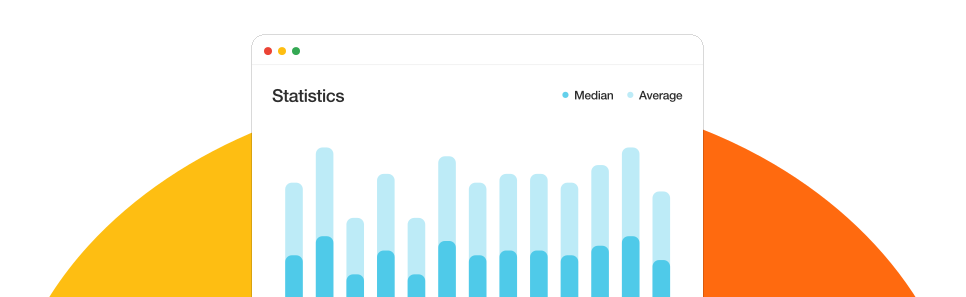
Website experience.
Campaign evidence can identify pages that need clearer messaging or a simpler inquiry route. Production work is agreed separately.
 Call
Paid MediaGoogle Ads
Reach people searching for the professional services your firm provides. Growth Friday connects keyword strategy, clear ads and focused landing pages within one coordinated growth plan, with experienced specialists guiding campaign decisions and reviewing the quality of the response.
A campaign brings inquiries from people seeking a service your firm does not offer. Counting every form as a success would hide the problem. Here is an illustrative decision workflow, with no client results or savings implied.
Review the actual searches behind the response, including ambiguous terms and geographic fit
Compare the ad and landing page with the services and clients you want to attract
Consider exclusions, tighter messaging or a page change, then review subsequent inquiry feedback
Google Ads can suit a firm with a clear service, a market it can serve and a team able to respond to inquiries, with targeting shaped by the work the firm wants. Client fit changes the brief.
Your offer and website need to give buyers enough clarity to act before you pay for more visits, while a longer-term search and content program may address questions an ad cannot settle. That work can run together.
We agree the priorities, outputs and responsibilities in your scope before delivery. The activities below explain the work we can plan together.
We research the searches behind a service, distinguish the needs they reveal and recommend a campaign structure that reflects the work you can accept, including its geographic limits. Fit comes first.
We draft ads that explain why a service is relevant to the person searching, then put professional claims and qualifications through your agreed review process before they are used.
An apparently irrelevant search term can have a useful context, so we review the available query evidence before recommending exclusions for unsuitable services or intent. Broad exclusions need care.
We assess whether the destination page follows through on the ad, explains the service and provides credible evidence, then recommend changes to the inquiry journey where needed. Production has its own scope.
We agree which actions count as inquiries, check the tracking available and ask your team how suitable the responses are, so campaign decisions have more context than a platform conversion count.
Media spend pays for advertising on Google. Management fees cover agreed agency work. Your proposal should identify those costs separately, along with any landing-page production or tracking work.
A sensible budget depends on the service, search demand, competition, geography, account history and your capacity to handle inquiries. We assess those inputs with you before recommending a starting scope. We discuss a budget that fits those constraints during scoping.
Each stage has a decision to make and a clear contribution from both teams. Timing follows the agreed work and its dependencies.
We: Review the service, search opportunity and existing account evidence
You: Explain client fit, exclusions, capacity and the markets you can serve
We: Propose campaign priorities, measurement and landing-page recommendations
You: Provide authorized account access and approve scope, budget and professional claims
We: Build the agreed campaigns and check ad, page and tracking alignment
You: Review messaging and resolve website or account dependencies before launch
We: Review spend, query evidence and recorded inquiry actions to recommend changes
You: Share reliable suitability feedback without sending confidential matter details into analytics
Within Growth 360, our integrated AI marketing brain supports query research and analysis. Specialists review the evidence, make campaign decisions and coordinate the agreed work with your website and content priorities.
Campaign evidence can identify pages that need clearer messaging or a simpler inquiry route. Production work is agreed separately.
Useful search questions can inform broader service content. Paid and organic results are reviewed as separate channels.
Expert explanations and credible proof help buyers evaluate the service after clicking an ad.
We review spend, available search terms, clicks, tracked inquiry actions and cost per recorded inquiry together to decide whether targeting, messaging or the page needs attention. Your inquiry feedback helps explain those signals.
A form submission can still be unsuitable. Qualified inquiries, signed clients and revenue depend on reliable follow-up or CRM information from your team. Platform attribution and incomplete tracking can also limit what we can conclude.
Your services, geography, competition, account history and response capacity all matter. We review those inputs before recommending a scope because click estimates alone cannot say how many suitable inquiries or clients you will receive.
Media spend and management work are separate cost categories. The proposal confirms how each is handled, plus any agreed production or setup work. The agreed scope identifies the activities and costs for your engagement.
Yes, with appropriate authorized access. We review the account history, billing, measurement and existing campaigns together before recommending changes or a rebuild for you to agree.
Possibly. We assess whether the existing page explains the advertised service and makes an inquiry straightforward. A recommendation to improve a page does not include writing, design or development unless the scope says so.
We compare available search and campaign evidence with your team's feedback on service, geographic and client fit. Clear qualification criteria help. Confidential case details and personal inquiry information should stay out of analytics.
The agreed scope and budget, authorized account access, approved messaging, a suitable destination page and the required measurement setup. We review those dependencies before setting a launch plan, without promising a fixed turnaround.
Only with reliable follow-up or CRM evidence. Clicks and form submissions cannot establish a retained client or revenue, so we agree what the available tracking can support and explain its attribution limits.
Paid search and SEO can share buyer questions and landing-page learning while retaining their different costs and evidence. Growth 360 coordinates those priorities and keeps paid and organic performance distinct.
Your services, review responsibilities and buying journey shape the brief.
A readiness decision, a campaign and landing-page brief and an enquiry-quality review plan
Trusted by firms that don’t believe in flings










Tell us which services and clients you want to attract. The inquiry form gives our team context for a discovery conversation about fit, priorities and next steps.