Our dental marketing blog.
Observations, commentary, and editorial on everything dental marketing, from the Growth Friday team. From tips and advice, the latest trends, AI, and how this is affecting marketing, we have you and your practice covered!

February 2026 campaign updates, what is changing and why.
We are making a set of improvements to how we manage SEO and local visibility campaigns, and how we report progress back to you.
Instead of sending a long email thread, we wanted to publish one clear reference you can bookmark and share internally.
If you have questions after reading, reply to your most recent Growth Friday email and we will walk through what applies to your specific account.
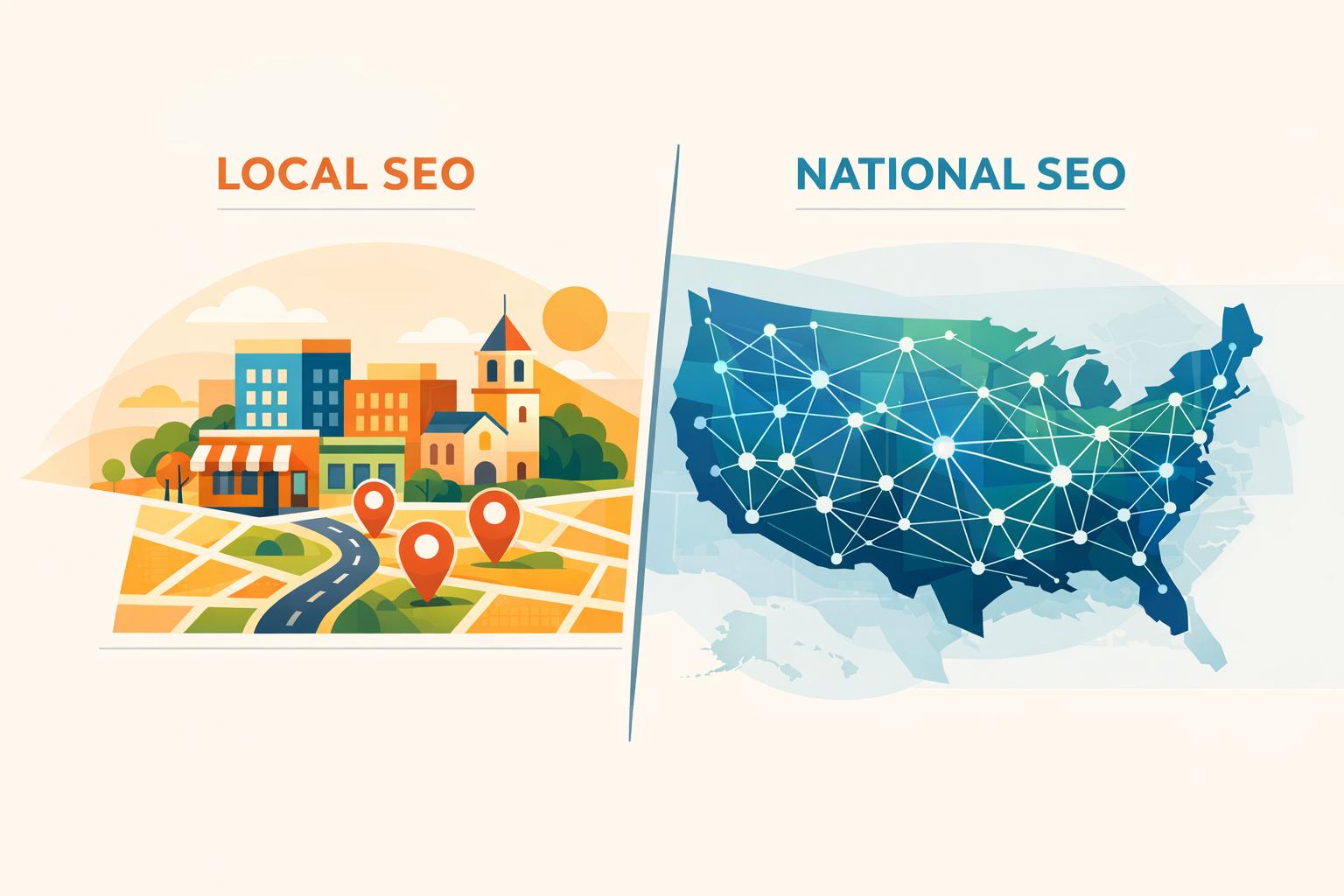
Search is changing, and visibility now happens in more places.
Search is no longer a single list of ten blue links.
Today, potential customers may discover you through traditional search results (E.g. Google), map results, and AI assisted answers that summarize options before someone ever clicks a website.
That shift does not make fundamentals like trust, clarity, and authority less important. It makes them more important.
Our job is to make sure your firm shows up consistently, and credibly, wherever your buyers are looking.

How this fits into Growth 360.
Growth 360 is our end to end marketing system that aligns multiple channels into one unified plan, so strategy, execution, and accountability compound over time.
This February update focuses mostly on the Organic Search pillar, including Local SEO, plus reporting improvements that make performance easier to understand.
In plain terms, you should expect two things:
- More consistent visibility work across traditional search, local search, and AI assisted discovery.
- Clearer updates on what we are doing, why we are doing it, and what we are seeing.
What is changing in February.
Here is the headline list of improvements we are rolling out.
- Improved AI visibility work, focused on blog content that supports your primary service and product pages.
- Expanded Google Business Profile management, including weekly updates, review link enhancements, and more consistent optimization.
- Summary emails every two weeks, plus a monthly summary with your report.
- Client Portal upgrades, including new AI Visibility reporting and conversion tracking across channels, including calls.
Now let’s break these down.
Update 1, improved AI visibility with service supporting content.
AI assisted search experiences pull from content that is structured, specific, and trustworthy. In many cases, the brands that get mentioned are the brands that explain their expertise clearly and consistently over time.
In February, we are increasing our focus on content that supports your core money making pages.
What we are doing.
Depending on your campaign, this may include.
- Publishing blog content designed to reinforce your core services and the problems you solve.
- Strengthening internal links between blog posts and your service pages so search engines understand relevance.
- Refreshing existing pages so the most important content stays current.
- Improving page structure so your expertise is easier to parse and surface in AI assisted experiences.
- Continuing technical improvements that protect crawlability, speed, and indexing.
What you should see.
Over time, you should see a few practical changes.
- Blog topics that map more directly to services you want to sell.
- Cleaner site structure that helps both people and search engines navigate.
- More consistent alignment between what you do, what you publish, and what you want to rank for.
A quick note on expectations. AI visibility is still evolving, and results vary by industry and competition. Our goal is to build durable authority that supports both rankings and real inquiries.
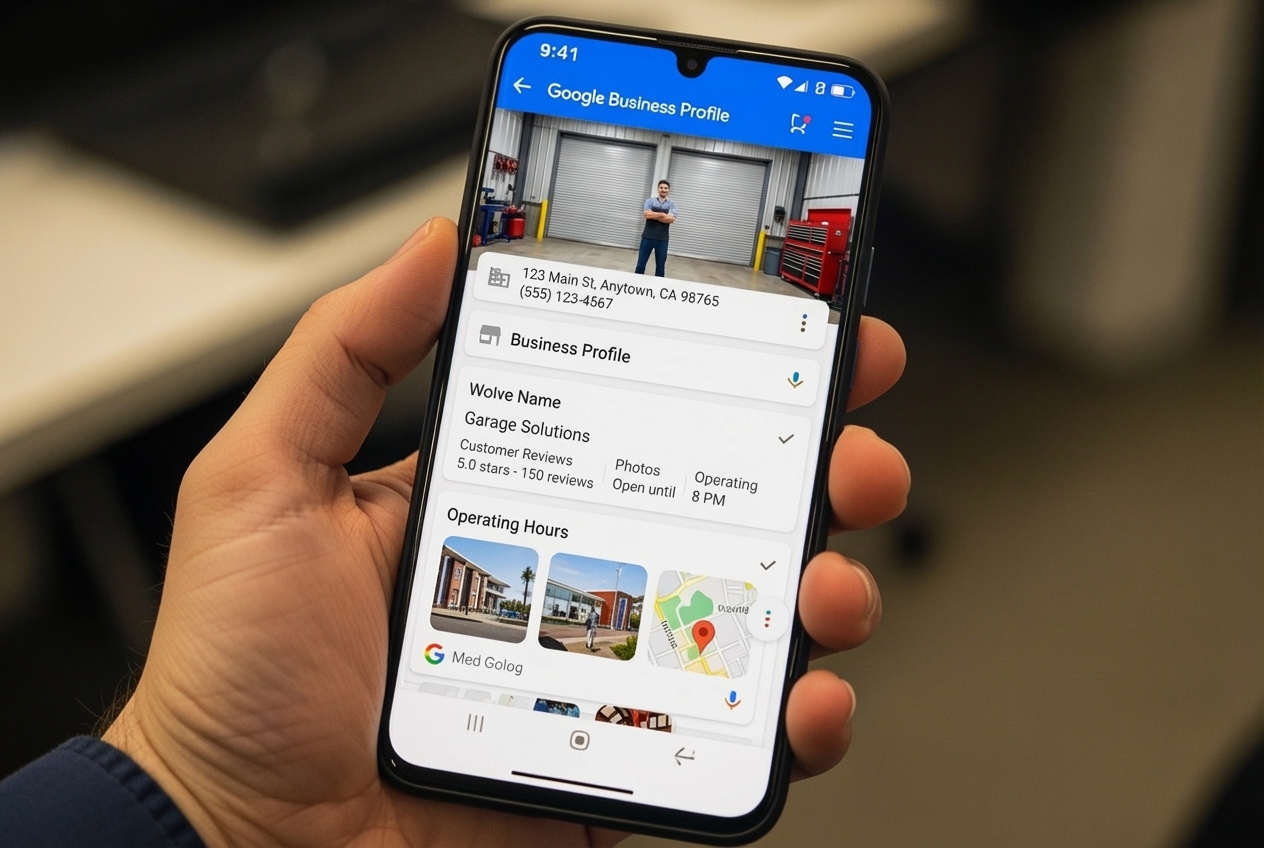
Update 2, expanded Google Business Profile enhancements.
For many professional service firms, Google Business Profile is one of the highest leverage digital assets you own. It influences map visibility, branded searches, and how confident a potential customer feels when deciding who to call.

In February, we are upgrading our Google Business Profile workflow so it is more consistent, more active, and easier to measure.
What is included.
Here are the improvements you can expect as part of our expanded management process.
- Weekly Google Business Profile optimization audits.
- More consistent posting cadence that keeps your profile active and relevant.
- Improved photo and media workflows to strengthen trust and engagement.
- Enhanced review links you can share with customers to make review requests easier.
- Stronger coordination between your Google Business Profile activity and your social channels, where relevant.
- Ongoing optimization checks so your profile stays aligned with what you offer.
If your campaign includes social publishing, some Google Business Profile content may also be repurposed to platforms like Facebook, Instagram, and LinkedIn to create consistent signals across the web.
What we may need from you.
To get the best results from local visibility work, we may occasionally ask for.
- A few real photos each month, team, office, projects, or behind the scenes.
- Confirmation of your priority service lines for the month.
- Any updates to hours, service areas, phone numbers, or business descriptions.
If you are in a regulated industry or have specific compliance requirements, tell us what needs to be reviewed before publishing, and we will follow that process.
Update 3, clearer reporting cadence.
We want you to feel informed without feeling buried in dashboards.
Starting in February, you will receive.
- A short summary email every two weeks.
- A monthly report summary that ties actions to outcomes and next priorities.
What the every two week summary includes.
Each summary is designed to be skimmed in under three minutes.
- What we completed.
- What we are working on next.
- What we are seeing in performance indicators.
- Any questions or approvals we need from you.
Update 4, Client Portal upgrades and better conversion tracking.
We are also improving how performance is tracked and presented in the Client Portal.
AI Visibility reporting.
You will see a new AI Visibility section that helps answer questions like.
- Are we surfacing for the topics that matter to our business.
- Which themes are gaining traction.
- Where we need stronger supporting content to earn visibility.
This is meant to be practical and directional, not hype.

Conversion tracking across channels, including calls.
In addition to visibility metrics, we are improving conversion tracking so you can better connect marketing effort to real outcomes.
Depending on your setup, this can include.
- Form submissions.
- Call tracking and call conversions.
- Key actions like bookings or contact clicks, when configured.
If anything in your tracking setup needs to be updated to support these improvements, we will let you know.
Timeline for February.
Here is how this typically rolls out through the month.
Week 1.
- Confirm priorities and any new messaging focus.
- Begin Google Business Profile workflow enhancements.
- Start publishing and updating content based on the February content plan.
Week 2.
- Continue content production and on page improvements.
- Implement reporting cadence changes.
- Begin surfacing AI Visibility reporting in the Client Portal.
Weeks 3 and 4.
- Iterate based on early signals and engagement.
- Continue weekly local activity.
- Deliver the first every two week summary update, then continue on cadence.
Common questions.
Do I need to do anything right now.
Not necessarily. If we need access, approvals, or assets, we will ask directly and keep it simple. If you want to be proactive, the most helpful thing you can do is tell us which service line you want to prioritize in February.
Does this change my scope or pricing.
These are improvements to how we deliver and report. If anything affects your specific scope, we will communicate it directly and clearly.
How will you measure AI visibility.
We track a mix of indicators that show whether your brand and expertise are becoming more discoverable in AI assisted experiences, then tie that back to traditional SEO performance and conversions where possible.
Will weekly Google Business Profile updates replace website SEO.
No. Your website remains the foundation of authority and conversion. Local activity strengthens trust and local relevance, but it works best when paired with strong on site content and technical SEO.
When should I expect results.
Marketing results are never instant, and they vary by competition, industry, and starting point. The goal of these improvements is to increase consistency, visibility, and measurability so momentum compounds over time.
What to do next.
If you want us to prioritize a specific service, location, or offer in February, reply to your latest Growth Friday email and tell us what to focus on.
If you just want to stay in the loop, keep an eye out for the every two week summaries and the updated Client Portal reporting.
Thank you for trusting Growth Friday. We are excited about these improvements, and we are here if you want to talk through them.
Recent blog posts

Websites for Dentist: How to Build a High-Converting Dental Website in 2026
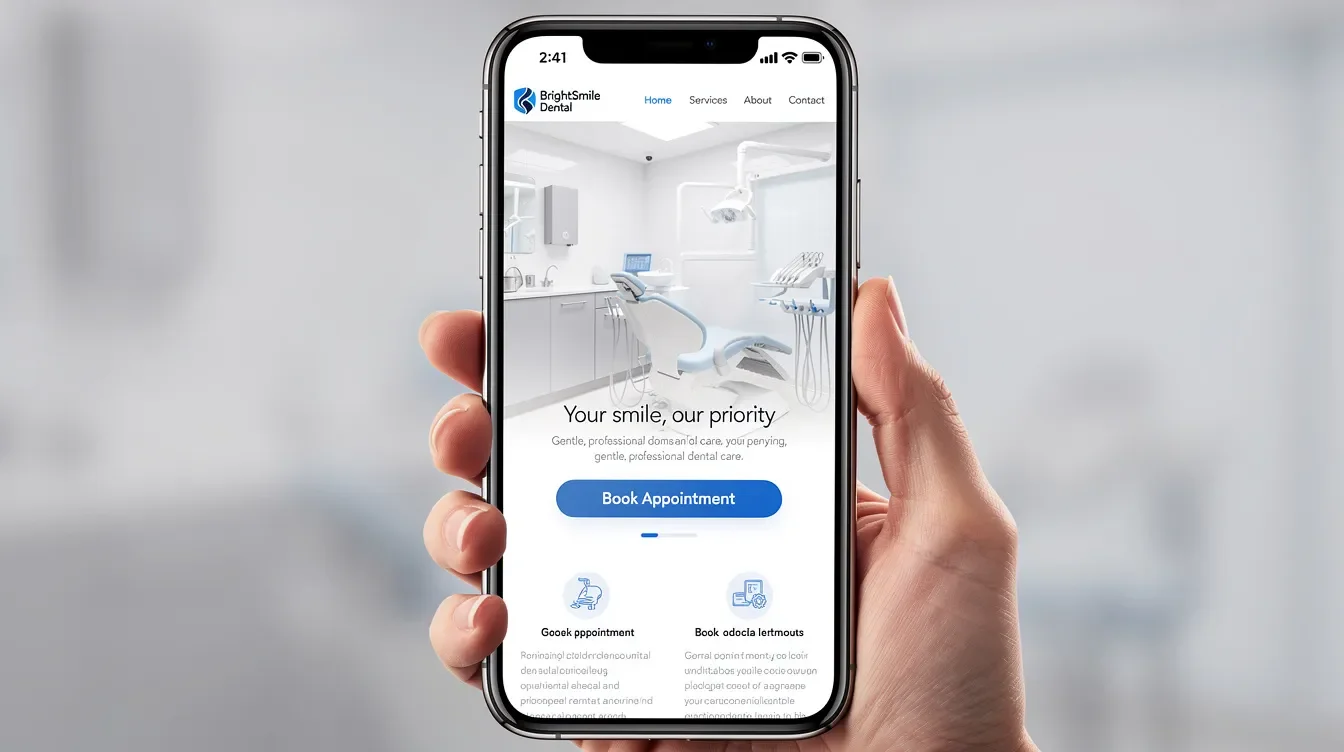
If your dental website still looks and feels like it did a few years ago, you are probably leaving new patient appointments on the table. In 2026, patients expect their online experience with your practice to feel as polished, convenient, and trustworthy as the care they receive in the chair.
A high converting dental website does more than list services. It builds trust in seconds, answers key questions before someone calls, and makes it incredibly simple to book an appointment.
In this guide, you will learn how to design and structure websites for dentist practices that actually convert, so your site becomes one of your best performing marketing assets.

Start with clear goals for your dental website.
Before you tweak colors or swap hero images, get specific about what you want your website to do.
For most practices, primary goals look like this:
- Generate more new patient appointment requests
- Increase calls from high value patients and cases
- Strengthen trust and reputation in your local market
- Make it easier for existing patients to get what they need online
Once you know your goals, you can design every section of the site to support them. For example, if new patient bookings are priority number one, your navigation, hero section, and calls to action should all make it obvious how to schedule.
Build a home page that earns trust quickly.
Your home page is often the first impression patients get of your practice. The best dental websites make visitors feel three things within a few seconds: this practice is professional, this practice is safe, and this practice is right for me.
A high converting dental home page typically includes:
- Clear value statement above the fold that speaks to patients, not just services
- Prominent call to action such as "Book appointment" or "Call our office"
- Friendly, professional imagery of real people and real spaces where possible
- Quick proof points, such as years in practice, locations, or specialties
- Social proof, such as reviews, ratings, or logos from reputable organizations
Focus your copy on outcomes patients care about. Instead of leading with "Comprehensive dental services," speak to benefits such as "Comfort focused dentistry that fits your schedule" or "Modern dental care that keeps your family smiling with confidence."
Make booking and contact options effortless.
Complicated contact flows kill conversions on websites for dentistry. If someone has to click through multiple pages or hunt for your phone number, many will simply move on to another practice.
Make it easy to take action by:
- Placing a clear primary call to action in the top navigation
- Repeating that same call to action in the hero section and throughout the page
- Displaying your phone number and office hours in an obvious, readable format
- Offering an online booking or request form that is short and mobile friendly
- Adding a simple contact form for general inquiries
If you offer online scheduling, keep the number of required fields to a minimum. Ask only for what your team truly needs to follow up and confirm.
Use design choices that support patient comfort.
The best dental websites feel calm, clean, and easy to navigate. Your design should reduce anxiety, not add to it.
Helpful design principles for dental practices include:
- Clean, uncluttered layouts with plenty of white space
- A limited, calming color palette rather than harsh or overly bright tones
- Readable typography with accessible font sizes
- Consistent button styles and link treatments across the site
- Visual hierarchy that draws the eye to the most important actions first
Whenever possible, use real photography of your team and office instead of generic stock images. Authentic visuals do more to build trust, especially in dentistry where comfort and safety matter.
Highlight social proof and expertise.
Patients want evidence that they are making a smart, safe choice. High performing websites for dentist practices weave trust signals throughout the experience.
Consider adding:
- Patient reviews and star ratings from Google or other platforms
- Short testimonial quotes near calls to action
- Trust badges, such as professional associations or local awards
- Before and after galleries for relevant procedures, where compliant
- A short "Why patients choose us" section that summarizes your differentiators
Make sure any claims are honest and verifiable. When you mention clinical expertise, back it up with qualifications, years of experience, or advanced training in specific procedures.

Structure service pages for humans and search engines.
Strong service pages help patients understand their options and help search engines understand what your practice offers. If you want to show up for terms like "best dental websites" or specific treatment searches, your content needs to be structured and comprehensive.
For each major service area, create a dedicated page that covers:
- A plain language explanation of the service
- Who the service is for and common concerns it addresses
- What patients can expect before, during, and after treatment
- Benefits, risks, and recovery timelines, written in accessible language
- Answers to frequently asked questions
Use clear headings, short paragraphs, and scannable bullet points so readers can find key information quickly.
Where it makes sense, you can also link to educational blog posts for patients who want to go deeper. For example, you might link from a services page to a more detailed guide in your blog that explains treatment options.
Optimize for local search in 2026.
Most dental practices rely heavily on patients within a specific geographic radius. That means local search visibility matters as much as, or more than, broad national rankings.
To support local SEO:
- Make sure your name, address, and phone number are consistent across your website and major directories
- Create dedicated location pages if you serve multiple cities or neighborhoods
- Embed a Google Map on your contact or location page
- Include localized keywords naturally in your headings and copy where they make sense
- Link to your Google Business Profile from your site so patients can easily see reviews and directions
You can also publish educational content tailored to your community. For example, write articles that answer common questions your front desk hears from local patients about insurance, payment options, or seasonal dental concerns.
For a deeper look at how digital marketing supports dental practices, you can review resources like the Growth Friday dentists page at Growth Friday dental marketing and related content on the Growth Friday blog.
Make performance, security, and accessibility non negotiable.
Even the best designed websites for dentistry will underperform if they load slowly or feel unreliable. Search engines take performance and user experience seriously, and so do prospective patients.
Focus on these technical fundamentals:
- Fast page load times on mobile and desktop
- Secure browsing with an up to date SSL certificate
- Simple, intuitive navigation that works well on phones and tablets
- Alt text for images so screen readers can describe what is on the page
- High contrast between text and background for readability
You can use free tools like Google PageSpeed Insights to spot performance issues, and reference organizations such as the American Dental Association or official accessibility resources for broader patient experience best practices.
Keep your website content accurate and up to date.
A neglected website sends the wrong signal about your practice. Outdated photos, old offers, or broken links can cause prospective patients to lose confidence.
Build a simple content maintenance routine where you:
- Review key pages at least once per quarter for accuracy
- Update provider bios when roles, qualifications, or photos change
- Remove expired promotions and ensure pricing references match your current policy
- Add new blog posts that answer common patient questions
- Check links and forms regularly to confirm everything still works
Assign clear ownership for these updates so they do not fall through the cracks.
Measure performance and keep improving.
The best dental websites are not one time projects. They are living assets that get refined over time based on data.
At a minimum, track:
- Total website traffic and traffic by channel, such as organic search and paid
- New patient appointment requests from your site
- Conversion rate on key pages, such as the home page and contact page
- Calls or form fills from mobile visitors
When you see a page with a lot of traffic but a low conversion rate, consider testing new headlines, images, or calls to action. Small improvements can translate into many more booked appointments over a year.
When to bring in a strategic partner.
If your team is already stretched thin, building and maintaining a high converting dental website can feel overwhelming. That is where a specialist partner can help.
A strategic digital marketing partner can:
- Audit your existing site and analytics
- Recommend a clear website and content roadmap
- Coordinate design, development, SEO, and ongoing optimization under one strategy
- Translate performance data into practical next steps for your team
If you want your website to do more of the heavy lifting for patient acquisition, now is the right time to evaluate where you are today and what needs to change.
Bringing it all together.
Websites for dentist practices in 2026 need to do three things exceptionally well. They must build trust quickly, make booking incredibly simple, and communicate your expertise in a way that feels human.
When you align design, copy, structure, and performance around those goals, your website becomes much more than a digital brochure. It becomes one of your most consistent, predictable sources of new patient growth.

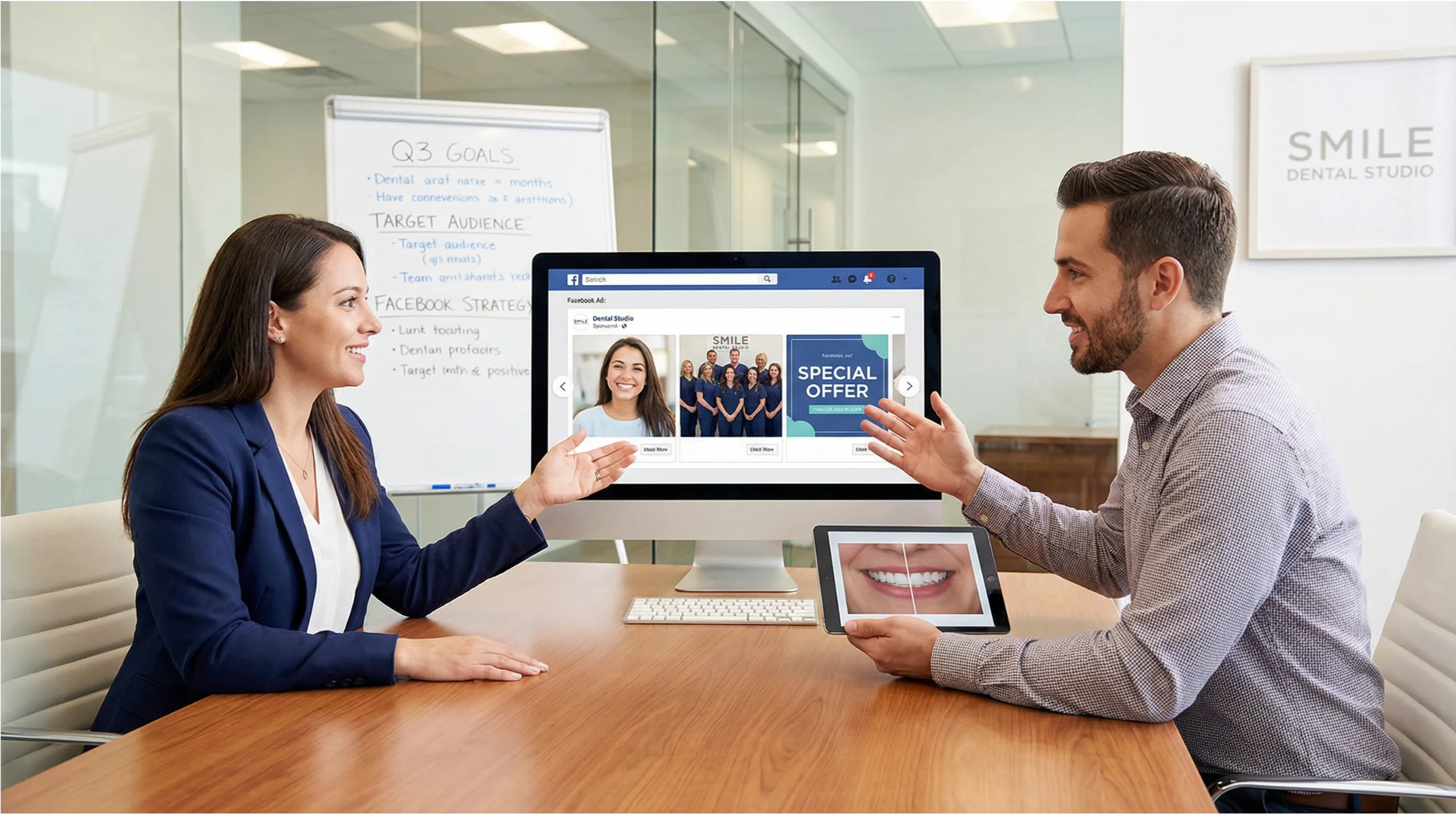
Social Media Marketing for Dentists: 2026 Playbook
In 2026, almost every patient you care about is scrolling somewhere. According to recent data from the Pew Research Center, about eighty four percent of United States adults use YouTube and seventy one percent use Facebook, with platforms like Instagram and TikTok also growing quickly among younger adults and women (Pew Research Center social media use 2025).
For dentists, this matters for three reasons.
- Your future patients often meet you online first
- Word of mouth now travels through feeds, stories, and direct messages
- Competitors in your area are already showing up in those same feeds
A thoughtful social media marketing program helps you do more than post occasional before and after photos. Done well, it becomes a system for attracting new patients, keeping your schedule full, and reinforcing trust with the people who already choose your practice.
This playbook walks through how to build a practical, measurable social media strategy for dental practices in 2026, even if you do not have a full time marketing team.

Set clear goals for your dental social media strategy.
Before you think about platforms or content, get specific about what social media should do for your practice. Clear goals turn social activity into a marketing channel you can measure.
Common goals for dental practices include.
- Increase brand awareness in your local area
- Drive more new patient inquiries and phone calls
- Reduce no shows by reinforcing upcoming visits
- Strengthen patient loyalty and referrals
- Educate patients so they accept more recommended treatment
Translate each goal into simple metrics. For example.
- Awareness
- Follower growth by platform
- Impressions and reach within your target geography
- New patient demand
- Clicks to your appointment booking page
- Number of calls or form fills that originate from social media
- Retention and loyalty
- Engagement rates from existing patients on educational content
- Number of reviews generated after social campaigns
You do not need to track everything on day one. Start with two or three metrics that align with your priorities for the next quarter.
Choose the right platforms for your dental practice.
You do not need to be everywhere. You need to be where your patients pay attention and where you can realistically show up consistently.
Facebook and YouTube.
Facebook and YouTube remain the broad reach workhorses. Roughly seventy one percent of United States adults use Facebook and eighty four percent use YouTube, with strong adoption across age groups (Pew Research Center social media use 2025).
For most general and family practices, Facebook and YouTube are foundational channels.
- Facebook works well for community updates, promotions, and patient stories
- YouTube is ideal for educational videos that answer common questions and reduce anxiety
Instagram.
Instagram is especially strong with adults under thirty and women, groups that often make or influence healthcare decisions (Pew Research Center social media use 2024).
Instagram can be a great fit if your practice offers cosmetic, orthodontic, or pediatric services where visuals matter.
- Use the feed for polished before and after examples that follow privacy rules
- Use stories for quick behind the scenes content and same day availability
- Use reels for short educational or myth busting videos
TikTok.
TikTok continues to grow, with more than one third of adults using the platform and even higher adoption among younger demographics (Pew Research Center social media use 2025).
If you serve a younger patient base or run a cosmetic focused practice, TikTok can be a powerful discovery channel. Short, entertaining videos that combine education with personality tend to perform best.
LinkedIn.
For practices that rely on professional referrals or target high income professionals, LinkedIn can complement your patient facing channels.
Use LinkedIn to.
- Share practice milestones and case studies that demonstrate expertise
- Build relationships with local specialists, medical providers, and employers
- Highlight your community involvement and continuing education
Start with one or two primary platforms. Once you have consistent systems in place, you can expand.
Build a content mix patients actually care about.
The fastest way to stall a social media program is to run out of ideas. Instead of improvising every week, define a content mix that balances education, trust building, and promotion.
Educational content.
Help patients understand their options and remove uncertainty.
- Short videos explaining common procedures such as fillings, crowns, or whitening
- Simple diagrams that show the difference between implants, bridges, and dentures
- Posts that answer frequently asked questions about insurance, payment plans, and timing
- Seasonal reminders about benefits expiring or back to school checkups
Trust building and human stories.
Show that there are real people behind the practice.
- Introductions to dentists, hygienists, and front office team members
- Behind the scenes views of new equipment or safety protocols
- Patient testimonials shared with written consent
- Spotlights on community events or charities you support
Promotions and offers.
Promotional posts should support your business goals without overwhelming the feed.
- Limited time whitening or cosmetic bundles
- New patient specials for specific appointment types
- Referral programs that reward existing patients ethically
Keep promotional content to a reasonable percentage of your total posts so your channels feel helpful, not pushy.

Create a posting cadence you can stick with.
Inconsistent posting is one of the biggest reasons social media efforts underperform. In 2026, quality still beats volume, but you do need a predictable cadence.
For most dental practices, a realistic starting point looks like this.
- Facebook
- Three posts per week
- Instagram
- Three posts per week across feed and stories
- TikTok or YouTube shorts
- One or two videos per week
Batch work wherever possible.
- Block one hour each week to plan the following week’s posts
- Record several short videos in one session instead of one at a time
- Repurpose content across platforms with minor tweaks to format and caption
If you work with an agency or internal coordinator, have them maintain a simple shared calendar so everyone sees what is planned and what has already gone live.
Engage with patients and your community consistently.
Posting is only half of social media marketing. The other half is how you respond to patients and show up in your community.
Responding well to comments and direct messages helps you.
- Reduce phone volume for simple questions
- Catch and address small concerns before they become negative reviews
- Reinforce that your team is friendly, responsive, and easy to work with
Set simple engagement standards.
- Reply to most comments within one business day
- Answer direct messages from patients with clear, simple next steps
- Move detailed clinical questions to a phone call or appointment rather than diagnosing in public
You can also proactively engage.
- Congratulate local businesses and schools on their news
- Comment on community events and share relevant posts
- Build relationships with local influencers or community leaders where appropriate
Always follow your local regulations and professional guidelines. When in doubt, keep clinical details out of public comments and focus on general education and encouragement.
Run compliant social media ads for dentists.
Organic content builds awareness and trust over time. Paid social campaigns let you reach the right people faster when you want to promote specific services.
When building paid campaigns for dental practices.
- Define one clear objective for each campaign, such as new patient bookings or cosmetic consultation requests
- Narrow your audience by geography first, then by age and interests
- Align ad creative and landing pages so the message stays consistent
- Use simple, benefit focused language that avoids unrealistic promises
Work with your compliance or legal advisor to ensure that all claims are accurate and that before and after photos are used with explicit written consent.
If you partner with a marketing agency, they should also help you track which campaigns generate qualified inquiries and which need to be paused or revised.
Measure results and refine your 2026 playbook.
A social media playbook is only as strong as the feedback loop that improves it.
At least once per month, review performance across your key platforms.
- Top performing posts by reach and engagement
- Click through rates to your website or booking pages
- Cost per lead and cost per new patient from paid campaigns
- Common questions or themes that show up in comments and messages
Use these insights to adjust.
- Create more content around topics that consistently perform well
- Retire content formats that never gain traction
- Shift budget toward campaigns that deliver quality new patient opportunities
Connect your social data to practice level outcomes where possible. For example, track how many new patients mention seeing you on Instagram or Facebook when they schedule.
Connect social media to the rest of your marketing.
Social media works best when it supports a broader digital marketing strategy rather than operating in isolation.
Look for simple ways to connect the dots.
- Align your social content calendar with email campaigns and blog posts
- Link from social posts to helpful resources on your website, not just your home page
- Encourage new patients to follow your primary social channels in your welcome materials
When you mention other services, such as cosmetic dentistry, clear aligners, or dental implants, link back to your main dental marketing services page so patients can easily learn more.
If you maintain separate location pages, you can also create geo specific campaigns that drive traffic to those pages and reinforce your presence in each community.
How to get started with social media marketing for dentists.
If your current social presence feels inconsistent or ad hoc, you do not need to redesign everything at once. Start with a simple, ninety day plan.
- Choose one or two core platforms based on your patients and services
- Define two or three goals you want social media to support
- Build a basic content mix that balances education, human stories, and promotion
- Set a posting cadence you can maintain with the resources you actually have
- Block time each month to review performance and decide what to adjust
If you want a partner that understands both professional service firms and the realities of running a busy dental practice, Growth Friday can help you turn social media into a predictable, measurable driver of growth. Get in touch with our team today and book your practice discovery call.

Orthodontic marketing: a 2026 playbook for predictable new patient growth.
Orthodontic demand has not disappeared, but the way patients choose a provider has changed. Prospective patients now research online, read reviews, compare financing options, and scrutinize your case results before they ever call your front desk.
If your marketing is sporadic, based on word of mouth alone, or focused only on discounts, you will struggle to create predictable new patient growth. The goal for 2026 is simple. Build a marketing engine that consistently turns strangers into scheduled consults, month after month, without burning out your team.
This playbook walks through the essential pieces of that engine, so you can move from reactive marketing to a predictable growth plan.
Define what predictable new patient growth means for your practice.
“Predictable” looks different for every orthodontic office. Before you choose tactics, you need to define the numbers that matter.
Start with a simple planning exercise.
- Decide how many new patient starts you want per month
- Work backward to estimate the number of consults you need
- Use your current consult to start conversion rate to fill in the gap
- Identify seasonality patterns that affect your volume
- Set a realistic growth goal for the next 12 months
From there, you can map how many leads you need from your website, Google Business Profile, social channels, referrals, and paid campaigns to hit those numbers. That is the foundation for a marketing plan that you can actually manage and measure.
Build a differentiated orthodontic brand in your market.
Most orthodontic websites and ads look and sound the same. Smiling families, generic headlines, and vague promises about confidence. To stand out, you need a brand that is specific and memorable.
Clarify three core elements.
- Who you serve best, for example, teens, adults, aligner focused, complex cases
- What makes your approach meaningfully different, for example, fewer visits, advanced technology, flexible financing
- Why patients should choose you now instead of waiting another six months
Then translate that brand position into your visible marketing.
- Use clear, specific headlines on your homepage and service pages
- Feature real case studies and before and after photos, not just stock imagery
- Highlight proof points, such as reviews, awards, and years of experience
A strong brand does not replace performance marketing. It makes every click, impression, and conversation more effective because prospects already understand why you are the right fit.
Design a website that converts visitors into consults.
Your website is your primary sales asset. It should be built to do one job very well, move qualified visitors to schedule a consultation.

Focus on conversion first.
- Make your primary call to action obvious on every page, for example, “Schedule a free consultation”
- Offer multiple ways to engage, such as online booking, virtual consults, and call buttons
- Reduce friction in your forms by asking only for the information you truly need
Then support those calls to action with the content patients actually care about.
- Treatment options explained in plain language
- Pricing, financing, and insurance information that reduces anxiety
- Before and after results organized by concern and treatment type
- Reviews and testimonials from patients who look like your ideal audience
Finally, ensure the technical foundation is sound.
- Fast page load on mobile and desktop
- Simple navigation that makes it easy to find treatments, locations, and contact details
- Clear schema markup and tracking so you can measure what works
If you do not have in house marketing support, partnering with a specialist agency like Growth Friday can accelerate the website design process so you are not rebuilding your site every year.
Make search work for you (SEO, Local SEO, and reviews).
When someone searches “orthodontist near me” or “Invisalign for adults in your city”, you want to appear in both the map pack and the organic results. That requires a coordinated approach to SEO, Local SEO, and reputation.

Start with your Google Business Profile.
- Use a consistent business name, address, and phone number across directories
- Choose accurate categories and subcategories for orthodontic services
- Add high quality photos of your team, office, and results
- Publish short posts about promotions, seasonal campaigns, or educational tips
Then build a focused Local SEO strategy.
- Create location specific pages for each office you operate
- Optimize title tags and meta descriptions for local intent keywords
- Include local signals such as landmarks, neighborhoods, and nearby schools
Finally, treat reviews as a core marketing channel, not an afterthought.
- Implement a repeatable review request process after key milestones
- Make it easy for patients to leave reviews with direct links in text and email
- Respond to reviews quickly and professionally, especially negative feedback
For deeper best practices and patient education resources, you can reference organizations such as the American Association of Orthodontists and the American Dental Association.
Turn social media into a steady pipeline, not a vanity metric.
Social media can absolutely drive new patient growth, but not if you treat it as a highlight reel with no strategy.

Start by clarifying your goals.
- Grow awareness in your local community
- Build trust by showing real patients and real outcomes
- Drive traffic to specific landing pages or offers
Then choose the right platforms and formats.
- Focus on one or two primary platforms where your audience already spends time
- Mix educational posts, behind the scenes content, and patient stories
- Use short form video to explain treatments, answer common questions, and bust myths
Close the loop so social activity supports your funnel.
- Add clear calls to action in captions and stories
- Link to dedicated landing pages instead of your generic homepage
- Retarget visitors who engaged with your content but did not yet book
Consistent, thoughtful social content keeps your practice top of mind so that when someone is finally ready to move forward, your name is the obvious first choice.
Use paid media to fill strategic gaps, not to paper over weak strategy.
Paid media campaigns can be a powerful tool for filling specific gaps in your pipeline. They are not a replacement for weak messaging, a slow website, or poor patient experience.
Decide where paid fits.
- Use search ads to capture high intent searches your organic presence has not fully captured yet
- Use social ads to reach defined audiences with compelling offers or content
- Use retargeting ads to stay in front of visitors who showed interest but did not convert
Treat every campaign like an experiment.
- Start with one or two clear offers, such as free consultation or limited time pricing
- Test variations of headlines, images, and landing pages
- Monitor cost per lead and cost per start, not just clicks or impressions
Over time, your goal is to build a mix of organic and paid channels that work together, so losing any single channel would be inconvenient, not catastrophic.
Measure what matters so you can forecast with confidence.
Without consistent tracking, “predictable growth” is just a phrase. You need data that connects your marketing channels to booked consults and treatment starts.
Start with a basic measurement framework.
- Track calls, form submissions, and online bookings by source
- Ask every new patient how they heard about you and record responses in your practice management system
- Review performance at least monthly with simple dashboards
Then refine your metrics as you mature.
- Compare lifetime value by channel so you know which campaigns attract your best patients
- Measure time from first touch to consult and from consult to start
- Use this data to set more accurate quarterly and annual growth targets
When you treat measurement as a habit, not a one time project, forecasting patient growth becomes far less stressful. You will know which levers to pull when you want to grow faster or protect your margins.
Next steps for your 2026 orthodontic marketing plan.
If your current marketing approach feels reactive, you do not need to overhaul everything overnight. Start by clarifying your numbers, tightening your brand positioning, and turning your website into a true conversion asset.
From there, add one improvement at a time. Strengthen your Google Business Profile and review collection process, build out location specific content, then layer in social and paid campaigns that align with your goals.
If you want a partner to help you prioritize, execute, and measure all of this, consider working with the Growth Friday team that understands orthodontics. An experienced partner can help you avoid common mistakes, shorten your learning curve, and build a 2026 marketing engine that delivers the predictable new patient growth your practice deserves.

Online marketing for dental practices.
Online marketing for dental practices is not about chasing every new channel. It is about building a simple, reliable system that brings the right patients to your chairs, month after month.
In 2026, that means connecting your website, local search presence, content, paid campaigns, and in practice experience into one growth engine. The goal is not just more enquiries, it is more of the right enquiries at a cost that makes sense for your practice.
This article walks through the core pieces of that system and how to put them to work for your practice.

Start with business development, not just more clicks.
Many practices jump into online marketing by buying ads or hiring an agency before they are clear on what growth should look like. That usually leads to noise, not predictable new patient flow.
Before you touch your website or set up a campaign, get specific about three things.
- New patient goals
- Ideal patients and case types
- Basic marketing math
Set clear growth targets.
Move from vague goals like “we need more new patients” to something you can plan around, for example:
- We want thirty five new patients per month
- At least ten of those should be high value cases such as implants, clear aligners, cosmetic work, or full mouth reconstruction
- We want to keep the schedule full for existing hygiene and recall patients
Your exact numbers will differ, but you need a target so marketing can be judged on results, not feelings.
Define your ideal patients.
Demographics matter, but motivation and intent matter more.
Ask questions like:
- Which patients are a good clinical fit and a good financial fit
- Which procedures you want to do more of and which you would be happy to do less of
- Whether you are focused on net new households or deeper relationships with existing patients
When you can describe your ideal patient in a few sentences, it becomes much easier to design ads, landing pages, and offers that attract those people.
Do the simple math.
You do not need a complicated spreadsheet to make better decisions.
Estimate:
- First year value of a typical new patient
- Lifetime value of a patient in your ideal case types
- A reasonable cost per lead and cost per new patient
For many practices, a single high value case can cover an entire month of marketing. Seeing the numbers clearly helps you invest confidently instead of hesitating every time you see an invoice.
Make your website a conversion engine.
Almost every serious patient will touch your website before they book, even if they first see you on Google Maps, social media, or a referral email.
A modern dental website in 2026 should do three jobs very well.
- Make it obvious who you help, what you do, and why patients choose you
- Make it effortless for people to contact you or book
- Build enough trust that patients feel comfortable choosing you over the clinic down the street
Clarify your positioning.
Above the fold on your home page and key service pages, a visitor should be able to answer:
- Is this practice for people like me
- Do they offer the treatments I care about
- Do they look trustworthy and professional
Short, specific copy beats vague claims. For example, “Family and cosmetic dentistry for busy professionals in Pasadena” is much more useful than “High quality dental care for everyone.”
Fix the basics of user experience.
A conversion focused site will:
- Load quickly on mobile and desktop
- Keep navigation simple and logical
- Use clear calls to action such as “Call now”, “Request an appointment”, or “Schedule online”
- Reduce friction in forms by only asking for the information you truly need
If the site feels slow, cluttered, or confusing, you are losing a meaningful percentage of the leads you already paid to generate.
Build strong service and location pages.
Patients do not search for generic dentistry, they search for specific needs in specific places. Create pages that match how they think and search, such as:
- “Dental implants in Pasadena”
- “Clear aligners in Brentwood”
- “Emergency dentist in Santa Monica”
Each page should clearly explain who the treatment is for, what the process looks like, what to expect, pricing or financing basics, and what makes your approach different. This is also where you can later add internal links to deeper content and case studies.

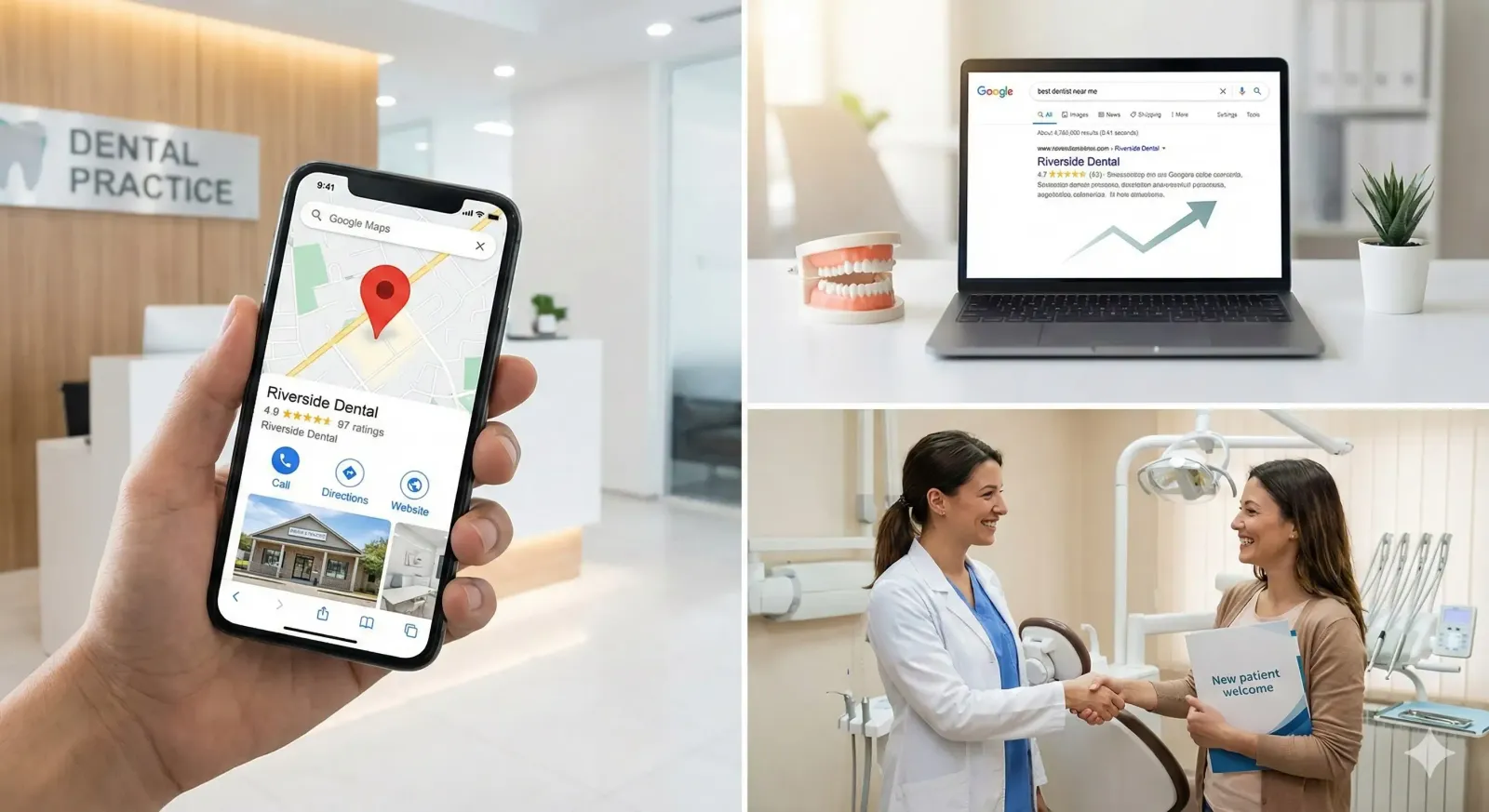
Own local search and your Google Business Profile.
For most practices, local search is still the highest intent, lowest friction way to get new patients. When someone types “dentist near me” or “emergency dentist in Pasadena”, they are not browsing, they are shopping.
Two assets drive almost all of that behaviour.
- Your Google Business Profile
- Your local SEO footprint
Tighten up your Google Business Profile.
Make sure each location has a fully completed and verified profile.
- Use accurate names, addresses, phone numbers, and hours
- Choose specific categories that match your real services
- Add high quality photos of your team, reception, treatment rooms, and exterior
- Publish short posts about offers, new services, or educational tips
- Ask patients for honest reviews and respond to them with empathy and professionalism
Strengthen your local SEO.
Beyond your profile, local visibility depends on how well your site matches local intent.
- Build out location pages for the suburbs or cities you really want to serve
- Make sure your name, address, and phone details are consistent wherever they appear online
- Use internal links from relevant blogs and service pages to your priority locations, for example linking “Brentwood SEO guide” style content back to your Brentwood and Santa Monica pages
Over time, this makes it easier for search engines to understand where you are, who you help, and which pages deserve to rank.
Build trust with educational content.
Online marketing for dental practices is not only about being visible. It is about being the practice patients feel comfortable choosing once they find you.
Educational content helps you:
- Explain treatments in plain language
- Answer the questions that keep patients from booking
- Position your doctors as trusted experts, not just another clinic in a list
High leverage content types include:
- In depth service pages with photos and before and after examples (where appropriate and compliant)
- Blog posts that answer very specific questions patients ask before they call
- Short videos that introduce the doctor, walk through the practice, or explain what to expect
For example, you might write articles such as:
- “How much do dental implants really cost in your city”
- “What to expect at your first visit to a new dentist”
- “Clear aligners versus traditional braces, what is right for you”
Use paid media to target the right cases.
Organic search and referrals are powerful, but they can take time to ramp up. Paid media lets you dial up volume or focus on particular procedures more quickly.
The most common options for dentists are:
- Google Ads for high intent searches
- Meta Ads on Facebook and Instagram for education, offers, and retargeting
Start with focused Google Ads campaigns.
Rather than bidding on every possible term, build tight campaigns around specific intents such as:
- “Emergency dentist near me”
- “Dental implants in Pasadena”
- “Invisalign dentist Brentwood”
Send those clicks to landing pages that match the query and make it easy to call or book. If you have a deeper article on paid ads for dentists, you can link to it from this section to support readers who want more detail.
Use social ads to stay in front of the right people.
Paid social is valuable for keeping your practice top of mind and educating people who may not be ready to book yet.
- Run simple educational campaigns around common fears or questions
- Promote patient stories and before and after transformations where compliant
- Retarget visitors who viewed high intent pages but did not book
The key is to think of paid media as one part of the system, not a last minute fix when the schedule is light.
Nurture and retain patients with email and SMS.
New patient leads are important, but so is getting more from the patients you already have. A modest retention and recall programme can significantly increase production without any new advertising.
Simple systems include:
- Recall reminders for overdue hygiene and check ups
- Reactivation campaigns for patients who have not been in for twelve to twenty four months
- Targeted messages for specific services such as whitening, aligners, or implants
- Pre and post treatment education that improves case acceptance and satisfaction
These can be automated through your practice management system or a dedicated communication platform. The goal is to make it effortless for patients to return and accept the care they need.
Turn great experiences into reviews and referrals.
In many markets, your online reviews are the first impression patients see. A small, structured effort here can dramatically improve both lead volume and conversion.
Make reviews part of the process.
- Train your team to ask for feedback at the right moment, usually after a positive visit
- Provide a simple way for patients to leave a review, such as a follow up text with a direct link
- Respond to reviews, both positive and negative, in a way that shows you listen and care
Encourage referrals without being pushy.
You can also gently let patients know that you welcome referrals.
- Mention that you are accepting new patients on your site, in emails, and in scripts
- Provide shareable links to your booking page or contact page
- Consider small, ethical thank you gestures that show appreciation without feeling transactional
A reputation and referral system amplifies every other channel. Each new patient becomes a potential advocate.
Track what matters and know when to bring in a partner.
Online marketing only becomes a real growth engine when you can see what is working and make improvements based on data, not gut feel.
At a minimum, track:
- New patients per month, and where they are coming from
- Leads per month, calls, forms, and online bookings, and how many convert to patients
- Cost per lead and cost per new patient for each major channel
- Performance of key service and location pages in search and on site
Review these numbers at least once a quarter with simple questions.
- What should we keep doing
- What should we stop doing
- What should we test next
If you find yourself with clear goals but no time, or you are spending on marketing without understanding what is working, that is usually the point where a specialist partner makes sense. A good dental marketing agency will treat your business development and lead generation as a single system, not disconnected campaigns, and will help you turn that system into predictable, high quality growth.

Business development lead generation for dental practices.
Dental practices have always relied on some mix of referrals, reputation, and location to grow. But in 2026, those informal business development habits are not enough on their own. Competition is up, patients are researching more deeply online, and corporate groups are investing heavily in marketing.
If you want consistent, high quality new patient flow, you need a clear business development and lead generation system—one that connects your website, local search, paid media, referrals, and in practice experience into a single, predictable engine.
This guide breaks down how to think about business development for dental practices, where lead generation fits, and the channels and systems that actually move the needle.
Business development vs dental lead generation, how they work together.
“Business development” and “lead generation” are often used interchangeably, but they are not the same thing.
- Lead generation is everything you do to spark interest and enquiries from potential patients
- Business development is the broader strategy for growing the practice: choosing the right patients, services, partners, and channels so growth is sustainable and profitable
For a dental practice in 2026, these ideas come together in a simple way:
- Business development sets who you want to attract, which services matter most, and how the practice will grow
- Lead generation provides the systematic pipeline of enquiries from those ideal patients
When you do one without the other, you get problems:
- Aggressive lead generation without a clear business development strategy often brings in the wrong patients at the wrong price point
- A thoughtful business plan without serious lead generation leaves you over dependent on referrals and walk ins
The goal is to align both. Decide what growth you actually want, then build a lead generation machine that supports that plan.

Start with the foundation, goals, ideal patients, and numbers.
Before you redo your website or launch a new campaign, get clear on a few fundamentals.
Clarify your growth goals.
Decide what “good growth” looks like over the next 12–36 months.
- How many new patients per month do you want, realistically
- Which services or case types matter most (for example implants, clear aligners, cosmetic, full mouth reconstruction, sedation, emergencies)
- How many chairs, providers, and clinical days you need to fill
Even rough targets are better than none. It is the difference between “we need more patients” and “we are aiming for 35 new patients per month, with at least 10 high value cases.”
Know your ideal patient and case mix.
Lead generation works best when you are specific about who you want to reach.
- Demographics are helpful, but motivation and intent matter more
- Consider insurance mix, tolerance for out of pocket fees, and preferred procedures
- Clarify whether you are focused on growth from existing patients (recall, reactivation, case acceptance) or net new households
The more clearly you can describe your ideal patient, the easier it is to build campaigns, content, and offers that resonate.
Do the basic math.
A simple numbers exercise will keep your marketing decisions grounded.
- Estimate first year value per new patient, and lifetime value for key case types
- Decide what you are willing to pay in cost per lead and cost per new patient
- Use that to set a realistic monthly marketing budget, instead of guessing
For many practices, a single high value case can more than cover a month of marketing spend. When you see the math clearly, you can invest with more confidence.
Digital channels that reliably generate dental leads.
With the foundation in place, you can choose channels that match how patients actually search and decide in 2026. Think in terms of a portfolio, not a single silver bullet.
Local SEO and Google Business Profile.
For most practices, local search is still the highest intent, lowest friction source of new patient leads.
Focus on two core assets:
- Your Google Business Profile (GBP)
- Your website’s local SEO footprint
Key actions for 2026:
- Fully complete and verify your Google Business Profile for each location
- Keep hours, services, phone, and categories accurate and specific
- Add high quality, authentic photos of your practice and team
- Encourage a steady flow of reviews and respond to them professionally
- Build dedicated service pages and location pages on your site that match how patients search (for example “dental implants in Pasadena” rather than just “implants”)
Local SEO is not just about rankings. It is about showing up with enough clarity and proof that patients feel comfortable choosing you.
Your website and conversion experience.
Even when leads start from search, ads, or social, the majority of serious patients visit your website before they book.
A lead generation focused dental site in 2026 should:
- Make it obvious who you help, what you do, and why patients choose you
- Put clear, visible calls to action above the fold on mobile and desktop (call now, schedule online, request an appointment)
- Answer the basic questions that block action: insurance, financing, what to expect, timeline, and social proof
- Load quickly and work smoothly on phones, not just on desktop monitors
If your site feels outdated, slow, or vague, you will lose many of the leads you already paid to attract.
Content and thought leadership.
Patients are researching more deeply before they book, especially for higher value or elective treatments.
Use content to:
- Explain procedures in plain language
- Address fears and objections (pain, downtime, cost, outcomes)
- Position doctors as trusted experts, not just another name in a directory
Effective content formats include:
- In depth service pages with visuals and before and after examples
- Educational blog posts that answer specific questions
- Short videos introducing the doctor, explaining a treatment, or walking through the practice
Content is not about posting for the sake of posting. It is about building enough trust that when someone is ready, your practice feels like the obvious choice.
Paid media for dentists.
Paid search and paid social give you the ability to turn up volume or target specific case types faster than organic channels alone.
Common options:
- Google Ads for high intent searches like “emergency dentist near me”, “Invisalign dentist in [city]”, or “dental implants cost”
- Meta Ads (Facebook and Instagram) for education, offers, and retargeting people who have visited your site
Paid campaigns work best when:
- You have a clear sense of acceptable cost per lead and cost per new patient
- Your landing pages and phone handling are ready to convert enquiries
- You treat paid media as part of a system, not a last minute fix when the schedule gets light
Email, SMS, and retention.
New leads are important, but so is getting more from the relationships you already have.
Simple retention systems can include:
- Recall and reactivation sequences for overdue patients
- Targeted messages to promote specific services to the right segment
- Pre and post treatment education to increase case acceptance and satisfaction
When your database is nurtured consistently, every new lead you generate is more likely to stay and accept recommended treatment.
Business development systems beyond marketing campaigns.
Digital channels are only part of the picture. Strong dental practices also build offline business development systems that reinforce lead generation.
Structured patient referral programs.
Word of mouth is powerful, but it should not be left to chance.
Make it easy and natural for happy patients to refer:
- Let them know you welcome referrals and explain the types of patients you are best suited for
- Provide simple, compliant ways to share your details or book online
- Consider small, ethical thank you gestures that show appreciation without feeling transactional
A good referral program amplifies all of your other marketing, because every new patient has the potential to bring others.
Professional partnerships and local networks.
Many of your best patients already trust other professionals: physicians, specialists, accountants, attorneys, or employers.
Business development in 2026 often means:
- Building relationships with specialists and general practitioners so complex cases and specific treatments flow both ways
- Partnering with local businesses, wellness providers, or employers to offer educational sessions or preferred arrangements
- Participating in targeted community events where your ideal patients actually spend time
These relationships take longer to build than launching an ad campaign, but they can produce high quality, long term patient streams.
Build a simple dental lead generation funnel.
You do not need a complex, multi tool funnel map to grow a dental practice. You do need a clear path from first touch to booked appointment.
A simple, practical funnel looks like this:
- Awareness. Prospects discover you through search, ads, referrals, social, or community activity
- Consideration. They visit your site, read reviews, and compare options
- Decision. They call, complete a form, or book online
- Onboarding. Your team greets them warmly, confirms fit, and schedules appropriately
- Retention and advocacy. You deliver a strong clinical and patient experience that leads to reviews and referrals
For each step, ask:
- What assets do we already have
- Where are people dropping off
- What is one improvement we can make this quarter
For example:
- Awareness: Improve your Google Business Profile and launch one focused campaign for a priority service
- Consideration: Update your website’s key service pages to be clearer and more compelling
- Decision: Tighten phone scripts and shorten contact forms so it is easier to book
- Retention: Put a simple review and referral ask into your post visit process
Track the right metrics so you know what is working.
Gut feel is not enough when you are investing serious time and money into business development.
At a minimum, track:
- New patients per month, by source where possible
- Leads per month (calls, forms, booked appointments) and how many become patients
- Cost per lead and cost per new patient from each major channel
- Performance of key service pages and location pages in search and on site
You do not need a perfect analytics setup on day one. Start with what you have, then improve.
Review these metrics at least quarterly with a clear question in mind: What should we keep, stop, and start based on this data.
When to bring in a marketing partner.
There is a point where handling all of this alone stops making sense.
You might be ready for outside help when:
- You have clear growth goals but no time to build and run campaigns
- You are spending on marketing but not sure what is actually working
- Your website, content, and local SEO have not been revisited in several years
- You want to grow higher value case types but are only attracting routine cleanings
A good partner will:
- Help you clarify strategy before proposing tactics
- Build and maintain a modern, conversion focused website
- Run integrated local SEO, content, and paid campaigns
- Report in plain language so you understand performance and next steps
The goal is not to hand marketing over and forget it. The goal is to have a partner who treats business development and lead generation as a structured, measurable system that supports the practice you want to build.

Dental marketing strategy 101: how to turn website visitors into new patients.
Most dental practices don’t fail at marketing because they “aren’t doing anything. They fail because they’re doing a bunch of disconnected tactics:
- A website someone’s cousin built five years ago
- A few Google Ads campaigns that “kind of” work
- An agency posting generic social content
- A reviews tool that’s not consistently used
Individually, none of these are bad. But without a clear dental marketing strategy behind them, they rarely add up to what owners actually want:
- More of the right new patients every month
- Higher-value cases
- Predictable, trackable revenue growth
This guide walks through Dental Marketing Strategy 101 — how to turn website visitors (and local searchers) into new patients by connecting your channels into a single, practical dental marketing plan.
Why most dental marketing feels fragmented (and how to fix it).
When we talk to practice owners, we hear the same story:
“We’ve tried SEO, Facebook ads, postcards… but I still don’t have a clear picture of what’s working or how many new patients are coming from marketing.”
A few common patterns:
- Tactics before strategy
Practices start with “we should run Google Ads” instead of “we need 25 more new patients per month at an average case value of $X.”
- Vendors in silos
One vendor “does SEO,” another “does ads,” someone in the office posts on Instagram — but nobody owns the full funnel from first click to booked appointment.
- No agreed KPIs
Reports talk about impressions, clicks, and rankings, but not new patients, production, or case acceptance.
- No 90-day plan
Work happens reactively: “Let’s try this for a month and see.” There’s no structured 90‑day roadmap with clear priorities.
The fix isn’t another random tactic — it’s a simple, unified dental marketing strategy built on four pillars.
The four pillars of a modern dental marketing strategy.
A strong dental marketing plan doesn’t need to be complicated. It does need to connect the right channels into a system that:
- Makes you easy to find when people search for a dentist
- Shows why you’re the right choice for the cases you want
- Makes it simple to book
- Keeps you top of mind so patients return and refer
We structure this into four pillars.
1. Local SEO & findability.
If someone searches “dentist near me” or “Invisalign dentist in [city],” you need to:
- Appear in the local map pack
- Have recent, high-quality Google reviews
- Make it clear what you offer and who you’re for
Key elements of local SEO for dental practices:
- Google Business Profile (GBP) optimization
- Correct categories (e.g., Dentist, Cosmetic dentist, Pediatric dentist)
- Up-to-date hours, phone number, and appointment links
- Service descriptions that include phrases like dental implants, cosmetic dentistry, emergency dentist where relevant
- Consistent NAP (Name, Address, Phone) across directories

Make sure your practice’s name, address, and phone number match on your website, GBP, and major directories.
- Review generation and response
- Build a simple process for asking every happy patient for a Google review.
- Respond professionally to all reviews — especially any negative ones.
- Localized website content
- Location pages that target phrases like dental practice marketing in [city] and dentist in [neighborhood].
- Internal link opportunity: link from this article to your dentists pillar page (e.g.
/industries/dentists).
When local SEO is working, you consistently show up where people are searching — and this article can link back to your dentists industry pillar to support that authority.
2. Website & content that convert visitors into patients.
Driving traffic without a strong website is like running water into a leaky bucket.
Your dental marketing strategy should treat the website as your primary conversion engine. That means:
- Clear positioning above the fold
When a visitor lands on your homepage or a service page, they should instantly understand:
- Who you serve (families, professionals, cosmetic cases, specific specialties)
- What you offer
- How to book (call, text, online scheduling)
- Service pages aligned to search intent
- Each major service — implants, Invisalign, cosmetic dentistry, emergency dentistry — gets its own well-structured page.
- These pages target core dental practice marketing keywords and answer the questions patients actually ask.
- Helpful, non-fluffy blog content
Strategy-driven blog topics like Dental Marketing Strategy 101 support broader pillars such as the dentists industry page and Solutions pages (SEO, Local SEO, Content, Paid, Reporting).
- Internal link opportunities from this article:
- Link to your dentists pillar page (
/industries/dentists). - Link to your SEO and Local SEO service pages when discussing search visibility.
- Link to your Content and Paid Solutions pages when you cover those pillars.
- Link to your dentists pillar page (
- Conversion elements on every key page
- Prominent “Book an appointment” / “Request a consultation” CTAs
- Click-to-call on mobile
- Simple forms (no unnecessary fields)
3. Paid search & social to accelerate the right demand.
SEO and local SEO build sustainable, compounding traffic — but they take time.
Paid search and paid social give you switch-on demand while your organic channels grow, and they let you target specific high-value cases.
For dental practices, a practical paid strategy usually includes:
- Google Ads for high-intent searches
- Campaigns around “dentist near me,” “emergency dentist,” “Invisalign dentist [city],” “dental implants [city].”
- Dedicated landing pages that mirror the ad’s promise and make booking frictionless.
- Meta (Facebook/Instagram) or other social ads for awareness and offers
- Promoting cosmetic consults, whitening offers, or new patient specials.
- Retargeting people who visited key pages but didn’t book.
- Tight KPI tracking
- Cost per lead, cost per new patient, and average production per new patient — not just clicks and impressions.
Paid channels work best when they plug into the same measurement framework as your organic channels, so you can see the combined impact of your dental marketing plan.
4. Reputation & recall: reviews, email, and staying top of mind.
Most practices underestimate the lifetime value of a happy patient.
Strong reputation and recall systems make your marketing more efficient by:
- Increasing referral volume
- Boosting case acceptance (people trust you more before they even meet you)
- Keeping your schedule full without constantly chasing new strangers
Core components:
- Review flywheel
- Ask for Google reviews as a standard step at checkout.
- Use simple QR codes, text messages, or email prompts.
- Highlight review snippets on your website and landing pages.
- Email and SMS nurture
- Reminders for hygiene visits and re-care.
- Educational content around implants, Invisalign, cosmetic dentistry.
- Occasional promotions that align with your case mix strategy.
- Brand recall campaigns
- Light social media presence that shows your team, office, and results.
- Retargeting ads to keep your practice visible to website visitors.
This reputation & recall pillar supports all the others and should tie back into your reporting so you can see how reviews and retention impact revenue.
Set goals and KPIs for your dental marketing plan.
Before you adjust a single campaign, get clear on where you’re going.
For most practices, a practical goals framework looks like:
- New patients per month
- Example: increase from 35 to 50 new patients/month in the next 6–9 months.
- Case mix and production
- Example: grow cosmetic and implant production to 30–40% of total production.
- Patient retention and reactivation
- Improve hygiene reappointment rate and reactivate lapsed patients.

Then, define KPIs for each pillar of your dental marketing strategy:
- Local SEO & findability
- Local pack rankings for core searches
- Direction and call clicks from Google Business Profile
- Review volume and average rating
- Website & content
- Organic sessions and time on key pages
- Conversion rate from visitors to form fills/calls
- Engagement with cornerstone content like this guide
- Paid search & social
- Cost per lead and cost per new patient
- Conversion rate from landing page to booked appointment
- Reputation & recall
- New Google reviews per month
- Reactivation rate and recall appointment rate
Your KPIs should roll up into one simple scoreboard the leadership team can understand: new patients, production, and profit.
Build a 90-day dental marketing plan.
With your pillars and KPIs defined, turn them into a focused 90-day plan instead of a never-ending wishlist.
Here’s an example structure.
Days 1–30: Foundation and quick wins.
- Audit and fix the basics
- Clean up Google Business Profile categories, hours, photos, and appointment links.
- Ensure NAP consistency across main directories.
- Fix obvious website conversion issues (slow pages, broken forms, missing CTAs).
- Clarify goals and reporting
- Lock in target new patients/month and key service lines.
- Set up baseline reporting across channels.
Days 31–60: Build assets and campaigns.
- Local SEO & content
- Publish or improve location/service pages targeting core keywords.
- Launch or refine cornerstone articles like this Dental Marketing Strategy 101 guide and link them to your dentists pillar and Solutions pages (SEO, Local SEO, Content, Paid, Reporting).
- Paid campaigns
- Launch tightly targeted Google Ads campaigns for your highest-value services.
- Spin up simple retargeting campaigns.
- Review system
- Train front-desk and clinical staff on when/how to ask for reviews.
- Implement a basic review request workflow.
Days 61–90: Optimize and scale.
- Optimize based on data
- Shift budget toward campaigns and keywords driving booked appointments.
- Refine landing pages, headlines, and offers.
- Double down on what works
- Create more content around high-performing topics.
- Strengthen internal linking between your dentists pillar page and related blogs/service pages.
- Lock in operating cadence
- Establish a monthly review rhythm to look at KPIs, make decisions, and refresh the 90-day plan.
The goal is not a perfect plan on day one — it’s a simple, accountable roadmap you can improve every quarter.
What to insource vs. partner on.
Most practices don’t want to manage a full in-house marketing department — but they do need someone to own the strategy and hold vendors accountable.
A practical split for many dental practices:
Often insourced:
- Patient experience and in-office operations
- Asking for reviews at the right moments
- Capturing photos and stories from real cases (with consent)
- Approving messaging and offers
Often partnered:
- SEO and technical site improvements
- Local SEO and listings management
- Paid search and paid social campaign management
- Content strategy and creation
- Advanced analytics and reporting
The key is that someone — internally or via a partner — is responsible for the whole system, not just a single tactic.
How Growth Friday’s Dental Growth 360 program fits into your strategy.
Many practices come to Growth Friday after working with a mix of vendors who each “own” a piece of their marketing, but no one owns the outcome.
Dental Growth 360 is built to fix that fragmentation by:
- Starting with your business goals — new patients, production, case mix — and designing a custom dental marketing strategy around them.
- Connecting SEO, Local SEO, Content, Paid, and Reporting so every channel is measured against the same scoreboard.
- Providing a clear 90-day execution plan and an ongoing cadence of reviews and adjustments.
An article like Dental Marketing Strategy 101 becomes a core asset in that system:
- It supports your
/industries/dentistspillar page with in-depth, strategy-driven content. - It creates natural internal link opportunities into your Solutions pages (SEO, Local SEO, Content, Paid, Reporting).
- It educates potential clients on how to think about dental marketing holistically — and where Growth Friday fits in.
Next steps.
If your current marketing feels random or hard to measure, start by:
- Mapping your activity into the four pillars above.
- Setting clear new-patient and revenue targets.
- Building a focused 90-day plan instead of chasing one-off tactics.
From there, decide what to keep in-house and where a partner can help you move faster.
When you’re ready to explore a more connected dental marketing strategy — one that ties SEO, local, content, paid, and reputation directly to growth — Growth Friday’s Dental Growth 360 program is designed to be that partner.

From skeptic to superfan building brand trust that lasts.
Build brand trust and you open up a powerful competitive advantage: customers who choose you first, pay premium prices willingly, and defend your brand when others question it. Without trust, even the best product or service struggles to gain traction in today's skeptical marketplace.
To build brand trust effectively, focus on these core elements:
- Deliver consistently - Meet your promises every time, across every touchpoint
- Communicate transparently - Share information openly, admit mistakes quickly
- Demonstrate competence - Show expertise through quality work and thought leadership
- Act with integrity - Align your actions with your stated values
- Prioritize customer experience - Make every interaction count, respond promptly
- Leverage social proof - Showcase testimonials, reviews, and real results
The stakes have never been higher. Research shows that 82% of shoppers won't buy from a brand they don't trust, while trusted companies can outperform their peers by up to 400% in market value. Yet many professional service firms struggle with fragmented marketing tactics that fail to build the credibility their expertise deserves.
This isn't just about marketing—it's about systematically changing skeptics into superfans through strategic, consistent action. The journey from initial awareness to passionate advocacy requires understanding what drives consumer confidence and implementing a framework that earns it at every stage.
I'm Daniel Harman, founder of Growth Friday, where I've spent over a decade helping expert-led firms build brand trust through integrated digital strategies that unify content, search, and user experience. My background leading product through acquisition at Whistle Labs taught me that sustainable growth comes from earning confidence systematically, not chasing tactics.

Why brand trust is your most valuable asset.
In today's hyper-connected world, where information (and misinformation) spreads at lightning speed, brand trust isn't merely a nice-to-have; it's an economic imperative. Consumers, especially the younger generations, are more discerning than ever. A Statista survey reveals that around 80% of millennials prefer to buy products and services from brands they trust, and nearly 80% of millennial customers are driven to purchase a product based on trust in a brand name. This clearly illustrates how crucial trust is in influencing consumer behavior and purchasing decisions.

When customers trust us, they’re not just making a one-time purchase. They’re investing in a relationship. This trust directly translates into stronger brand loyalty, where customers choose us repeatedly, even when cheaper alternatives exist. In fact, 87% of respondents said they'd pay more for products from brands they trust. This willingness to pay a premium underscores the power of trust to improve pricing power and overall brand equity. Without trust, 82% of shoppers simply won’t buy, and 67% of consumers state they must trust a brand before they’ll continue buying its products or services.
The impact of brand trust extends far beyond initial sales. Trusted companies outperform their peers by up to 400% in terms of market value, demonstrating a clear correlation between trust and long-term financial success. This is largely due to increased customer retention—88% of customers who trust a brand will buy again—and a higher Customer Lifetime Value (LTV). A strong LTV means customers continue to engage with us over time, generating sustained revenue and building a robust foundation for growth. For more information on this vital metric, you can explore what Lifetime Value is.
What’s more, trust fuels organic growth through word-of-mouth marketing. When customers trust us, they become our advocates, sharing their positive experiences with friends, family, and on social media. This authentic endorsement, as we'll discuss later, is far more powerful than any traditional advertising. Even after a negative experience, 54% of consumers said that if a brand hasn’t broken trust, they’d still buy from them again, highlighting the resilience a trusted brand possesses. Building brand trust is, therefore, the most valuable asset in our toolkit for sustainable business success.
The core pillars: a framework for building lasting trust.
Building brand trust is a nuanced process, but it rests on several foundational pillars. Deloitte's extensive research identifies four key factors: Humanity, Transparency, Capability, and Reliability. These factors, when consistently demonstrated, form the bedrock of enduring customer relationships.
Pillar 1: competence and reliability (delivering on your promise).
At its heart, competence means we have the skills and knowledge to do what we say we'll do, and reliability means we actually do it, consistently. This pillar is about delivering on our promises, every single time. It encompasses the quality of our products and the excellence of our services. If we promise two-day shipping, it better arrive in two days. If we offer a solution to a client’s complex problem, we must deliver results that exceed expectations.
Consistency is key here. As Forbes highlights, the importance of consistency in branding cannot be overstated. From product performance to customer service interactions, every touchpoint must align with the expectations we set. Over-promising and under-delivering is a surefire way to erode trust faster than we can build brand trust. For professional service firms, this means consistently providing expert advice, meeting project deadlines, and ensuring our deliverables are of the highest standard. Our Website Maintenance services, for example, are designed to ensure reliability, keeping our clients' online presence consistent and trustworthy.
Pillar 2: integrity and authenticity (walking the talk).
Integrity is about doing the right thing, even when no one is watching. Authenticity means being genuine, honest, and true to who we say we are. This pillar demands that our brand values and mission statement aren't just words on a website, but guiding principles for every action we take. Consumers today are increasingly "voting with their feet," choosing to support businesses that align with their personal, political, or social beliefs. A significant 83% of millennials, for instance, find it important to purchase from brands that reflect their views.
This means ethical behavior and social responsibility are no longer optional extras; they are fundamental to how we build brand trust. Patagonia's "Don't Buy This Jacket" campaign is a legendary example of a brand living its values, even at the apparent expense of immediate sales. By urging consumers to consider the environmental impact of their purchases, Patagonia reinforced its commitment to sustainability, deepening trust with its core audience. Our approach to branding and web design at Growth Friday emphasizes integrating these core values into every aspect of a firm's digital presence, ensuring authenticity shines through.
Pillar 3: transparency and honest communication (opening the doors).
Transparency is about open communication, sharing information, and being honest about our motives and choices. It's about providing clear and straightforward language, admitting mistakes, and being upfront about everything from our processes to our pricing. The FBI's Internet Crime Report 2023 noted a 10% increase in cybercrime complaints from 2022, making data privacy a critical concern for consumers. Shopify's research shows that approximately 66% of respondents would trust a company that was transparent about how it uses their personal data.
When we make a mistake (because let's face it, we all do), how we handle it speaks volumes. KFC's "FCK" campaign, a witty apology for a chicken shortage that caused store closures, is a classic example of a brand admitting its error with humor and humility, effectively recovering trust. We know that 60% of consumers consider pricing as the very first criteria of their buying decision, and 86% say it's important to compare prices from different sellers. Being transparent about our pricing and any factors that influence it builds confidence. Our Content Marketing solutions help our clients craft honest and clear communications that resonate with their audience, fostering trust.
Actionable strategies to build brand trust.
Now that we understand the foundational pillars, let's explore practical strategies to help us actively build brand trust and convert skeptics into loyal superfans.
How to build brand trust with an exceptional customer experience.
Customer experience (CX) is often the frontline of trust-building. It's where promises are kept or broken, and where relationships are forged or fractured. An exceptional CX means we prioritize every interaction, making customers feel heard, valued, and understood. This includes responsive customer service, whether it’s a quick reply to an email, a helpful chat interaction, or a friendly phone call.
Consider this: 90% of consumers say a brand’s level of customer service is an important factor in their choice to become a customer. The inverse is also true: more than 52% of customers will switch to a competitor after a single unsatisfactory experience. But here's the silver lining: up to 70% of dissatisfied customers will do business with a company again if their complaint is resolved effectively. This demonstrates the power of two-way communication and proactive problem-solving. By investing in our customer service, we not only resolve issues but also deepen trust and showcase our commitment to their satisfaction. We help our clients improve their customer journey with our User Experience services, ensuring every touchpoint builds confidence.
How to build brand trust using social proof and UGC.
In an age of skepticism, people trust people. This is the essence of social proof and user-generated content (UGC). Research indicates that 76% of millennial consumers find content shared by average people more trustworthy than what brands share, and a staggering 92% of people trust recommendations from others—even strangers—over branded content. This means our customers' voices are often our most powerful marketing tool.
Using UGC, such as customer reviews, testimonials, and social media posts featuring our products or services, is an incredibly effective way to build brand trust. Amazon's customer review system is a prime example of effective social proof, where verified buyers share detailed feedback. Even negative reviews can be an opportunity. A consumer’s willingness to purchase a product with a negative review doubles when they see a brand’s thoughtful response, showing transparency and a commitment to improvement. We help our clients manage their brand's voice and amplify positive customer experiences with our Social Media services.
How to build brand trust through strategic content.
Content isn't just for SEO; it's a powerful vehicle for trust. Strategic content goes beyond promotional messages to provide genuine value, establish thought leadership, and showcase our brand's personality and expertise. This means creating valuable content that educates, entertains, or solves a problem for our audience, rather than just selling.
Take Dove's "Real Beauty Sketches" campaign. This viral content focused on the emotional aspect of self-perception, resonating deeply with viewers without overtly promoting products. Similarly, IKEA's "Make Small Spaces Big" campaign provided practical tips and creative ideas, positioning the brand as a helpful expert. By following the 80/20 rule (80% useful, non-promotional content; 20% promotional), we can establish ourselves as authoritative voices in our industry, fostering trust and credibility. For example, our guide on content optimization can help professional service firms boost their visibility and build their reputation through strategic content.
Measuring, maintaining, and rebuilding trust.
Trust isn't built once and forgotten; it's an ongoing journey that requires continuous measurement, consistent effort, and, sometimes, courageous recovery.
How to measure brand trust and its ROI.
To effectively build brand trust, we must first be able to measure it. While trust is inherently qualitative, there are several key metrics we can track to quantify its impact and understand its return on investment (ROI).
Key metrics to monitor include:
- Net Promoter Score (NPS): A widely used metric that measures customer loyalty and willingness to recommend our brand. Learn more about NPS and how it can gauge customer sentiment.
- Sentiment Analysis: Utilizing tools to analyze customer feedback (reviews, social media comments, surveys) to understand the emotional tone and overall perception of our brand. What is sentiment analysis? It helps us identify recurring themes and areas for improvement.
- Customer Retention Rate: A direct indicator of loyalty, showing how many customers continue to do business with us over time.
- Customer Lifetime Value (LTV): As discussed earlier, a higher LTV often correlates with higher trust.
- Social Media Engagement: Likes, shares, comments, and mentions can indicate how connected and trusting our audience feels.
- Online Reviews and Ratings: Monitoring platforms like Google Reviews, Yelp, and industry-specific review sites provides direct feedback and social proof.
By consistently monitoring these metrics, we gain valuable insights into our trust levels and can adapt our strategies accordingly. For instance, we helped a client achieve 681% session growth, a clear indicator of increased engagement and trust built through strategic digital marketing.
The high cost of broken trust and how to recover.
Don Schultz, a renowned marketing expert, famously stated that "trust is easy to develop but extremely difficult to maintain—and ridiculously easy to lose." The consequences of losing brand trust can be catastrophic. About 40% of Americans will never return to a brand once they've lost trust in it, and only 10% of surveyed shoppers continued shopping from a brand that had lost their trust. This means a significant portion of our customer base could vanish overnight.
However, a trust breach doesn't have to be a death sentence. Johnson & Johnson's handling of the Tylenol crisis in the 1980s remains a benchmark for crisis management. When cyanide-laced capsules led to fatalities, the company swiftly recalled millions of bottles, communicated transparently, and prioritized customer safety above all else. This decisive, integrity-driven response allowed them to recover public trust and set new industry standards. Their actions demonstrated that even in the face of disaster, prioritizing consumer well-being and acting with integrity can rebuild confidence.
Recovery strategies involve:
- Immediate and transparent communication: Acknowledge the issue directly and honestly.
- Taking responsibility: Avoid blame games and own the mistake.
- Corrective action: Detail the steps being taken to fix the problem and prevent recurrence.
- Empathy and apology: Show genuine remorse and understanding of the impact on customers.
- Consistent follow-through: Prove over time that the brand has learned and changed.
Adapting to evolving consumer expectations.
Consumer expectations are not static; they are constantly evolving. Today, consumers, particularly in areas like Los Angeles, Brentwood, Orange County, Pasadena, and Santa Monica, expect more than just quality products and services. They expect brands to have a voice on important societal topics, demonstrate social responsibility, and handle their data with utmost care.
The role of AI is also introducing new considerations for brand trust. While AI can improve customer service by providing faster responses, consumers are wary of AI-generated content without disclosure. Research on AI and Brand Trust highlights that technology decisions can significantly impact stakeholder confidence. For instance, 52% of Gen Z are more likely to trust information about a brand on social media than traditional search or AI chatbots, emphasizing the need for authentic, human-led content.
To adapt, we must:
- Stay informed: Continuously monitor consumer sentiment and market trends.
- Be agile: Be prepared to adjust our strategies quickly.
- Leverage AI ethically: Use AI to improve experiences (e.g., personalization, faster support) but maintain transparency and human oversight. Our AI SEO services, for example, are designed to leverage technology to stay ahead while ensuring ethical practices.
- Personalize experiences: Use data to offer custom content and services that make customers feel uniquely understood and valued.
Frequently asked questions about building brand trust.
What is the difference between brand trust and brand loyalty?
Brand trust is the confidence consumers have in a brand's reliability, integrity, and competence—it's the belief that a brand will deliver on its promises. Brand loyalty, on the other hand, is the resulting behavior of repeat purchases and continued engagement with a brand. Think of it this way: trust is the foundation, and loyalty is the house built upon it. Without trust, loyalty crumbles.
How long does it take to build brand trust?
Building brand trust is a marathon, not a sprint. It's built incrementally, through consistent positive experiences and interactions over time. There are no shortcuts. Every promise kept, every problem solved, and every transparent communication adds another brick to the wall of trust. While a strong foundation of transparency and reliability can accelerate the process, deep trust often takes years to cultivate.
Can a new business build trust quickly?
Yes, absolutely! While established brands have a history to lean on, new businesses can accelerate trust-building by being exceptionally transparent, actively seeking and showcasing early customer testimonials, providing stellar customer service from day one, and investing in a professional website design that instills confidence. A well-designed, user-friendly website acts as a crucial trust signal, indicating legitimacy and professionalism.
Conclusion: transform your brand into a trusted leader.
To build brand trust is to build a thriving, resilient business. It's about systematically changing skeptics into loyal superfans who not only choose us but advocate for us. We've seen that trust is not a mere marketing buzzword but a fundamental driver of consumer behavior, loyalty, and long-term financial success.
The journey requires a holistic approach, rooted in competence, integrity, transparency, and a relentless focus on customer experience. From delivering on promises and communicating honestly to using the power of social proof and adapting to evolving expectations, every action we take contributes to the narrative of our brand.
At Growth Friday, we understand that for professional service firms in Los Angeles, Brentwood, Orange County, Pasadena, and Santa Monica, earning confidence is paramount. That's why we offer holistic, human-led digital marketing systems designed not just to drive traffic, but to build brand trust and deliver 360° growth.
Ready to transform your brand into a trusted leader? Explore our comprehensive solutions to start building lasting brand trust today.

Unlocking content gold: a comprehensive audit for marketing success.
To audit content marketing is to open up hidden opportunities in your existing assets. It's the systematic process of evaluating all your published content—from blog posts to videos—to determine what's working, what's not, and where to focus your efforts.
A content audit delivers tangible results:
- Better SEO performance: 49% of marketers see traffic and ranking increases post-audit.
- Higher engagement: 53% report improved engagement rates.
- Smarter resource allocation: Stop wasting budget on underperforming content.
- Clear action plan: Know exactly which content to keep, update, consolidate, or delete.
- Improved ROI: Focus efforts on content that drives conversions and revenue.
Many professional service firms accumulate years of content without understanding its performance. Unread blog posts, landing pages that don't convert, and outdated case studies can create a "content graveyard," costing you traffic, leads, and trust.
The solution isn't just more content; it's to audit what you already have and make strategic decisions based on data. A proper audit answers critical questions: Which articles drive qualified traffic? What topics resonate with your audience? Which content is hurting your SEO?
Audits are more urgent than ever because AI is learning from your content. Every outdated post and duplicate article is being used to train large language models. When potential clients ask AI assistants about your services, your legacy content shapes the answer. This is narrative defense—controlling how AI systems represent your brand.
I'm Daniel Harman, Founder and CEO of Growth Friday. We help professional service firms build AI-improved marketing systems that drive growth. For over a decade, I've used rigorous content audits to identify opportunities and maximize ROI from existing assets—the same principles we apply for our clients today.

The strategic importance of a content audit.
A content marketing audit is a strategic necessity for sustained growth. It provides a comprehensive view of your content's health, turning guesswork into data-driven decisions that align with your marketing goals.
An audit directly improves SEO performance. By evaluating existing content, we can optimize for keywords and improve technical elements. A 2023 SEMRush survey found that over 49% of respondents saw increases in ranking and traffic after an audit. Audits also boost engagement, with the same survey showing 53% of respondents saw improvements. Optimizing for relevance and user experience encourages visitors to interact and convert.
A robust audit is key to a strong ROI driven marketing strategy. By identifying top-performing assets, we can allocate resources more effectively, focusing on what moves the needle for our clients in Los Angeles, Brentwood, Orange County, Pasadena, and Santa Monica.
An audit doesn't just fix past mistakes; it informs future content strategy by helping us understand your audience, identify content gaps, and refine messaging. This ensures your strategy is agile and optimized for success.
How often should you audit? We recommend a full or partial audit at least annually. For competitive industries, a semi-annual or quarterly schedule is better. A 2023 SEMRush report indicated that 61% of marketers audit content two or more times a year to keep it relevant as search algorithms evolve.
Finally, an audit builds brand trust. A recent Adobe report notes that 62% of consumers say personalized content builds trust. Regular audits ensure your content accurately reflects your brand's values and expertise, fostering a deeper connection with your audience.
A step-by-step guide to your content marketing audit.

This section provides a detailed walkthrough of the audit process, from initial planning to final action items, ensuring a thorough and effective evaluation of your content assets.
Defining clear goals for your audit.
Before diving into analytics, define clear SMART goals for your content marketing audit. A focused goal prevents the audit from becoming an overwhelming data dump. For example, a goal could be: "Increase organic traffic to our top 10 service pages by 20% in six months by optimizing on-page SEO."
Common audit goals include:
- SEO improvement: Increase rankings, boost traffic, or fix technical issues.
- Increasing conversions: Identify and optimize content that drives leads and sales.
- Enhancing user experience: Improve metrics like bounce rate and time on page.
- Aligning with business objectives: Ensure content supports goals like brand awareness or customer education.
Limit yourself to one or two primary goals per audit to stay focused. This also helps determine if you need a full audit or a partial one targeting specific content.
Creating your content inventory.
Next, create a comprehensive content inventory by cataloging every piece of content you have. This master list should include blog posts, landing pages, service pages, case studies, whitepapers, videos, and more. Manually collecting every URL is tedious, so use a website crawling tool like Screaming Frog SEO Spider to automate the process and export the data into a spreadsheet.
Organize this information in a spreadsheet (Excel or Google Sheets). Curata offers a free Google spreadsheet template to get you started. Log key data points for each piece of content, including its URL, title, publication date, content type, and target keywords.
Gathering key metrics for your content marketing audit.
With your inventory ready, gather quantitative and qualitative data to get a complete picture of content performance.
Quantitative data comes from analytics platforms:
- SEO metrics: Track organic traffic (Google Analytics, Google Search Console), keyword rankings (Semrush, Ahrefs), and backlinks.
- Engagement metrics: Measure time on page, bounce rate, and social shares (BuzzSumo).
- Conversion metrics: Track leads generated, email marketing sign-ups, and sales completions.
Qualitative data adds crucial context:
- Content quality: Is the information accurate and up-to-date? Does it match your brand voice?
- Relevance: Does the content address the pain points of your ideal client in markets like Los Angeles or Orange County?
- User experience: Is it readable and visually appealing?
If you're new to Google Analytics, the Google Analytics Academy hub offers excellent courses.
Analyzing data and categorizing content.
Now, analyze the data to identify patterns and categorize content for action. Look for which topics perform well and what characteristics your high-performing pieces share. Then, sort each piece of content into one of four buckets:
- Keep: High-performing, up-to-date content that requires no immediate action.
- Update/refresh: Content with potential that needs work, such as outdated statistics, poor on-page SEO, or weak calls to action.
- Consolidate: Multiple pieces covering similar topics that cause keyword cannibalization. Combine them into one authoritative resource, which is central to a strong cluster content strategy.
- Delete/prune: Severely underperforming, irrelevant, or harmful content. This includes thin content, which Search Engine Journal reports can negatively impact rankings, and duplicate content that confuses search engines.
This categorization allows you to systematically address every asset on your site.
Creating an action plan based on your content marketing audit.
The audit's value lies in its action plan. We prioritize tasks based on impact and feasibility, mixing quick wins with long-term projects.
- Updating and refreshing: For "update" content, tasks include adding new information, improving on-page SEO, enhancing readability, and updating CTAs.
- Consolidating content: For "consolidate" content, we merge similar posts into a single, comprehensive resource. This involves identifying the strongest piece, combining valuable insights from weaker ones, and implementing 301 redirects from the old URLs to preserve link equity and prevent 404 errors.
- Deleting content: For "delete" content, we first check for any residual traffic or conversion value. Then, we implement a 301 redirect from the deleted URL to a relevant page to maintain a smooth user journey.
Advanced audit strategies and the impact of AI.

Going beyond the basics, this section explores how to leverage your audit for competitive advantage, uncover new opportunities, and adapt to the evolving landscape of AI-powered search.
The role of competitor analysis.
A comprehensive content marketing audit should include a deep dive into your competitors. We identify top competitors in markets like Los Angeles and Orange County and use tools like Semrush and Ahrefs to analyze their best-performing content. We look at their top keywords, spot content gaps, understand their successful formats, and benchmark their backlink profiles. This analysis helps us find unique angles to differentiate your brand, a challenge for 54% of B2B marketers according to the Content Marketing Institute (CMI). It's about learning what resonates with your shared audience and then creating something better.
Identifying content gaps and repurposing opportunities.
An audit is perfect for identifying content gaps and repurposing opportunities. Content gaps are topics your audience is searching for that your content doesn't address. By mapping your content to the buyer's journey, we can find where you're missing information and create new content pillars to fill those gaps.
Repurposing maximizes the value of your existing assets. An audit can identify a high-performing blog post that could become a video series, a data-rich case study that could be an infographic, or a webinar that could be a podcast episode. This strategy extends your content's reach and lifespan.
AI, generative search, and the new urgency for audits.
The rise of AI and generative search adds a new urgency to content auditing, shifting its purpose from optimization to what Robert Rose of the CMI calls "narrative defense." Generative AI models are trained on your content, meaning every old blog post is teaching AI about your brand. As legal judgments shape AI's use of content, the implications for brand representation are profound.
The risk is that an AI assistant could surface outdated information about your firm. Auditing is no longer just about SEO; it's about controlling your brand's story. We must audit content to ensure it accurately shapes AI's understanding of our brand by reframing legacy content, controlling the narrative, and optimizing for AI-driven findability.
Overcoming challenges and using the right tools.
Conducting a thorough content marketing audit can be challenging, which is why 37% of marketers have never done one. Common problems include the sheer volume of content, time constraints, and difficulty gaining stakeholder buy-in. An audit can feel daunting, but with clear planning and the right tools, these challenges are manageable. We combat data paralysis by setting focused goals from the outset and gain buy-in by articulating the potential ROI for our clients across Los Angeles and Orange County.
Essential content audit tools.
Leveraging the right tools is non-negotiable for an efficient and effective audit. Here are some of our go-to platforms:
- Google Analytics: Essential for understanding user behavior, traffic, and conversions.
- Google Search Console: Provides insights into how Google views your site, including indexing status and search queries.
- Ahrefs: A powerful SEO tool for backlink analysis, keyword research, and competitor analysis.
- Semrush: A comprehensive platform for site audits, keyword research, and competitive analysis.
- Screaming Frog SEO Spider: An indispensable website crawler for gathering URLs and identifying technical issues.
- Excel or Google Sheets: Perfect for organizing your content inventory and logging data.
- Content management platforms: Many CMS systems have built-in analytics for basic performance tracking.
- Heatmap tools: Tools like Hotjar provide visual insights into user interaction on your pages.
- Social analytics tools: Platforms like BuzzSumo help track social shares and engagement.
- Content uniqueness checkers: Tools like Copyscape help identify duplicate content.
Frequently asked questions about content audits.
How does a content audit help maintain brand consistency.
A content marketing audit is invaluable for brand consistency. It provides a complete overview of your published content, allowing us to systematically check if your brand's voice, tone, and messaging are consistent across all channels. We identify discrepancies—like a formal service page clashing with a casual blog—and create a plan to unify your brand's narrative. This ensures a cohesive experience for your audience in areas like Pasadena and fosters stronger brand recognition.
What is the difference between a content audit and a content inventory
A content inventory is a quantitative list of all your content assets—the "what." It's a catalog of URLs, documents, and media. A content marketing audit, however, is the qualitative analysis of that inventory—the "so what." The audit involves evaluating each piece of content against your goals to determine its performance and create a strategic action plan. The inventory is the data; the audit is the insight.
What are the biggest challenges in conducting a content audit.
The biggest challenges in a content marketing audit are the sheer volume of content, which can lead to "data paralysis," and the time and resources required. Gaining buy-in from stakeholders who may not see the immediate value can also be a hurdle. Finally, maintaining objectivity requires clear, data-driven criteria. We overcome these challenges by setting focused goals, using efficient tools, and demonstrating the measurable benefits from the start.
Your roadmap to a stronger content strategy.
A content audit is not just a cleanup task; it's a strategic process that provides the data-driven insights needed to refine your entire content marketing approach. By regularly assessing your assets, you can improve SEO, boost engagement, and ensure your content consistently supports your business goals. At Growth Friday, we believe in building marketing systems that deliver holistic growth, and a thorough audit is the foundational first step. Ready to open up the hidden gold in your content library and build a more powerful, efficient marketing engine?

Mastering GMB for Local SEO: optimize your profile, dominate search [Updated Jan 2026].
GMB profile optimization is the process of strategically managing and enhancing your Google Business Profile to increase visibility in local search results, Google Maps, and the Local Pack. Here's what you need to know to get started:
Quick answer: Essential steps to optimize your GMB profile
- Claim and verify your business listing on Google
- Complete all information - NAP (Name, Address, Phone), hours, categories, description
- Upload high-quality photos and videos of your business, products, and team
- Manage reviews - respond to all reviews promptly and professionally
- Post regular updates - share news, offers, events, and content
- Monitor performance - track insights and refine your strategy based on data
This matters because nearly half of all Google searches are for local information, and a majority of those searchers click on a Map Pack listing before they ever visit a website. If your profile isn't optimized, you're invisible to potential customers actively searching for your services right now.
Google Business Profile (GBP)—once known as Google My Business—has become the most critical digital asset for local businesses after their website. When someone searches for "law firm near me" or "accounting services in Chicago," Google doesn't just show a list of websites anymore. Instead, it displays the Local Pack: a map with three prominently featured businesses that have optimized their GBP listings. These businesses get the lion's share of clicks, calls, and direction requests. The rest get buried below the fold.
But here's what most businesses miss: GBP optimization isn't a one-time task. Google's algorithm considers dozens of signals, from your business category to review velocity. Businesses that dominate local search treat their GBP as a dynamic marketing channel, not a static listing. They post regularly, respond to reviews quickly, use the Q&A section, and refine their profile based on performance data.
The stakes are high. Professional service firms—law practices, consulting groups, accounting firms, healthcare providers—often compete in crowded local markets where the difference between ranking #1 and #4 in the Local Pack is the difference between a full pipeline and radio silence. Yet many firms hand their GBP login to a junior team member or an agency that treats it as a checkbox exercise. The result? Incomplete information, outdated hours, unanswered reviews, and zero visibility where it matters most.
This guide walks you through the complete system for GMB profile optimization—from the foundational elements Google's algorithm weighs most heavily, to advanced tactics that separate dominant local players from everyone else. You'll learn how to structure your profile for maximum relevance, leverage visual content to drive engagement, and use data from GBP Insights to continuously improve your local performance.
I'm Daniel Harman, Founder and CEO of Growth Friday, where we help professional service firms build authority and generate pipeline through integrated digital marketing, with GMB profile optimization as a core component. With over twelve years of experience in product and growth, including as VP of Product at Whistle Labs through its acquisition by Mars, Inc., I've seen how strategic, data-driven GBP optimization creates compounding returns.

Understanding Google's local ranking factors.
When customers search for a business or place near their location on Google Maps and Search, they encounter local results. Google's goal is to show them the most relevant nearby businesses they'd like to visit. But how does Google decide who gets the top spots? It boils down to three primary factors: relevance, distance, and prominence. Understanding these is crucial for effective GMB profile optimization.
Relevance.
Relevance refers to how well your Business Profile matches what someone is searching for. If a user searches for "law firm specializing in intellectual property in Los Angeles," Google tries to find profiles that clearly indicate intellectual property law services in the Los Angeles area.
To maximize relevance, provide complete and detailed business information. The more Google understands about your services, products, and unique selling points, the better it can match your profile to relevant searches. This is where comprehensive GMB profile optimization comes into play.
Distance.
Distance is straightforward: how far is your business from the customer who's searching? Google uses the searcher's known location. If a customer doesn't specify their location, Google uses what it knows about their current whereabouts. For businesses in areas like Brentwood or Pasadena, this means ensuring the address is accurate.
While we can't change our physical location, we can ensure Google accurately perceives it. This involves precise address entry and proper service area setup, especially for businesses that operate by visiting clients rather than having a storefront.
Prominence.
Prominence signifies how well-known a business is. This factor is a bit more complex, drawing on various signals. Prominent places are more likely to appear in search results, and Google bases this on information like:
- Online Mentions and Links: How many other websites link to your business, and how authoritative are those sites? This includes citations from local directories, news articles, and industry-specific platforms.
- Review Signals: The quantity, quality, and frequency of your Google reviews, as well as your response rate, heavily influence prominence. A business with many positive reviews and active engagement is seen as more prominent.
- Local SEO Signals: Overall local SEO efforts, including on-page optimization of your website, play a role.
- Real-world Prominence: Google can even consider real-world prominence, like whether a business is a well-known local landmark.
There's no direct way to pay for a higher local ranking on Google, as Google keeps its exact algorithm confidential to ensure fairness. Instead, the focus should be on diligently optimizing your profile and building a strong online presence. For a deeper dive into improving your local ranking, Google itself offers valuable insights: How to improve your local ranking on Google.
Google's algorithms, now deeply integrated with advanced AI, evaluate not just relevance but also alignment with user intent. This means that beyond traditional SEO best practices, businesses need to consider signals that resonate with AI algorithms, such as user behavior and engagement metrics. Our Local SEO approach at Growth Friday integrates these advanced concepts to help clients in Orange County and Santa Monica stand out.
A step-by-step guide to GMB profile optimization.
Optimizing your Google Business Profile is one of the highest-ROI marketing tasks you can undertake. It is your digital storefront, and a well-maintained one can significantly impact your local visibility. Businesses with complete and accurate information are far more likely to show up in local search results.

The first step, if you have not already done so, is to claim and verify your business listing. This tells Google you are authorized to represent the business, making it more likely to appear in search results. You can start by searching for your business on Google or Google Maps, or by visiting business.google.com. Once you have found or added your business, Google will guide you through the verification process, which can involve a postcard by mail, phone call, email, or video verification.
Crucially, ensure NAP (Name, Address, Phone Number) consistency across your GBP and all other online listings (your website, social media profiles, local directories). Inconsistencies can confuse both potential customers and Google's algorithm, hindering your local ranking efforts.
At Growth Friday, we believe in a meticulous approach to data. For more information on how we can help you with this vital aspect of digital marketing, explore our Local SEO services.
Core GMB profile optimization: nailing the basics.
A strong GBP is built on accurate, comprehensive information. These are the essential building blocks for your local presence.
- Business Name: Use your official, registered business name exactly as it appears on your signage, legal documents, and website. Avoid keyword stuffing or adding extra locations to your business name, as this violates Google's guidelines and can lead to penalties. For instance, use a clear legal-style name such as "Growth Friday - Los Angeles SEO Agency," not a keyword-stuffed version like "Growth Friday | Best SEO in Los Angeles."
- Address: If you have a physical storefront where customers visit, enter your full street address. For businesses in shared offices, like those in Los Angeles or Santa Monica, use unique suite numbers to distinguish your profile and prevent verification issues. If you are a service-area business (SAB) that serves customers at their location (like a plumber or consultant who visits clients), you should hide your street address and instead define your service areas by cities, counties, or zip codes.
- Phone Number: Always use a local phone number that connects directly to your business. While call tracking numbers can be useful for analytics, Google recommends using your primary local number for consistency and trust. You can add additional phone numbers if needed.
- Website URL: Link to your primary business website. We recommend using UTM parameters in your URL to track clicks from your GBP in Google Analytics, so you can see how users interact with your site after they arrive from your profile.
- Business Hours: Accurately list your regular operating hours. This is critical, as many local business searchers are specifically looking for opening times.
- Special Hours: Update special hours for holidays, events, or temporary closures. Keeping this information up to date prevents customer frustration and ensures accuracy, especially in busy periods.
- Service Areas: As mentioned, if you are an SAB, clearly define your service areas. You can specify up to 20 service areas.
Choosing the right categories and attributes.
Categories tell Google what your business is, and attributes tell potential customers what your business offers. Together, they significantly impact your visibility in findy searches (searches for a product or service without a specific business name). A large majority of Business Profile views originate from these findy searches.
- Primary Category: This is the most crucial choice. Select the category that best and most specifically describes your main business function. For example, "Law Firm" is good, but "Intellectual Property Law Firm" is better if that is your specialty. Be as specific as possible. Google has a predefined list of categories, and you cannot create new ones.
- Secondary Categories: Add up to nine additional categories to highlight other services or specialties you offer. For a professional service firm, these might include "Business Consultant" or "Tax Accountant" alongside your primary category. Use these to capture a broader range of relevant searches without diluting your primary focus. You can find a full list of GBP categories here.
- Attributes: These provide granular details about your business and can make your profile stand out. Attributes can include:
- Amenities: Wi-Fi, restrooms, parking availability.
- Accessibility options: Wheelchair-accessible entrance, seating.
- Payment types: Credit cards, mobile payments.
- Service options: Online appointments, on-site services, virtual consultations.
- Identity: Women-led, veteran-owned.
Selecting applicable attributes makes your profile more useful to customers with specific needs.
Crafting a compelling business description.
Your "from the business" description is your chance to tell your story and highlight what makes your firm unique. Google provides a 750-character limit, but only the first 250 characters are visible initially. Make your opening lines impactful.
When writing your description:
- Start Strong: Use the first 250 characters to introduce who you are, what your firm specializes in (for example, "Growth Friday is a digital marketing agency specializing in SEO and paid media for professional service firms in Los Angeles and Orange County"), and what sets you apart.
- Incorporate Keywords Naturally: Think about the services your clients search for. For a law firm, naturally integrate keywords like "estate planning" or "business litigation." For a financial advisor, you might use terms like "wealth management." Google's advanced AI algorithms, powered by machine learning, look for entities and co-occurring keywords to understand your business contextually.
- Highlight Your Unique Value Proposition (UVP): Emphasize what makes your firm different. It might be your team's expertise, your proven track record, or, in the case of Growth Friday, a holistic, AI-powered system combined with human-led strategy.
- Avoid: Links, HTML, keyword stuffing, and promotional language like "best prices" or "sales." Google's guidelines are strict on this, and violations can lead to penalties. The description is meant to inform, not to hard-sell. You can refer to Google’s guidelines for precise instructions.
Showcasing your products and services.
Beyond your main categories, GBP allows you to detail your specific products and services. This is an often underused but powerful section for professional service firms.
- Services Editor: This is where you can list your core offerings like "Local SEO," "Paid Media Management," "Content Marketing," or "Website Design." Each service can have its own description, price (optional), and a link to a dedicated service page on your website. Use keyword-rich yet natural descriptions for each service.
- Product Editor: Even professional service firms can leverage the "Products" section. Think of your services as products. For example, a law firm could list "Estate Planning Packages" or "Business Formation Services" here. Each product can include:
- Item Name: Clear and descriptive.
- Price: Optional, but useful for transparency.
- Description: Highlight key benefits and what is included.
- Photo: A relevant image can significantly boost engagement.
Showcasing offerings here drives conversions by giving potential clients a clear understanding of your services directly on your profile. This is especially helpful for users looking for specific solutions.
Engaging customers with advanced GBP features.
Once the foundational elements are in place, it's time to activate the dynamic features that foster customer engagement and truly set your profile apart. These interactive components transform your GBP from a static listing into a vibrant hub for interaction.

The power of photos and videos.
Visual content is incredibly impactful. If your Business Profile has photos, customers are significantly more likely to request directions and visit your website. Businesses with a rich photo gallery of over 100 images see dramatically more calls, direction requests, and website clicks than the average business.
- Logo: Your firm's logo should be a square image, acting as your profile thumbnail.
- Cover Photo: This is your profile's showcase image. Choose a high-quality photo that best represents your business's brand and personality.
- Business Photos: Upload a variety of photos:
- Exterior: Help clients recognize your office, especially in busy areas like Pasadena or Santa Monica.
- Interior: Show off your professional and welcoming workspace.
- Team Photos: Introduce your team members. This builds trust and humanizes your brand.
- Photos at Work: Showcase your team at work (with client permission).
- Products/Services: Visuals of your offerings or how your services benefit clients.
- 360-degree Photos and Videos: For physical locations, a 360-degree photo can offer a virtual tour, enhancing the customer experience. Videos (up to 30 seconds) can be even more engaging, telling your brand story or showcasing a quick overview of your services.
- Best Practices:
- Quality: High-resolution, well-lit, and in-focus images are a must.
- Relevance: Ensure photos accurately represent your business. Avoid stock photos.
- Guidelines: Adhere to Google's photo guidelines regarding size (10KB to 5MB, recommended 720x720px), format (JPG or PNG), and content.
- Regular Updates: Google rewards active profiles. Aim to upload new, relevant photos regularly.
Mastering Google reviews and responses.
Reviews are arguably one of the most influential factors in local SEO and customer decision-making. Google itself recognizes reviews as a key ranking factor, and they are the #1 influence on consumer buying. Recent BrightLocal studies show that a majority of customers are more likely to use a business that replies to all of its reviews, and that 75% of consumers who are asked to leave a review go on to do so.
- Encourage Reviews: Don't be shy about asking! Make it easy for clients to leave reviews. Create a review shortcut link and share it via:
- Email signatures
- Text messages after service completion
- Website's "Contact Us" or "Reviews" page
- QR codes in your office
- In-person conversations
- Respond to ALL Reviews: Whether positive or negative, every review deserves a response.
- Positive Reviews: Thank the customer, and if appropriate, reiterate the service or positive experience they highlighted. This reinforces positive sentiment and can include keywords naturally.
- Negative Reviews: Address concerns professionally and empathetically. Offer solutions or a way to take the conversation offline. Your response shows you care about customer satisfaction, which builds trust and improves your local SEO.
- Review Content: Encourage clients to mention the specific service they received and your location (e.g., "Growth Friday helped us with our SEO in Los Angeles"). This provides valuable keyword signals to Google.
Here's a quick list of ways to ask for reviews:
- Send a direct email with a review link.
- Include a call-to-action on your invoices or receipts.
- Place a sign with a QR code in your office.
- Ask verbally after a successful service.
- Follow up with a text message.
- Use a dedicated "Leave a Review" page on your website.
Leveraging the Q&A section and messaging.
The Q&A section on your GBP is a powerful, community-driven feature where anyone can ask a question about your business, and anyone can answer. This means it requires careful management.
- Seed Your Own Q&A: Proactively ask and answer common questions about your services, pricing, or processes. This lets you control the narrative, provide accurate information, and integrate keywords. For example, ask and answer: "Does Growth Friday offer content marketing for law firms in Pasadena?"
- Monitor and Respond: Google won't notify you when a new question is asked, so make it a habit to check your Q&A section regularly. Respond promptly and accurately to all questions, and upvote correct answers from others. This prevents misinformation from spreading.
- Messaging Feature: This allows customers to text your business directly from your GBP. With over 90% of consumers using smartphones for local searches, this is a great opportunity for immediate engagement. If you enable messaging, respond quickly (ideally within 24 hours) to maintain customer satisfaction.
Tracking performance and avoiding common pitfalls.
Optimizing your Google Business Profile isn't a one-and-done task; it's an ongoing journey. To dominate local search, you must make data-driven decisions and adhere to Google's rules. Deviating from its guidance can lead to severe penalties like profile suspension.
Measuring success with GBP insights and UTMs.
Google Business Profile offers a robust "Insights" section that provides invaluable data on how customers are interacting with your profile. Regularly reviewing this data helps you understand what's working and where to adjust.
Key metrics to track in GBP Insights include:
- Search Queries: See the actual keywords customers used to find your business. This is gold for understanding search intent and refining content.
- Profile Views: How many times your profile was viewed. This indicates visibility.
- Clicks to Website: How many users clicked through to your website from your profile.
- Direction Requests: How many users asked for directions to your physical location.
- Calls: How many users clicked the "Call" button on your profile.
To get even more granular data, especially for website clicks, we use UTM parameters. By adding unique tracking codes to the URLs on your GBP (e.g., your website link, appointment booking link), you can accurately track clicks to your website, appointment, or menu link using UTMs and Google Analytics. This shows how users from your GBP behave on your site, clarifying conversion paths.
Analyzing these metrics allows us to:
- Identify Trends: Are calls increasing after a specific type of Google Post?
- Spot Weaknesses: If profile views are high but website clicks are low, perhaps your description or call-to-actions need improvement.
- Refine Strategy: Use search queries to inform keyword usage in your description, posts, and Q&A.
Advanced GMB profile optimization and common mistakes.
While GBP offers immense opportunities, it's also full of potential missteps. Avoiding common mistakes is as important as implementing best practices.
- Keyword Stuffing: Don't cram keywords into your business name or description in an unnatural way. This violates Google's guidelines and can lead to penalties. Google's AI is smart enough to understand context.
- Inaccurate or Inconsistent NAP: Ensure your Name, Address, and Phone number are identical across all online platforms. Inconsistencies confuse Google and erode trust with potential clients.
- Ignoring Reviews and Q&A: Ignoring reviews or the Q&A section signals disengagement to Google and customers, hurting your prominence and perception.
- Not Using Google Posts: Regular posting signals to Google that your business is active and engaged. Neglecting this feature means missing out on valuable visibility opportunities.
- Using Low-Quality or Stock Photos: Blurry, irrelevant, or generic stock photos diminish your profile's professionalism and engagement. Invest in high-quality, authentic visuals.
- Violating Google's GBP Guidelines: This is the biggest pitfall. Any attempt to manipulate the system (e.g., fake reviews, misleading information, creating duplicate listings for the same location) can result in severe penalties, including account suspension. Always refer to Google's GBP guidelines to ensure compliance.
- Neglecting Updates: Google frequently updates its features and algorithms. Staying informed and adapting your strategy is crucial.
By diligently tracking performance, avoiding common mistakes, and continuously refining your approach, we can ensure your GMB profile optimization efforts yield maximum results for your professional service firm.
Dominate local search with a fully optimized profile.
In today's hyper-local, mobile-first world, a carefully optimized Google Business Profile is no longer optional for professional service firms; it's a strategic imperative. From Los Angeles to Brentwood, Orange County to Pasadena, and Santa Monica, our clients understand that GMB profile optimization is a cornerstone of any successful Local SEO strategy.
We've explored how a comprehensive GBP approach improves visibility, drives engagement, and translates into more leads and customers. By mastering core elements (NAP, categories, description) and advanced features (photos, reviews, Q&A, and posts), you build a robust digital storefront that captures attention and builds trust.
GMB profile optimization is a continuous process. Google's algorithms evolve, user behavior shifts, and new features emerge. Regular monitoring of your GBP Insights, coupled with a commitment to adhering to Google's guidelines, ensures your profile remains a powerful asset in your digital marketing arsenal.
At Growth Friday, we specialize in helping professional service firms steer this complex landscape. Our holistic, AI-powered strategies ensure that your GBP is not just optimized, but integrated seamlessly into your broader digital presence, driving 360° growth. Don't let your firm get lost in the local shuffle.
Ready to transform your local online presence and attract more ideal clients? Contact us to master your local presence today.
Ready to finally grow with confidence?
At Growth Friday, we simplify digital marketing so you can focus on growing your business. Our team combines a full-channel, expert-led strategy with clear, actionable metrics to drive real results fast. Ready to transform your digital presence? Book your free strategy call today and discover 2–3 actionable wins to accelerate your growth.