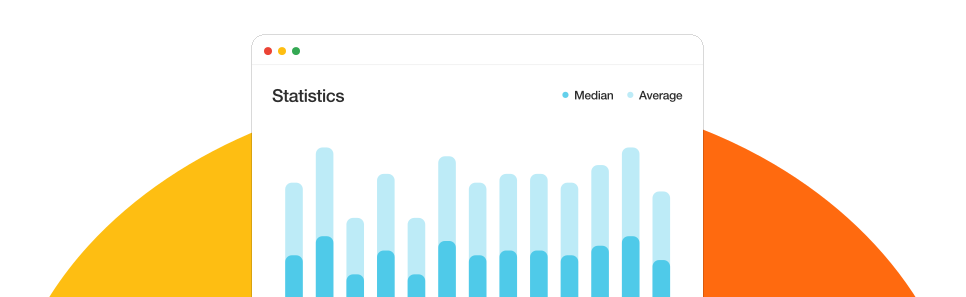
Search authority.
Relevant coverage can provide independent context about expertise. Link availability and any search effect remain separate questions.
 Call
Content MarketingPR and syndicated news
Turn your professional service firm's experience and expert perspectives into stories worth sharing. Growth Friday develops relevant media outreach and connects the resulting coverage with your website, search strategy and wider content plan.
Illustrative workflow only. A consulting partner has a well-supported perspective on a change affecting clients. The sequence below describes how that insight could become a reviewed pitch. It is not a claim of publication or coverage.
Check the evidence and explain why this audience would care about the expert's perspective
Agree the facts, spokesperson and approval responsibilities before approaching a relevant editorial contact
If an editor proceeds, review the resulting context and the permissions for appropriate reuse
PR can suit a firm with substantive research, an informed perspective or a story its audience can learn from, provided the contribution is credible and there is a reason to share it. Relevance comes first.
An architecture project or a consultant's commentary still needs professional review when it includes claims, client references or sensitive material, even if a publication seems prestigious or has a large distribution list. Context matters.
We agree the priorities, outputs and responsibilities in your scope before delivery. The activities below explain the work we can plan together.
A story needs evidence and an audience. We research possible angles, assess why someone would care and develop a brief that separates substantiated expertise from claims still needing support or approval.
We shape the agreed insight into a pitch or contributed article for your expert to review, including the facts, professional boundaries and any client permissions the material depends on. The contribution has to stand up.
Where outreach is included, we research appropriate editorial contacts and prepare a targeted approach around the story and audience. Editors decide whether to respond, commission, edit or publish, including whether to link.
If a paid placement or syndicated distribution route is proposed, the scope identifies the arrangement, review process and any third-party costs before you commit. Those routes are distinct from earned editorial coverage.
Useful coverage may give a newsletter, social post or service page something credible to reference, provided the source, context and permissions support that reuse. Production responsibilities are agreed separately.
Earned editorial coverage depends on an editor's judgment. A paid placement involves a commercial arrangement and appropriate disclosure. Syndication distributes material through an agreed network and should not be presented as multiple independently earned endorsements.
The proposal identifies which work is included, who approves it and any separate distribution or placement costs. PR and search authority work may support the same strategy, but they are not identical services and neither guarantees followed links or rankings.
Each stage has a decision to make and a clear contribution from both teams. Timing follows the agreed work and its dependencies.
We: Research audience fit and possible story directions
You: Provide expert knowledge and the evidence behind proposed claims
We: Prepare the agreed pitch or content and flag missing support
You: Approve factual details, spokesperson participation and any client references
We: Deliver the agreed outreach or distribution activity
You: Approve any proposed paid route and participate in relevant editorial follow-up
We: Record available coverage evidence and recommend appropriate next steps
You: Review professional context and authorize reuse where permissions allow
Growth 360 connects PR planning with the questions your search, content and website work needs to answer. Our integrated AI marketing brain supports research and analysis; experienced people judge the angle, check claims and lead the outreach.
Relevant coverage can provide independent context about expertise. Link availability and any search effect remain separate questions.
An approved reference to a useful story can give your audience a reason to read the original coverage.
Relevant coverage may be useful to existing readers, provided the newsletter content and reuse are agreed.
We review documented placements or mentions, audience fit, the substance of coverage and available referral evidence, keeping syndicated distribution separate from independently earned editorial endorsements. Each account should identify what happened.
Publisher reach estimates do not establish actual readers. Coverage may have no link, and a link may carry attributes that limit its search use. Inquiries and opportunities require their own reliable follow-up evidence.
PR develops stories and relevant media relationships around credible expertise. Search authority work considers a wider range of references and links. Their goals can overlap, but a PR engagement does not guarantee a backlink or a ranking change.
Earned coverage reflects an editor's decision to use a story or expert contribution, while paid exposure involves a commercial arrangement and disclosure. We distinguish the route and any agreed costs before proceeding.
Syndication distributes material through an agreed network. Multiple copies are distribution, rather than separately earned editorial endorsements, and the proposed route needs to be identified in the scope.
No. Editors control earned coverage. Any paid or syndicated route has its own terms and needs agreement. We do not promise named publishers, backlink quantities, followed links, rankings or AI recommendations.
Experts provide the knowledge, evidence and professional review behind a story, with participation in an interview or commentary request where the opportunity calls for it. We agree those responsibilities around the work.
Your designated reviewer approves the facts, claims, spokesperson and client references before outreach. An editor may later request changes that need another professional review, so those responsibilities remain relevant after the first approval.
No. Link inclusion and attributes depend on the publisher and placement. We assess the opportunity for its audience and context, without treating a followed link as an assured deliverable.
Start with the relevance and substance of documented coverage, then examine available referral or inquiry evidence. Estimated reach and the number of syndicated copies do not establish qualified demand or revenue.
Your services, review responsibilities and buying journey shape the brief.
A story angle, assessed opportunity, evidence brief and approval plan
Trusted by firms that don’t believe in flings













Tell us about your field, perspective and the audience you want to reach. We can discuss the evidence, approvals and possible routes in a discovery conversation.