
Growth 360
December 19, 2025

Beyond the buzz: what a content marketing company can do for you.

TL;DR

A content marketing company plans, produces, and distributes channel native content, then optimizes it for search and AI to generate qualified demand. You gain scale, specialized expertise, and data driven iteration without hiring a full in house team.

A content marketing company is a specialized agency that helps businesses create, distribute, and optimize content to attract audiences, build trust, and drive measurable business growth. Here's what you need to know:

What they do:

  • Develop strategic content plans aligned with your business goals
  • Create high-quality content (blogs, videos, infographics, email campaigns)
  • Optimize content for search engines and AI platforms like ChatGPT
  • Measure performance and adjust strategies based on data

Why businesses hire them:

  • 77.6% of content marketers struggle to get content to rank in search results
  • Professional agencies bring specialized expertise and proven frameworks
  • They free your team to focus on core business activities
  • Strategic content builds authority, generates leads, and increases sales

Key benefits:

  • Scale content production without hiring full-time staff
  • Access to expert strategists, writers, and SEO specialists
  • Data-driven approach to maximize ROI
  • Integrated strategies across multiple channels (SEO, social, email, PR)

The landscape is changing fast. With AI reshaping search and content findy, monthly content marketing budgets exceeding $45,000 jumped from 4.1% in 2024 to 11.4% in 2025. Businesses are investing more because strategic content marketing delivers measurable results—not just traffic, but real revenue growth.

I'm Daniel Harman, founder of Growth Friday, where I've spent over a decade helping professional service firms build authority and generate qualified leads through strategic, AI-improved content marketing. My experience leading product at companies like Whistle Labs (acquired by Mars, Inc.) taught me that sustainable growth comes from integrated systems, not disconnected tactics—which is exactly how we approach every content marketing company engagement.

Defining a modern content marketing company.

In today's crowded digital landscape, a modern content marketing company is far more than just a content creation factory. We see ourselves as strategic partners and content architects, carefully crafting narratives that resonate with your target audience. Our expert teams don't just write articles; we build comprehensive content strategies designed to engage your audience, foster genuine trust, and ultimately achieve your specific business objectives. For professional service firms in places like Los Angeles, Brentwood, Orange County, Pasadena, and Santa Monica, this means translating complex services into digestible, valuable content that positions you as the definitive authority in your field. We differentiate ourselves from agencies that merely "sell tactics" by focusing on the holistic picture—how every piece of content contributes to your overarching goals.

The core benefits: moving beyond just traffic.

While increased website traffic is a welcome outcome, it's just one piece of the puzzle. The true value of partnering with a dedicated content marketing company lies in its ability to drive deeper, more meaningful results. We focus on:

  • Scalable Growth: Building a content engine that consistently attracts and converts qualified leads, allowing your business to expand sustainably without constantly pouring money into fleeting ad campaigns.
  • Industry Authority: By consistently publishing high-quality, expert-led content, we help establish your firm as a thought leader. This aligns directly with Google's E-E-A-T guidelines (Experience, Expertise, Authoritativeness, and Trustworthiness), which are crucial for ranking and building credibility.
  • Increased Conversions: Our strategies are designed not just to attract eyeballs, but to guide prospects through the buyer's journey, changing casual readers into loyal clients.
  • Access to Expertise: You gain an entire team of specialists—strategists, writers, editors, SEO experts, and data analysts—without the overhead of in-house hires.
  • Cost-Effectiveness: Over time, content marketing offers a significantly higher ROI than many traditional marketing channels, as content assets continue to work for you long after publication.
  • Focus on Core Business: By entrusting your content needs to us, your internal teams can concentrate on what they do best: serving clients and developing your services.

Our approach ensures that the content we create is not just seen, but deeply understood and acted upon, fostering a foundation of trust that is invaluable for professional service firms. You can learn more about how we approach Content Marketing here.

How agencies drive real business growth.

A truly effective content marketing company understands that content plays a vital role at every stage of the customer journey, from initial awareness to post-purchase loyalty. We carefully plan content to address specific needs at each step, driving real business growth:

  • Top-of-Funnel Awareness: At this stage, our goal is to introduce your brand to a wide audience. We create informative blog posts, captivating infographics, and engaging social media content that answers common questions and establishes your presence. This broad reach builds brand awareness and attracts potential clients who are just beginning their research.
  • Mid-Funnel Lead Nurturing: Once prospects are aware of your brand, we nurture their interest with more in-depth content like whitepapers, case studies, and email sequences. This content demonstrates your expertise, addresses specific pain points, and builds trust, guiding them closer to a purchasing decision. For professional service firms, this might involve Email Marketing campaigns that highlight our unique solutions.
  • Bottom-of-Funnel Sales: When prospects are ready to make a decision, our content provides the final push. This includes compelling sales collateral, client testimonials, and detailed service pages that showcase your value proposition and encourage conversion.
  • Customer Retention & Advocacy: Our work doesn't stop at the sale. We also develop content that supports existing clients, fostering loyalty and turning them into brand advocates. This could involve exclusive content, webinars, or community-building initiatives on Social Media.
  • Building Brand Equity: Consistent, high-quality content across all these stages reinforces your brand's values, mission, and unique selling propositions, leading to stronger brand equity and a more recognizable presence in your market.

By optimizing your website content, we ensure that every piece works harder for your business. For a deeper dive into optimizing your online presence, check out our guide on Boost Your Online Visibility: The Ultimate Guide to Website Content Optimization.

How to choose the right partner for your business.

checklist for vetting an agency - content marketing company

Choosing the right content marketing company is akin to selecting a strategic partner for your business. It’s a decision that can significantly impact your growth trajectory, so it’s essential to approach it with careful consideration. We believe in transparency and helping you find the best fit, even if it's not always us. The key is to look for an agency that understands your unique challenges and can deliver measurable results.

Key factors for vetting your content marketing company.

When evaluating potential partners, we encourage businesses to look beyond flashy presentations and focus on substance. Here are the critical factors to consider:

  • Industry Expertise: Does the agency truly understand your niche? For professional service firms, generic marketing rarely yields optimal results. Look for a content marketing company that has experience working with businesses similar to yours. For instance, if you're a law firm, an agency with a track record in Law Firm SEO Company will understand the nuances of legal content and client acquisition. Similarly, a medical spa will benefit from a partner experienced in Medical Spa Marketing, and SaaS startups need specialized Marketing for SaaS Startups. This niche specialization ensures content is relevant, authoritative, and speaks directly to your audience.
  • Proven Track Record (Case Studies & Testimonials): Ask for concrete examples of their success. A reputable content marketing company should be able to provide detailed case studies demonstrating how they've helped other clients achieve their goals. Client testimonials offer invaluable insights into their working style and client satisfaction.
  • Comprehensive Services: Ensure the agency offers a full suite of services that align with your needs, from strategy development and content creation to distribution, SEO, and analytics. A fragmented approach often leads to disjointed results.
  • Communication Style & Transparency: How do they communicate? Are they proactive, or do you have to chase them for updates? A strong partnership is built on open, honest, and regular communication. We pride ourselves on being an extension of your team.
  • Budget Alignment: Be clear about your budget from the outset. While quality content marketing is an investment, the right agency will work with you to develop a strategy that delivers maximum ROI within your financial parameters.

Red flags to watch out for.

Just as there are indicators of a great partner, there are also warning signs that suggest an agency might not be the right fit. We advise caution if you encounter any of these red flags:

  • Guaranteed Rankings: No legitimate SEO or content marketing company can guarantee specific search engine rankings. Google's algorithms are complex and constantly evolving. Promises of "first page in 30 days" are often unrealistic and can lead to short-sighted, potentially harmful tactics.
  • Lack of Transparency: If an agency is vague about their processes, reporting, or pricing, it's a cause for concern. You should have a clear understanding of what you're paying for and how your campaigns are performing.
  • One-Size-Fits-All Strategy: Every business is unique, and so should its content strategy. An agency that offers generic solutions without taking the time to understand your specific goals, audience, and industry is unlikely to deliver custom, effective results. We focus on custom, expert-led strategies.
  • No Data-Driven Approach: Content marketing without data is like sailing without a compass. If an agency can't explain how they measure success, track KPIs, or justify their decisions with analytics, they may be operating on guesswork rather than informed strategy.
  • Poor Communication: Unresponsive account managers, missed deadlines, or a lack of clear reporting are all signs of a dysfunctional partnership. Effective communication is the bedrock of any successful client-agency relationship.

Best practices for a successful partnership.

Once you've chosen a content marketing company, the work isn't over—it's just beginning! A successful partnership requires active participation from both sides. Here's how we recommend making the most of your collaboration:

  • Establish Clear Goals: Before any content is created, define clear, measurable, achievable, relevant, and time-bound (SMART) goals. What do you want to achieve with your content? More organic traffic? Higher conversion rates? Increased brand authority? The clearer your objectives, the better we can tailor our strategy.
  • Open Communication: Maintain an ongoing dialogue with your agency. Share internal updates, market insights, and feedback. We value your input and expertise in your field, and it helps us refine our approach.
  • Regular Feedback: Provide constructive feedback on content, strategy, and performance reports. This iterative process allows us to continuously improve and ensure our work aligns perfectly with your vision.
  • Trusting the Process: Content marketing is a long-term investment. While we strive for quick wins, significant, sustainable results often take time to materialize. Trust in the expertise of your chosen content marketing company and the strategic roadmap we've developed together.
  • Leverage Technology for Collaboration: Efficient collaboration tools can streamline workflows and ensure everyone is on the same page. Using platforms like Client Portals for Marketing Agencies can significantly improve transparency and project management.

A look inside: services, costs, and measuring success.

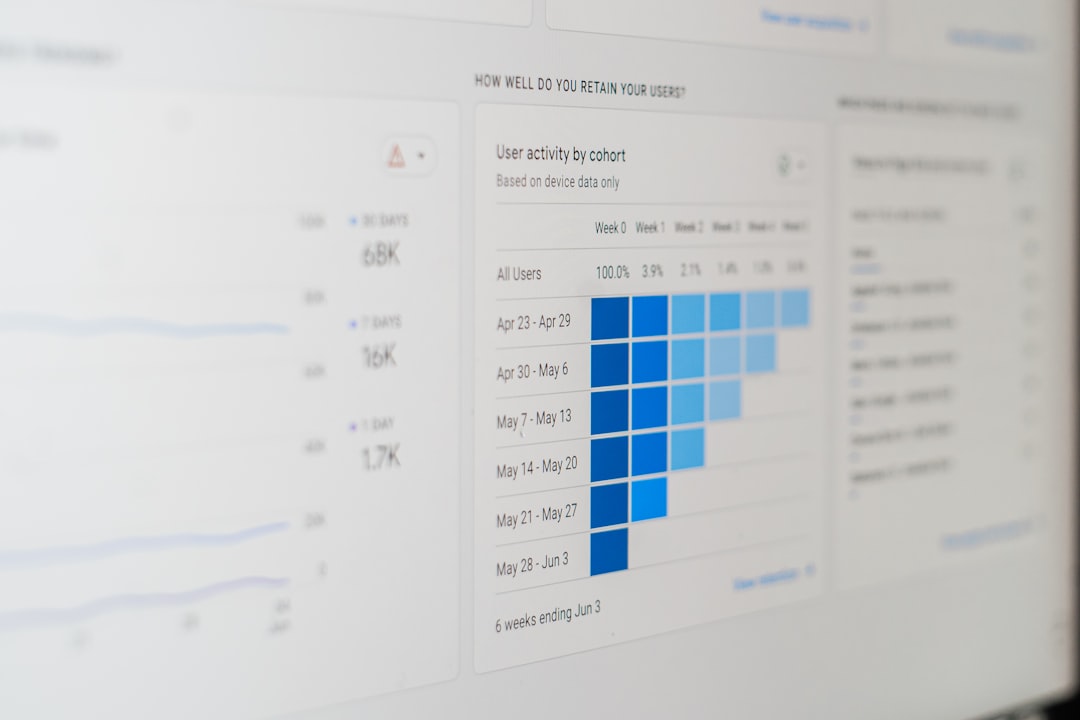
dashboard showing content marketing KPIs - content marketing company

Understanding the inner workings of a content marketing company—what services they offer, how they structure their pricing, and how they measure success—is crucial for setting realistic expectations and maximizing your investment. We aim to explain these aspects, ensuring you have a clear picture of the value we provide.

Common services offered by a content marketing company.

A comprehensive content marketing company offers a diverse range of services designed to cover every aspect of your content strategy and execution. At Growth Friday, for professional service firms in areas like Los Angeles, Brentwood, Orange County, Pasadena, and Santa Monica, our services often include:

  • SEO Content Strategy & Creation: This is foundational. We create content specifically optimized for search engines, including blog posts, articles, and website copy, to improve your visibility on Google and other search platforms. This involves in-depth keyword research, competitor analysis, and adherence to E-E-A-T principles. Our Organic Search solutions are at the core of this.
  • Video Marketing: From explainer videos to client testimonials, video is a powerful medium for engaging audiences and conveying complex messages. We can assist with scriptwriting, production guidance, and distribution strategies.
  • Infographics & Visual Content: Visually appealing content makes complex data digestible and shareable. We design compelling infographics, charts, and other visual assets to improve your content strategy.
  • Email Marketing: We develop and execute Email Marketing campaigns, including newsletters, lead nurturing sequences, and promotional emails, to engage your audience directly and drive conversions.
  • Social Media Content & Strategy: Crafting engaging posts, stories, and campaigns for platforms like Facebook, LinkedIn, and Instagram to build community, drive traffic, and amplify your brand message. Explore our Social Media solutions.
  • Public Relations (PR) & Thought Leadership: Positioning your firm as an industry leader through press releases, media outreach, and strategic placements. Our PR services help amplify your expert voice.
  • Website Content & UX Writing: Crafting persuasive and user-friendly content for your website, ensuring a seamless user experience that guides visitors towards your desired actions.
  • E-books & Whitepapers: Long-form content that establishes deep expertise and serves as valuable lead magnets.
  • Podcast Production: Developing and producing audio content to reach new audiences and build thought leadership in an engaging format.

Understanding pricing structures and costs.

The cost of hiring a content marketing company can vary widely based on the scope of services, the agency's expertise, and the volume of content required. Generally, businesses can expect to see several common pricing structures:

  • Retainers: This is the most common model, where clients pay a fixed monthly fee for ongoing services. This allows for long-term strategic planning and consistent content output. Based on industry statistics, monthly content marketing budgets can range from $5,000 to over $50,000+, with enterprise businesses potentially spending upwards of $60,000+ per month. The significant jump in budgets exceeding $45,000 from 4.1% in 2024 to 11.4% in 2025 indicates a growing investment in strategic content.
  • Project-Based Fees: For specific, one-off projects like a website redesign with new content, an e-book, or a video series, agencies may charge a fixed fee.
  • Per-Piece Pricing: Less common for comprehensive strategies, but some agencies might charge per article, per video minute, or per infographic. This is often seen for simpler, high-volume content creation tasks.

We work with our clients to develop a pricing structure that aligns with their goals and budget, always focusing on delivering a positive return on investment.

Measuring what matters: key performance indicators (KPIs).

At Growth Friday, we believe that effective content marketing is data-driven. We don't just create content; we track its performance carefully against clearly defined Key Performance Indicators (KPIs) to ensure we're achieving your business objectives, not just generating vanity metrics.

Here are some of the crucial KPIs we monitor:

  • Website Traffic: While not the sole indicator, increased organic traffic is a fundamental goal. We analyze unique visitors, page views, and traffic sources.
  • Conversion Rates: This is where the rubber meets the road. We track how many visitors complete desired actions, such as filling out a contact form, downloading a resource, or making a purchase.
  • Lead Quality & Quantity: For professional service firms, generating high-quality leads is paramount. We assess not only the number of leads but also their fit with your ideal client profile.
  • Search Rankings: We monitor your content's position in search engine results pages (SERPs) for target keywords, striving for top rankings on Google's Organic Search results.
  • Backlinks & Domain Authority: The number and quality of backlinks pointing to your content are strong indicators of its authority and value.
  • Engagement Metrics: This includes time on page, bounce rate, social shares, comments, and email open/click-through rates, all of which indicate how well your audience is connecting with your content.
  • Sales Revenue & ROI: Our goal is to drive tangible business growth. We work to attribute content marketing efforts directly to increased sales revenue and calculate the return on your investment.

By focusing on these metrics, we ensure our strategies are continuously optimized to deliver scalable growth and a strong ROI for your business.

The future is now: AI's impact and top agencies to watch.

The landscape of content marketing is evolving at an unprecedented pace, largely driven by advancements in Artificial Intelligence. At Growth Friday, we accept this change, leveraging AI integration and human expertise to stay at the forefront. For professional service firms, understanding how AI impacts content strategy is no longer optional—it's essential for maintaining a competitive edge.

How AI is reshaping content marketing strategies.

AI is not just a buzzword; it's a transformative force in content. A forward-thinking content marketing company integrates AI at multiple stages to improve efficiency, effectiveness, and personalization:

  • AI-Powered Research & Analysis: AI tools can rapidly analyze vast amounts of data, identifying trending topics, audience intent, competitor gaps, and optimal keyword strategies. This significantly reduces the time traditionally spent on manual research.
  • Generative AI Content Assistance: Tools like ChatGPT can assist in generating content outlines, drafting initial copy, and even repurposing existing content for different platforms. This speeds up content creation, allowing our human experts to focus on refinement, strategic oversight, and injecting the unique voice and expertise that AI alone cannot replicate.
  • Performance Prediction & Optimization: AI algorithms can predict which content pieces are likely to perform best based on historical data and audience behavior. This allows for more informed content planning and optimization.
  • Personalization at Scale: AI enables hyper-personalization of content delivery, ensuring that the right message reaches the right person at the right time, enhancing engagement and conversion rates.
  • LLM Optimization (LLMO): With the rise of Large Language Models (LLMs) powering AI search experiences like Google AI Overviews and Perplexity, optimizing content for these new findy channels is critical. LLMO involves structuring content in a way that LLMs can easily understand, summarize, and present to users, ensuring your brand's visibility in the evolving search landscape. We are at the forefront of this, ensuring our clients' content appears in these new AI search formats. If you're curious about this new frontier, learn more about our AI SEO Agency approach.

The synergy between AI and human expertise is key. AI handles the heavy lifting of data analysis and initial generation, freeing our strategists and writers to focus on the nuanced storytelling, brand voice, and strategic insights that only humans can provide. To truly stay ahead, continuous learning is vital; we draw inspiration and best practices from experts, including those found at the Content Marketing Institute.

Top content marketing agencies in the US.

When considering a partner, it's helpful to know some of the leading players in the industry. Here are a few top content marketing company firms recognized for their expertise and innovative approaches across the US:

  1. Growth Friday: As an AI-powered, expert-led content marketing company, we specialize in building holistic strategies for professional service firms. Our focus is on earning trust and scalable growth, not just traffic, differentiating us from agencies that only sell tactics. We serve clients in key markets like Los Angeles, Brentwood, Orange County, Pasadena, and Santa Monica. Explore our Growth Friday Content Marketing solutions.
  2. Siege Media: Known for their strong SEO-focused content marketing, Siege Media specializes in creating content that ranks and drives organic traffic. They boast impressive results, generating over $150 million in yearly traffic value for clients.
  3. Animalz: This agency carved a niche specializing in content strategy and creation for B2B SaaS companies, venture capitalists, and other tech firms. They are renowned for their outstanding thought leadership content.
  4. Brafton: With a long history in inbound marketing since 2008, Brafton offers a full suite of content marketing services, including strong capabilities in video production and graphic design, alongside their content creation.
  5. Contently: A platform-based content marketing company, Contently combines AI-powered content creation with a vast network of expert creators. They help brands generate 14X ROI through increased LLM visibility, higher engagement, and optimized conversion paths.

Frequently asked questions about content marketing.

What's the difference between a content marketing agency and a digital marketing agency?

This is a common question, and the distinction can sometimes be blurry as many agencies offer overlapping services. A content marketing company specializes in the strategy, creation, and distribution of content across various formats (blogs, videos, infographics, social media posts, etc.). Their primary goal is to attract, engage, and convert audiences through valuable and relevant information.

A full-service digital marketing agency, on the other hand, offers a much broader range of services that encompass the entire digital ecosystem. This can include everything from Paid Media (like Google Ads and social media advertising), technical SEO, web design and development, email marketing, and social media management. While many digital marketing agencies have strong content departments, a dedicated content marketing company will typically have a deeper specialization and focus solely on content as its core offering. At Growth Friday, we combine the best of both worlds, offering comprehensive digital marketing with a strong emphasis on expert-led, AI-powered content strategies.

How long does it take to see results from content marketing?

Content marketing is a marathon, not a sprint. While some quick wins might be possible, such as a well-optimized piece of content ranking for a low-competition keyword, significant and sustainable results typically take time. We generally advise clients to expect to see noticeable improvements in organic traffic, lead generation, and brand authority within 6-12 months.

This timeframe allows for:

  • The development and implementation of a robust content strategy.
  • The consistent production of high-quality content.
  • Search engines to crawl, index, and rank your new content.
  • Your audience to find and engage with your content, building trust over time.

Patience and consistency are key to open uping the long-term benefits of content marketing.

Can a small business afford to hire a content marketing company?

Absolutely! While some of the budgets mentioned earlier might seem daunting, many reputable content marketing company firms offer flexible pricing models that cater to businesses of all sizes, including small and medium-sized enterprises. Options can include:

  • Scaled-down retainers: Offering a core set of services for a more modest monthly fee.
  • Project-based work: Focusing on specific, high-impact content pieces or campaigns.
  • Consultation services: Providing strategic guidance for your in-house team.

The key for a small business is to find a partner whose services align with your budget and, crucially, can deliver a positive return on investment (ROI) for your specific goals. It's about smart investment, not just large spending. A good agency will help you prioritize efforts to ensure every dollar spent works hard for your business.

Conclusion: become the signal, not the noise.

In an increasingly noisy digital world, a strategic partnership with a content marketing company is no longer a luxury—it's a necessity for businesses striving for sustainable growth and a commanding online presence. We've explored how these specialized agencies move beyond mere tactics to deliver holistic, expert-led strategies focused on earning trust, building authority, and driving scalable growth. From defining your brand's voice to leveraging cutting-edge AI tools, a dedicated content partner equips you to become the signal, not just more noise.

For professional service firms in Los Angeles, Brentwood, Orange County, Pasadena, and Santa Monica looking to build trust and achieve scalable growth with an AI-powered, expert-led approach, a strategic partnership is key. We invite you to find how our custom solutions can transform your digital footprint.

Explore our Content Marketing solutions

Similar blog posts

Growth 360
February 19, 2026

Cosmetic dentist marketing: A 2026 playbook that actually books smile makeovers.

Cosmetic dentist marketing refers to the strategies and tactics used to attract and retain patients seeking elective cosmetic dental procedures, such as veneers, smile makeovers, Invisalign, and teeth whitening. Understanding the target audience is essential for effective marketing in cosmetic dentistry, as it allows practices to tailor their messaging and outreach to those most likely to seek these services.

The landscape of cosmetic dentistry has changed dramatically since 2020. What once relied on steady referrals and Yellow Pages listings has evolved into a highly competitive digital arena where practices not only compete with each other but also face challenges from mail-order aligners, at-home whitening kits, and med spas offering aesthetic services.

Between 2021 and 2025, demand for cosmetic dentistry surged as patients increasingly prioritized appearance-focused investments after the pandemic. This growth attracted new competitors at every level. Today, a prospective patient researching veneers may encounter direct-to-consumer aligner brands, influencer endorsements for whitening products, and numerous local practices all competing for attention, often before they even make a phone call.

This article focuses on actionable marketing tactics that cosmetic dentists can implement within the next 90 days to boost bookings for smile makeovers, veneers, Invisalign cases, and full-mouth rehabilitations. We are not discussing theory or vague best practices but proven strategies that convert interest into scheduled consultations and completed treatments.

At Growth Friday, we specialize in integrated, AI-powered marketing systems tailored for professional service firms, including cosmetic dentists seeking predictable, measurable growth. Our approach connects every marketing channel to the one metric that truly matters: booked appointments that lead to completed cases. For a more detailed look at our methodology, check out our guide on cosmetic dentist marketing that books smile makeovers.

Who actually buys cosmetic dentistry in 2026.

Many practices still rely on a generic “anyone who wants a nicer smile” persona, which weakens their marketing efforts. Generic messaging attracts generic leads or sometimes no leads at all.

The cosmetic dentists who consistently book high-value patients have identified specific buyer segments and tailor their marketing accordingly.

Primary cosmetic dentistry buyer segments.

  • Urban professionals (age 28–40): Motivated by career advancement, dating, and events. They typically seek same-day whitening, Invisalign, and bonding, with a decision timeline of 2 to 4 weeks.
  • Executive investors (age 45–65): Driven by professional image and perceived authority. Their common procedures include veneers and full smile makeovers, deciding within 4 to 12 weeks.
  • Social-media-driven patients (age 20–35): Focused on Instagram/TikTok aesthetics and selfie confidence. They often opt for veneers, whitening, and clear aligners, deciding in 2 to 8 weeks.
  • Life event patients (age 25–45): Preparing for weddings, reunions, or milestone photos. Their typical treatments are whitening, veneers, and smile makeovers, with a decision timeline of 4 to 8 weeks.

Each segment responds to different messaging strategies. For example, wedding countdown campaigns resonate with life event patients, “LinkedIn-ready smile” messaging appeals to executives, and social-proof-heavy ads featuring real transformations attract the Instagram-focused demographic.

Common decision drivers across all segments include:

  • Trust and credentials, such as training, certifications, and case volume.
  • Visible proof through before-and-after galleries and patient success stories.
  • Transparent treatment costs and financing options.
  • Convenience factors like online booking, location, and office hours.
  • Addressing fear and pain management upfront.

Prioritize segments based on case value and lifetime value. For example, a veneers patient spending $15,000 to $30,000 who refers family members is far more valuable than a one-time whitening patient who never returns. Your cosmetic dentistry marketing strategy should allocate resources accordingly.

How to market your cosmetic dentistry practice across channels.

Simply boosting some social media posts is not a strategy; it is a gamble. The cosmetic dental practices that consistently book smile makeovers treat marketing as an integrated system rather than a set of disconnected tactics.

Organic search, paid ads, social media, email marketing, and offline efforts work together to guide prospective clients from initial awareness to booked consultation to completed treatment and referral.

The patient journey in cosmetic dentist marketing can be broken down into distinct stages, each with its own patient mindset and primary marketing channels:

  • Awareness: At this stage, patients are thinking, “I want to improve my smile.” The best channels to reach them here include social media, display ads, and content marketing.
  • Consideration: Patients begin asking, “What are my options? Who’s best?” Effective channels for this stage are SEO, Google search, review sites, and the practice’s website.
  • Consultation: When patients decide, “I’m ready to meet this dentist,” targeted landing pages, paid search, and retargeting campaigns are key.
  • Treatment and Referral: After receiving care, patients often feel, “I love my results.” Channels to engage them include email, SMS, referral programs, and word of mouth.

The following sections provide detailed recommendations on website and user experience, SEO, paid media, local SEO, content marketing, reputation management, and patient retention, all tailored specifically for cosmetic dentistry.

Growth Friday’s approach emphasizes measurable results at every stage. Every marketing channel is directly tied to booked appointments and production, focusing on outcomes rather than just clicks or impressions that look good in reports but do not drive growth.

Turn your website into a smile makeover conversion engine.

In 2026, your website often serves as the very first “chairside experience” for cosmetic dentistry patients. Visitors form an impression in under 0.1 seconds, which determines whether they explore further or bounce to competitors.

Your online presence must do more than exist; it must convert. This requires combining visual appeal, technical performance, and persuasive elements that encourage potential patients to book.

Essential website UX features.

  • Mobile load times under 2 seconds (47% of users abandon slower sites)
  • Clear navigation with cosmetic services prominently displayed
  • Click-to-call buttons on every page
  • Online booking or appointment request forms above the fold
  • Mobile-first design with thumb-friendly tap targets and sticky booking buttons

Dedicated service pages that drive conversions.

Your website should include dedicated landing pages for:

  • Veneers (both porcelain and composite)
  • Smile makeovers and full-mouth reconstruction
  • Invisalign and clear aligners
  • Teeth whitening (in-office and take-home)
  • Dental bonding and contouring
  • Dental implants (if offered)

Each page should provide pricing guidance or ranges where permitted, high-quality before-and-after photos with patient consent, and persuasive copy focusing on benefits rather than just clinical details. Address common pain points such as cost, fear of discomfort, and time commitment.

Highlight financing options clearly. For example, presenting a $20,000 smile makeover as “$350/month with approved credit” makes it more approachable.

Technical SEO foundations.

Ensure your site includes:

  • Schema markup for LocalBusiness and Dentist
  • Optimized title tags and meta descriptions using keywords like “cosmetic dentist in [city]” and “smile makeover [city]”
  • Fast, secure hosting with SSL certificate
  • Alt text on all images, especially before-and-after galleries

Consider adding AI-powered chatbots or intelligent forms to answer common cosmetic questions and capture qualified leads 24/7. Growth Friday can integrate these digital tools with CRM systems to ensure no lead is missed.

Key website elements that sell cosmetic treatments.

Your homepage should emphasize cosmetic value with a hero section featuring a compelling headline (“Book Your 2026 Smile Makeover in [City]”), an immediate call to action, and patient imagery reflecting your target demographic.

Important pages include:

  • Homepage with cosmetic focus
  • Individual treatment landing pages
  • Before-and-after gallery with case details
  • Reviews and testimonials page
  • Financing and payment options page
  • Comprehensive FAQ section
  • “Meet the doctor” page showcasing credentials and case numbers

Trust elements are critical for elective cosmetic procedures. Highlight affiliations (AACD, AGD), years of experience, and concrete numbers like “Over 3,000 cosmetic cases completed since 2015.”

Set up robust analytics from day one. Use Google Analytics 4, call tracking, and form tracking to monitor which pages drive booked consultations and production, not just traffic.

AI-powered SEO strategy for cosmetic dentists.

Ranking for “cosmetic dentist near me” in 2026 requires blending traditional search engine optimization with AI-informed keyword and content planning. With 70% of searches now voice or AI-assisted, your content must be concise, natural, and optimized for how patients actually speak.

Patient language vs clinical terms.

Patients do not search for “composite resin direct bonding.” Instead, they use phrases like “make my teeth look straight without braces” or “fix chipped front tooth fast.”

Pages should reflect patient language in headings, body text, and FAQs while demonstrating clinical expertise. This approach satisfies both search engines and human readers who book consultations.

On-page SEO essentials.

  • Unique title tags under 60 characters
  • Clear H1/H2 hierarchy with keyword-relevant headings
  • Descriptive URLs (e.g., /veneers-cost-chicago instead of /page-123)
  • Internal links between related cosmetic service pages
  • Alt text on all before-and-after images

Build content hubs around core themes such as smile makeovers, veneers, whitening, clear aligners, and anti-aging dentistry. Link related blog posts and FAQs to establish topical authority rewarded by search engines.

Content production for organic traffic.

AI tools can help identify related search clusters such as “veneers vs bonding,” “whitening sensitivity,” and “Invisalign timeline,” and outline content efficiently. However, content must be human-edited for medical accuracy to build trust and comply with regulations.

Publish 2 to 4 optimized articles monthly, each answering specific patient questions with clear calls to action for consultations or virtual smile assessments.

Authority signals matter more than ever with Google’s E-E-A-T standards. Include detailed doctor bios, real case studies with dates, and citations for statistics and claims.

Local SEO: dominate Google Maps for “cosmetic dentist in [city].”

Most smile makeover patients search Google Maps using phrases like “best cosmetic dentist in [city]” or “veneers near me.” Appearing in the local 3-pack often matters more than ranking first organically.

Google Business Profile optimization:

  • Choose correct categories (Cosmetic Dentist primary, Dentist secondary)
  • Write detailed service descriptions for each cosmetic procedure
  • Upload high-quality photos of office, team, and results (with consent)
  • Post weekly updates highlighting case stories and promotions

Maintain consistent NAP (Name, Address, Phone) across healthcare directories, dental associations, and review sites like Healthgrades and Zocdoc.

Develop a review acquisition strategy (covered later) and track local rankings for key procedures across relevant ZIP codes.

Paid media that fills your calendar with high-value cosmetic cases.

Paid search and social advertising provide the fastest way to fill consultation slots, especially for high-value cosmetic procedures. When someone searches “porcelain veneers cost Chicago,” they show purchase intent worth capturing immediately.

Market size and budget expectations vary by location, with major metro areas like NYC, LA, and Chicago typically requiring monthly marketing budgets between $2,500 and $5,000. Mid-sized markets generally allocate $1,500 to $3,000 per month, while smaller cities may spend between $1,000 and $2,000. The cost per booked consultation can range widely—from $150 to $400 in major metros, $100 to $250 in mid-sized markets, and $75 to $175 in smaller cities. It is important to track the cost per booked consultation and the cost per started case, rather than focusing solely on cost per click, as a $200 lead that converts to a $25,000 smile makeover represents outstanding marketing ROI.

Google Ads for veneers, smile makeovers, and Invisalign.

Structure keyword themes around:

  • Procedures: “porcelain veneers,” “smile makeover,” “Invisalign”
  • Intent modifiers: “cost,” “near me,” “best,” “before and after”
  • Urgency triggers: “before my wedding,” “fast teeth whitening”

Use location targeting and income demographics where allowed to focus spend on neighborhoods with higher cosmetic treatment adoption.

Craft ad copy with benefit-focused headlines, mention financing and free consultations (where compliant), and include call extensions plus structured snippets for cosmetic services.

Build comprehensive negative keyword lists to exclude low-value searches like “free dental clinic,” “DIY whitening,” “dental school,” and “insurance covered.”

Use call tracking numbers and form tracking to attribute booked consultations to specific campaigns and keywords.

Meta and Instagram Ads for visual storytelling.

Instagram and Facebook excel for cosmetic dentistry advertising because the results are inherently visual. Before-and-after transformations capture attention.

Effective creative formats include:

  • Carousel sequences showing transformation progressions
  • 15 to 30 second Reels featuring patient reactions at reveal appointments
  • Short educational clips from the dentist explaining options
  • Patient testimonial videos (with consent)

Retarget visitors who viewed veneers or smile makeover pages within the last 30 to 60 days. These warm audiences convert at much higher rates than cold traffic.

Build lookalike audiences based on your best cosmetic patients where platform policies permit. Measure success by booked consultations, not vanity metrics like likes or follows.

Growth Friday creates integrated dashboards showing which keywords, audiences, and creatives generate actual production, linking marketing efforts directly to revenue.

Content marketing that builds trust and educates future patients.

Cosmetic dentistry buyers conduct extensive research, often 2 to 8 weeks before committing to expensive treatments. They read reviews, compare options, and seek reassurance.

Your content should support them throughout this journey.

Content calendar planning.

Develop diverse content types:

  • Blog posts answering specific questions
  • Downloadable guides (e.g., “2026 guide to veneers vs bonding”)
  • Short videos explaining procedures
  • Patient journey case studies
  • FAQ content optimized for voice search

High-performing content topics:

  1. “How much do veneers cost in [city]? 2026 pricing guide”
  2. “Veneers vs bonding: which is right for your smile?”
  3. “What to expect during your smile makeover: a complete timeline”
  4. “How long does Invisalign take? Realistic timelines for adults”
  5. “Day in the life: what getting veneers actually feels like”
  6. “Whitening sensitivity: causes, prevention, and solutions”
  7. “Financing your smile makeover: options beyond insurance”
  8. “Questions to ask before choosing a cosmetic dentist”

Each piece should answer a specific patient question and end with a clear call to action to schedule a consultation or virtual smile assessment.

Repurpose content efficiently: blog posts can become email sequences, social media posts, and video scripts, maximizing reach without extra production effort.

Growth Friday uses performance tracking and AI to identify topics generating the most high-intent organic traffic, adjusting the content plan based on real results rather than assumptions.

Video, before-and-after galleries, and case stories.

Video content humanizes your practice in ways static content cannot. Prioritize:

  • Doctor introduction videos showcasing expertise and personality
  • “What to expect” walkthroughs easing procedure anxiety
  • Patient testimonial clips with real transformations
  • Quick procedure explanations for social media

For before-and-after galleries, use standardized angles and lighting, include annotations about treatment type and duration, and clearly indicate patient consent.

The image features a professional video camera mounted on a tripod in a modern, well-lit dental office, highlighting the importance of digital marketing services in cosmetic dentistry practices. This setup suggests a focus on creating engaging content to attract new patients and enhance the practice's online presence.

Narrative case studies work especially well for high-value procedures. Detail the patient’s goals, treatment plan, timeline, and final outcome. Anchor with real dates (e.g., “Sarah’s 2024 full-mouth reconstruction”) to maintain currency and credibility.

Embed these assets across cosmetic service pages, blog articles, and paid landing pages to reinforce social proof at every touchpoint.

Reputation, reviews, and social proof for cosmetic dentists.

In elective cosmetic care, online reviews often outweigh proximity when patients choose a provider. Practices with strong positive reviews attract more inquiries, 20 to 30 percent more on average.

Research shows 87 percent of patients check online reviews before booking.

Review acquisition workflow.

  1. Identify patients who completed cosmetic treatments successfully
  2. Send SMS or email within 24 to 48 hours with a direct review link
  3. Follow up within 3 days if no response
  4. Thank patients personally who leave reviews

Encourage detailed reviews mentioning specific procedures like “my veneers turned out perfect” or “Invisalign was easier than expected” as these carry more weight.

Review quality factors:

  • Quantity: consistent flow beats sporadic bursts
  • Recency: reviews from the last 90 days carry more influence
  • Rating: maintain an average of 4.5 stars or higher
  • Specificity: mention actual cosmetic procedures
  • Response: reply professionally to all reviews, positive or negative

For negative reviews, respond promptly and professionally. Acknowledge concerns, offer offline discussion, and demonstrate commitment to patient satisfaction. How you respond matters as much as the review itself.

Feature selected reviews and testimonials on your website, landing pages, and ads with permission. This social proof compounds over time.

Growth Friday integrates review platforms into broader reporting so you can correlate review volume and rating trends with new patient bookings.

Leveraging social media without becoming a full-time influencer.

You do not need viral TikTok dances; you need a consistent, professional presence aligned with your cosmetic dentistry brand.

Simple weekly social media plan:

  • 2 to 3 educational posts (tips, myth-busting, procedure explanations)
  • 1 to 2 before-and-after features (with consent)
  • 1 behind-the-scenes or team culture post

Use Stories and Reels for quick Q&A sessions, myth-busting, and short case teasers. Authenticity often outperforms polish.

Celebrate staff milestones and patient achievements (with consent) to make your practice feel approachable. Visitors should feel like they already know your team before their first appointment.

Track which posts drive profile visits, website clicks, and direct messages about cosmetic services. Focus on what works rather than chasing trends.

Patient loyalty, retention, and referrals for cosmetic cases.

A single smile makeover often leads to referrals from friends, family, and coworkers if the experience is memorable and shareable. Word of mouth marketing remains powerful but can be systematized.

Post-treatment nurture sequences.

  • Follow-up call within 24 to 48 hours post-treatment
  • Check-in at 1 week addressing any concerns
  • Email at 1 month with care instructions and whitening maintenance tips
  • Anniversary outreach celebrating the smile transformation

Referral programs that work.

Design compliant, tasteful referral incentives such as:

  • Gift cards for both referrer and new client
  • Whitening touch-up refills for referrals
  • Discounts on future treatments when referred friends complete cosmetic cases

Seasonal campaigns targeting existing clients generate repeat elective treatments: “Spring 2026 Smile Refresh,” “Holiday Photo-Ready Whitening Specials.”

Cross-selling from general dentistry to cosmetic procedures happens naturally during hygiene visits and recall reminders when you build credibility through excellent care.

Email and SMS marketing that patients actually welcome.

Segment your patient list by:

  • Cosmetic vs general dentistry patients
  • Active vs dormant patients
  • High-value (veneers, full-mouth) vs lower-ticket (whitening) cases

Effective message types include:

  • Post-op care instructions and tips
  • Anniversary check-ins (“It’s been one year since your smile makeover!”)
  • Birthday whitening offers
  • Limited-time promotions for aligners or veneers

Keep emails concise, visually appealing, and mobile-optimized. Use clear calls to action directing to booking pages.

For SMS, focus on compliant reminders for consultations and follow-ups, plus occasional cosmetic campaigns with explicit opt-ins.

Growth Friday sets up automated flows triggered by events like consultation requests, no-shows, and treatment completions, keeping your marketing campaigns running without constant manual effort.

How Growth Friday builds cosmetic dentist marketing systems that scale.

By this point, you understand that effective dental marketing is not about isolated tactics but building an integrated system where every channel works together to grow your cosmetic dentistry practice.

Growth Friday partners with cosmetic dentists who want a data-driven growth engine, not disconnected vendors handling pieces without coordination.

Our core capabilities for cosmetic dentistry.

  • AI-informed cosmetic dentistry SEO driving organic traffic
  • High-conversion website design and UX optimization
  • Google Ads and Meta campaigns focused on qualified leads
  • Local SEO domination for “cosmetic dentist near me” searches
  • Content marketing that educates and converts
  • Digital marketing services tied to actual results
  • Performance tracking and marketing analytics you can easily understand

Our Growth 360 model ties every channel to one source of truth: booked cosmetic consultations and completed cases. You receive monthly or quarterly reports showing traffic, leads, cost per consultation, cost per started case, and ROI for major procedures.

We help you stay focused on what matters, treating patients and growing production, while we handle marketing execution and optimization.

Ready to build a cosmetic dentist marketing system that consistently books smile makeovers? Visit our complete guide to cosmetic dentist marketing to explore detailed services, case studies, and next steps for attracting more patients to your cosmetic dentistry practice.

The practices winning in 2026 treat marketing as a measurable system. Let us build yours.

Read more
Paid Advertising
February 10, 2026

Dental Facebook ads: strategies for success.

This latest blog post is designed as a guide for dental practice owners and marketers seeking to harness the power of dental Facebook ads to grow their patient base and build a strong online presence. Most dentists face challenges in tracking and optimizing their marketing efforts, and often question the effectiveness of social media advertising. We’ll cover why dental Facebook ads matter in today’s competitive landscape; Facebook has over 2.9 billion monthly active users, offering dental practices access to a vast audience; how to craft high-performing campaigns, and actionable strategies for maximizing your return on investment. Whether you’re new to Facebook advertising or looking to improve your results, this guide will help you understand the key elements that drive success and how to avoid common pitfalls.

Setting up a dental practice Facebook ad campaign.

Launching a breakthrough Facebook ad campaign for your dental practice isn't about guesswork, it's about strategic precision that actually drives results. You need to zero in on your ideal patient profile with laser focus: age demographics, geographic radius, lifestyle interests, and specific dental pain points that keep them searching at 2 AM. Your ad objectives aren't just marketing goals - they're growth engines designed to scale your practice. Whether you're building patient acquisition systems, introducing game-changing services, or establishing market dominance in your community, every objective must map back to measurable ROI that transforms your bottom line.

Facebook Ads Manager becomes your command center for orchestrating multi-format campaigns that actually convert browsers into booked appointments. Image ads showcase your team's expertise and build instant credibility. Video content captures authentic patient transformations and behind-the-scenes authenticity that competitors can't replicate. Carousel formats let you display your full service portfolio with strategic sequencing. Lead generation ads cut through the noise to capture high-intent prospects directly into your funnel. Each format isn't just advertising - it's a strategic touchpoint in your patient acquisition system, designed to work in seamless harmony across the entire patient journey.

Your ad copy becomes the difference between scroll-past content and conversion gold - benefit-driven messaging with CTAs that demand immediate action, not polite consideration. Strategic keyword integration like "free consultation" and "new patient special" doesn't just boost metrics - it triggers the psychological triggers that turn prospects into patients. Facebook ads aren't just another marketing channel for your dental practice - they're your gateway to unprecedented audience reach, brand authority that competitors envy, and a steady stream of qualified patients walking through your doors. With the right strategic framework, facebook advertising transforms from expense into your most reliable patient acquisition engine.

Understanding ad objectives for dental practices.

Setting the right ad objectives isn't just important - it's the game-changing foundation that separates winning dental Facebook campaigns from budget-draining disappointments. Here's the truth: ad objectives are your direct line to Facebook's algorithm, telling it exactly what success looks like for your practice. Whether you're hunting for new patient bookings, building rock-solid awareness in your community, or pushing a time-sensitive offer that converts - the right objective ensures your ads find the people ready to take action. This isn't guesswork. This is maximizing every marketing dollar with surgical precision.

The smart money focuses on three powerhouse objectives that actually move the needle for dental practices. Lead generation - because collecting appointment requests is pure gold. Traffic campaigns - driving the right visitors to your website or landing pages where conversions happen. Brand awareness - building that essential recognition in your local market that turns strangers into patients. Each objective shapes everything - how your ads get delivered, who sees them, and which metrics actually matter for tracking your success.

Facebook's analytics aren't just numbers on a screen - they're your real-time growth intelligence system. This data-driven approach gives you the power to fine-tune ad copy that converts, laser-focus your targeting, and shift budget to what's actually working. When you align your dental marketing strategies with crystal-clear ad objectives, you're not just running ads - you're building a focused, efficient advertising machine that consistently delivers measurable value to your practice and transforms prospects into patients.

Dental Facebook ads only work when creative and copy do the heavy lifting.

Dental Facebook ads can be one of the most powerful growth channels for dental practices, but they are also one of the easiest ways to burn budget when done poorly.

Dental advertising has become a vital component of modern dental marketing strategies, especially given the competitive nature of the dental industry. Many practices are shifting from traditional methods like radio spots to digital channels to reach more patients and ensure compliance with advertising laws. A well-managed Facebook page is essential as the foundation for effective Facebook ad campaigns, supporting both organic content and patient engagement.

Social media marketing, particularly on Facebook, offers dental practices access to a vast audience of over 2.9 billion users and can be more cost-effective than traditional advertising methods. This makes Facebook a key platform for connecting with current and prospective patients.

Unlike Google Ads, where intent already exists, Facebook ads interrupt attention. That means your success depends almost entirely on two things:

  • The creative that stops the scroll
  • The copy that earns the click

When either one misses the mark, even perfect targeting cannot save the campaign.

This is why most underperforming dental Facebook ads fail long before the landing page is ever seen.

New patient specials, especially those targeting first time patients, are among the most effective types of Facebook ads for dental practices. These offers reduce the barrier to booking an appointment and encourage new bookings. Offering a discount for first-time patients is a proven strategy to drive more appointments and attract new clients.

Facebook ads allow dental practices to target specific audiences based on location, age, interests, and behaviors, enhancing the effectiveness of campaigns.

Why Facebook ads are different for dental practices.

Dental marketing Facebook ads are not about catching someone actively searching for a dentist. They are about planting the idea, creating relevance, and building trust quickly. Facebook ads allow dental practices to reach potential patients who may not be actively searching for dental services.

You are showing up in a feed full of family photos, videos, and entertainment. Your ad needs to feel native, human, and immediately relevant to a real dental concern. Incorporating organic content—such as educational posts or team highlights, can help humanize your practice and build trust.

Successful dental Facebook ads understand this difference and are built accordingly. Facebook's targeting options allow dentists to reach people who have recently moved to the area, as well as existing patients for loyalty offers. Facebook also allows dentists to target specific audiences based on location, age, interests, and behaviors.

Messaging that focuses on patient care and positive experiences can help build credibility and trust.

With this understanding, let's explore how creative elements drive ad performance.

Facebook offers several different ad types for dental practices, including new patient specials, cosmetic dentistry campaigns, and emergency services ads. Ad types refer to the various formats and campaign objectives available on Facebook, such as single image ads, video ads, carousel ads, and lead generation forms, each tailored to specific marketing goals and patient needs.

The role of creative in dental Facebook ads.

Creative is the single biggest driver of performance on Facebook. It determines whether your ad is ignored or engaged with.

For dentists, the goal is not to be flashy. It is to be relatable, reassuring, and clear. Using real photos of your dentists and staff, rather than stock images, helps build authenticity and trust. Incorporating social proof, such as patient testimonials and positive reviews, further reassures potential patients and encourages engagement.

High-performing dental ad creative typically falls into a few proven categories. Video ads are especially effective for increasing engagement and can be used to showcase your practice, highlight patient stories, or explain procedures in a relatable way.

Before and after photos are powerful for demonstrating the results of cosmetic treatments like whitening or veneers, helping potential patients visualize outcomes. Pairing these visuals with a compelling offer, such as a limited-time discount or free consultation, can capture attention and drive action.

To optimize your Facebook ad performance, it's important to provide Facebook with enough data, such as allocating a budget of $1,000 or more per campaign, to allow the platform to learn and improve results. A/B testing different creative formats, including video ads and real photos, is recommended to identify what resonates best with your audience and maximize your return on investment.

With creative as the foundation, let's break down the key elements that make dental Facebook ad visuals effective.

Real people over stock photos.

Key elements of effective creative include:

  • Real photos or short videos of the dentist or team members and staff
  • Real office environments
  • Friendly, approachable facial expressions
  • Natural lighting and simple compositions
  • Social proof, such as patient testimonials and positive reviews

Patients trust people, not polished stock imagery. Using real visuals instead of stock photos can reduce patient anxiety and enhance trust. Authentic photography in ads enhances trust and engagement with potential patients.

Overly staged stock images often trigger skepticism and ad fatigue.

Short, native-style video.

Video ads do not need to be expensive to be effective. In fact, the opposite is often true.

Simple video ads filmed on a phone often outperform professionally produced content because they feel authentic.

Examples of effective video content include:

  • A dentist speaking directly to the camera
  • A quick explanation of a common dental concern
  • A short introduction to a new-patient offer

Utilizing video content in ads can significantly increase engagement and trust.

The goal is connection, not production value.

A/B testing video ads against photo-based ads is recommended to determine which format performs best for your dental Facebook ad campaigns.

Clear visual focus.

Dental Facebook ads should communicate one idea at a time.

A clear call-to-action (CTA) in the visual creative is essential, as it directs potential patients to take immediate and specific steps, such as booking a consultation or claiming an offer.

Busy graphics, excessive text overlays, or multiple messages in one creative reduce clarity and engagement.

Pairing a compelling offer with a clear call-to-action can significantly increase engagement, as attractive promotions or discounts motivate potential patients to act.

If a viewer cannot understand what the ad is about in two seconds, it will not convert.

Urgency can also be created by including time-limited offers or constraints in the ad creative, encouraging faster responses.

With creative elements in place, the next step is to ensure your copy supports and enhances your message.

Utilizing various types of Facebook ads for dental marketing.

Facebook isn't just another advertising platform - it's your practice's growth engine waiting to be unleashed. Smart dental practices know that cookie-cutter campaigns don't cut it anymore. You need a diverse arsenal of ad formats that actually connect with patients, not just flood their feeds. Each format serves as a strategic weapon in your marketing battlefield, letting you showcase expertise, spotlight transformations, and drive real appointments - not just empty clicks.

Image ads aren't just pretty pictures - they're trust-builders that introduce your team and spotlight irresistible patient specials. Video ads? They're your secret weapon for bringing authenticity to life through compelling office tours, genuine patient testimonials, and educational content that positions you as the expert. Carousel ads transform browsing into believing, letting prospects swipe through multiple services or jaw-dropping before-and-after transformations in one seamless experience. Lead generation ads eliminate friction entirely - turning Facebook browsers into booked appointments with zero runaround.

Here's what separates winning practices from struggling ones: they don't just run ads, they orchestrate campaigns. By strategically mixing these formats, your practice stays fresh, engaging, and impossible to ignore. This isn't about throwing content at the wall - it's about discovering which formats resonate with your community and doubling down on what drives results. The outcome? More qualified patients walking through your doors and marketing dollars that actually multiply instead of disappear.

Targeting the right audience for dental practices.

Precision targeting isn't just smart - it's the difference between dental practices that thrive and those that waste their marketing budget. Facebook's advanced targeting capabilities don't just reach people - they zero in on your ideal patients with laser-focused accuracy that other platforms simply can't match. You can pinpoint local prospects within your exact service radius, then layer on demographic intelligence like age brackets, household income, and interest profiles to create audience segments so refined - you'll wonder how you ever marketed without this level of precision.

But here's where most dental practices stop short - and where we go further. Beyond just attracting new patients, you can orchestrate comprehensive retargeting campaigns that re-engage website visitors who've already shown interest in your services. Plus, you'll keep existing patients connected with loyalty-driven offers and exclusive updates on your latest treatments - turning one-time visits into lifelong relationships. This isn't just advertising - it's strategic audience orchestration that ensures every impression counts and every dollar drives results that matter.

The practices that dominate their markets understand this truth: smart targeting isn't just a feature - it's the foundation of unstoppable growth. By continuously optimizing your audience parameters based on real campaign intelligence, your dental practice will experience higher ad effectiveness, stronger patient retention, and a steady pipeline of premium leads. This is how you transform Facebook from just another marketing channel into your most powerful patient acquisition engine - ensuring every investment accelerates your path to market leadership.

What great copy does in dental marketing Facebook ads.

If creative earns attention, copy earns trust.

Strong copy for dental Facebook ads does three things well:

  • It’s concise, clear, and focused on benefits. Copy should also encourage immediate action, especially for urgent needs like emergency dental care, motivating patients to contact your practice without delay.
  • It’s written in the language of your audience, not marketing jargon. Messaging should address both existing patients—using incentives to encourage loyalty and repeat visits—and potential patients, by highlighting what makes your practice unique and welcoming to new bookings.
  • It’s specific, using numbers, offers, or unique selling points. Highlighting patient care and including patient testimonials in your ads can build trust, enhance emotional appeal, and help establish your practice as a trusted expert.

It speaks to one specific problem.

Defining clear ad objectives helps ensure your copy speaks directly to the right potential patients, addressing their unique needs and concerns.

Generic messaging like “We offer comprehensive dental care” rarely works in paid social.

High-performing copy speaks directly to a specific patient need, such as:

  • Fear of the dentist
  • Missing or damaged teeth
  • Cosmetic concerns
  • Emergency pain

Facebook allows dentists to target specific audiences based on location, age, interests, and behaviors.

Specificity signals relevance.

It uses plain, reassuring language.

Dental anxiety is real. The tone of your copy matters.

Effective dental ad copy is:

  • Clear and conversational
  • Reassuring rather than salesy
  • Focused on outcomes, not procedures

Highlighting patient care and including patient testimonials in your ads can enhance emotional appeal and establish trust with potential patients.

Patients want to know how you will help them feel better, not how advanced your equipment is.

It makes the next step feel easy.

A clear call to action is crucial in dental Facebook ads, as it guides potential patients to take immediate and specific steps.

Examples include:

  • Book a consultation
  • See if you are a good fit
  • Check availability

Pairing these CTAs with a compelling offer, such as a '$99 New Patient Special', can effectively capture attention and motivate users to take action.

Hard sells and urgency tactics often backfire in healthcare marketing.

A strong call to action (CTA), like 'Book Now', is essential for directing users to a mobile-optimized landing page, which can significantly improve engagement and conversion rates.

With copy and creative working together, let’s look at the essential components of high-performing dental Facebook ads.

Using before and after transformations in dental Facebook ads.

Before and after transformations aren't just pretty pictures for your dental Facebook ads - they're trust-building powerhouses that turn skeptical scrollers into eager patients. Real photos and videos of cosmetic treatments - teeth whitening, veneers, dental implants - don't just showcase your work, they tell compelling visual stories that prospective patients can't ignore. These aren't just case studies - they're proof that your practice delivers life-changing results, helping potential patients envision their own smile transformation journey.

Here's where strategy meets execution - integrate these transformation showcases into image ads, video ads, or carousel formats to maximize their impact. A carousel ad doesn't just display multiple cases - it guides viewers through complete patient journeys, while video ads can weave patient testimonials directly into their transformation story. Always use real patient images with proper permission - not just for authenticity, but to stay compliant with Facebook's advertising policies and build that unshakeable trust foundation.

This isn't just marketing tactics - it's relationship-building at scale. When you leverage before and after transformations in your dental marketing strategy, you're not just promoting services - you're demonstrating the confidence-boosting, life-changing results your practice delivers every day. This approach doesn't just build trust - it encourages immediate action and sets your dental office apart in a crowded marketplace, turning casual browsers into booked appointments and loyal patients who become your biggest advocates.

What to include in high-performing dental Facebook ads.

Across hundreds of campaigns, we see consistent patterns in what works.

Strong dental Facebook ads usually include:

  • Clearly defined ad objectives for each campaign to guide targeting, messaging, and success metrics
  • One clear message or compelling offer that stands out
  • Human-centered creative, including video ads and before and after photos to showcase real results and build trust
  • Copy that mirrors how patients actually think and speak
  • Social proof such as testimonials and reviews to build credibility
  • A clear, simple call to action that directs patients to take the next step
  • A direct path to a dedicated website or custom landing page, with tracking tools like Facebook Pixel to measure and optimize performance

Using a variety of ad types and A/B testing different formats (such as video vs. photo ads) can improve reach and performance. Custom landing pages that match specific offers can further improve conversion rates.

Each element supports the others. No single piece works in isolation.

Now that you know what to include, it’s equally important to understand what to avoid.

What to avoid in dental Facebook ads.

Just as important as what to include is what to leave out.

Common mistakes that hurt dental ad performance include:

  • Overly promotional language
  • Before and after imagery that risks policy issues
  • Dense blocks of text
  • Medical jargon or clinical language
  • Sending traffic to a generic homepage

Facebook rewards relevance and user experience. Anything that feels pushy or confusing is quietly deprioritized.

Avoiding these pitfalls sets the stage for a seamless post-click experience, which is critical for conversions.

Why creative and copy must align with the landing page.

Even the best dental Facebook ads will fail if the post-click experience does not match the promise of the ad.

Your ad creative, copy, and landing page must tell the same story. It's important to direct Facebook ad traffic to a dedicated, optimized website or landing page that is focused on the specific offer or message in your ad.

When messaging aligns:

  • Conversion rates increase
  • Cost per lead drops
  • Lead quality improves

Using a Facebook Pixel on your website allows you to track website visitors and gather valuable data for better ad targeting and campaign optimization.

This alignment is a core part of how we approach dental marketing Facebook ads at Growth Friday. Ads, landing pages, and follow-up systems are built together, not separately. Custom landing pages that match specific offers can further improve conversion rates for your ads.

With your ads and landing pages in sync, the next step is to measure and optimize performance.

Measuring ad performance for dental Facebook campaigns.

For dental practices diving into Facebook advertising, here's the truth: measuring ad performance isn't just smart—it is what separates practices that thrive from those that burn through budgets with nothing to show for it.

Without crystal-clear data, even your most brilliant dental Facebook ads become silent budget drains, quietly stealing your marketing dollars while delivering zero new patients or brand recognition.

Key metrics to track.

The secret to making Facebook ads actually work for your dental practice is that you track the metrics that matter. Key metrics include:

  • Click-through rate (CTR)
  • Conversion rate
  • Return on ad spend (ROAS)
  • Impressions
  • Clicks
  • Cost per click (CPC)
  • Cost per conversion

These numbers do not lie about how well your ad copy and creative connect with your target audience.

Using data to optimize campaigns.

When you monitor these metrics religiously, you will instantly spot which dental ads are pulling in local patients, which offers (like that free consultation or free Invisalign consultation) are actually converting, and where you are throwing money away instead of investing it wisely.

Facebook Ads Manager becomes your mission control center for dental Facebook marketing analytics. Here is where you access the goldmine of insights—impressions, clicks, conversions, cost per click (CPC), and cost per conversion. Running a video ad campaign promoting dental implants or cosmetic treatments? You can pit different ad formats against each other—carousel ads versus single-image ads—to discover which one drives more qualified web visitors to your landing page and converts them into booked appointments.

Picture this: your dental office targets prospective patients within a tight radius with an irresistible patient special for first-time visitors. By tracking conversions (those scheduled appointments that matter) and analyzing click-through rates, you gain the power to refine your ad text, sharpen your call to action, or fine-tune your audience targeting for explosive results. When you spot that one ad type generating more new dental patients at a fraction of the cost per conversion, you shift your ad spend like a strategic chess master—no more wasted dollars, maximum ROI every time.

Regular KPI reviews empower smart dentists to make data-driven decisions that transform their dental Facebook ads from mere campaign runners into patient-generating powerhouses. This approach builds real awareness among local audiences, promotes new services with precision, and grows your patient base with results you can actually measure. Whether you are amplifying brand recognition, launching that game-changing patient special, or showcasing jaw-dropping before and after transformations, ongoing measurement becomes your competitive edge for optimizing dental marketing strategies that win.

At Growth Friday, we partner with dental practices to master Facebook marketing and paid ads that attract quality patients, skyrocket conversion rates, and deliver sustainable growth. We focus on the metrics that move the needle, ensuring your Facebook ad campaigns deliver authentic value—transforming potential customers into loyal patients while making every marketing dollar count toward your practice's success.

With measurement in place, remember that Facebook ads are a system, not a shortcut.

Facebook ads are a system, not a shortcut.

Facebook ads can absolutely work for dentists, but they are not a set-it-and-forget-it tactic.

They require:

  • Ongoing creative testing
  • Message refinement
  • Data-driven iteration
  • A conversion-focused user experience

Providing Facebook with enough data—such as a budget of $1,000 or more per campaign—is necessary for effective optimization. Defining clear ad objectives and running continuous A/B testing on images, headlines, and calls-to-action are key to ongoing improvement. Regularly evaluating ad metrics allows practices to cut underperforming campaigns and continue funding successful ones.

When done correctly, they become a predictable, scalable patient acquisition channel.

As you refine your approach, keep the following takeaway in mind.

The takeaway.

Dental Facebook ads succeed when creative and copy do the heavy lifting. If your ads are not performing, the issue is rarely the platform. It is usually the message, the creative, or the experience after the click. Success with dental Facebook ads depends on setting clear ad objectives, presenting a compelling offer, and including a clear call to action that guides potential patients to take the next step.

At Growth Friday, we build dental marketing Facebook ads that respect the patient, align with how people actually use social media, and turn attention into booked appointments.

Because in dental marketing, trust always converts better than tactics.

Read more
Paid Advertising
February 9, 2026

Dentist landing page: how to build a high-converting dental landing page.

This guide explains what a dentist landing page is, why it matters so much for practices running online ads, and how to design one that reliably turns clicks into new patients. It’s written for dentists, practice managers, and dental marketers who want to maximize their ad spend and grow their patient base on autopilot – especially those working with partners like Growth Friday or managing their own campaigns.

A dentist landing page is the workhorse behind every profitable campaign. Instead of sending ad traffic to a generic homepage or contact page, you send it to a single, focused page on your site that highlights one service or offer in depth and drives visitors to one primary action – usually booking an appointment.

What should a dentist landing page include? (summary checklist).

High-performing dentist landing pages are focused, fast, and built to convert. At a minimum, every page should include:

  • One specific service or new‑patient offer: Each landing page should align tightly with the ad or search term that brought the visitor there – for example, dental implants, emergency visits, or cosmetic makeovers – not a mix of everything your practice does.
  • A clear primary call‑to‑action (CTA): Make it incredibly easy to book – with a prominent button or form that invites visitors to "Request an appointment," "Book a consultation," or "Call now."
  • Concise, patient‑friendly service information: Explain what you do and why it helps in plain language. Think outcomes and benefits, not clinical jargon.

Get these basics right, and your landing page is no longer just a brochure – it’s an engine for turning paid clicks into scheduled patients.

What is a dental landing page?

A dental landing page is a dedicated page on your website built around a single goal: converting visitors from your online ads into new patients.

Unlike your homepage – which has to serve many audiences (existing patients, job seekers, referral partners, etc.) – a landing page:

  • Focuses on one service, offer, or patient problem in depth.
  • Removes distractions like crowded navigation and competing CTAs.
  • Guides visitors step‑by‑step toward booking.

Once you’re clear on what a landing page is, the next question is: how do you feed it the right traffic? That’s where campaign strategy comes in.

Why every dentist landing page needs a dedicated, high‑converting ad campaign.

If you’re already investing in Google Ads or Facebook/Instagram Ads, you’ve solved the visibility problem. But visibility alone doesn’t fill your schedule.

To turn ad clicks into high‑value new patients, your landing page has to clearly communicate your unique value proposition – what makes your practice the obvious choice in your market. That might include:

  • Advanced technology (CBCT, digital smile design, same‑day crowns)
  • Comfort‑first experience (sedation options, spa‑like amenities)
  • Specialized expertise (implants, full‑arch cases, cosmetic makeovers)

A strong value proposition, front and center on your landing page, builds trust fast and focuses attention on your most important offers.

What actually moves the needle is not your homepage or a generic contact page. It’s a well‑designed, proven‑to‑convert dentist landing page built specifically for that campaign.

Creating a new, service‑specific landing page that’s tightly integrated into your dentist website does three things at once:

  1. Improves conversion rates from paid traffic.
  2. Strengthens your practice’s overall online presence.
  3. Supports better search performance over time.

Too many practices waste thousands of dollars sending paid traffic to pages that were never meant to convert cold prospects. A dedicated landing page lets you showcase your unique value, address objections, and simplify next steps for new visitors.

A thoughtfully built dental landing page can improve your online visibility, support stronger search engine rankings, and generate a steady stream of new patient leads.

The real job of a landing page for dentists.

A landing page has one job: help a visitor take a specific, valuable action.

That action might be:

  • Booking a consultation
  • Requesting a new‑patient special
  • Calling the office for same‑day availability

Unlike a full website, a conversion‑focused dental landing page strips away everything that doesn’t support that next step.

Core elements of a high‑converting landing page.

Strong dentist landing pages typically:

  • Open with a headline and hero section that confirms visitors are in the right place.
  • Mirror the exact language and intent of the ad or search.
  • Speak directly to one patient need or service (e.g., implants, emergencies, cosmetic work).
  • Build trust quickly with social proof, credentials, and clear outcomes.
  • Make the next step obvious through a clear, visually dominant CTA.
  • Use high‑quality, real‑world imagery that reflects your practice.
  • Reinforce trust through testimonials, reviews, and before‑and‑after results.

When these ingredients work together, conversion rates climb and cost per lead drops.

Why sending ads to your homepage usually fails.

Your homepage has a hard job. It needs to serve current patients, prospective patients, referral partners, prospective hires, and more. Paid ad traffic is different: those visitors are task‑driven and impatient.

Someone who clicks an ad for “emergency dentist near me” does not want to:

  • Dig through menus
  • Read your full practice history
  • Guess which link to click next

Even if your homepage is mobile‑friendly and quick to load, it’s still overloaded with choices.

Common homepage problems for paid traffic.

  • Too many navigation options competing for attention
  • Messaging that doesn’t match the ad that brought the visitor there
  • Slow or clunky mobile experience
  • Important forms and CTAs buried below unrelated content

A focused care‑specific landing page solves these issues by:

  • Presenting one clear offer or service
  • Matching the promise of the ad
  • Simplifying the path to booking

Your landing page should be simple, easy to navigate, and fully optimized for mobile. Adding an embedded map or directions widget also makes it easier for visitors to find your practice without leaving the page.

The difference between a generic page and a custom landing page design for dentists.

Templates are tempting: they’re fast, inexpensive, and widely available. The problem? In competitive dental markets, generic templates rarely win.

A custom landing page design for dentists is built around:

  • Real patient behavior and intent
  • Real performance data
  • Real conversion psychology for high‑trust health decisions

At Growth Friday, we design dental landing pages based on:

  • The specific service being advertised, with dedicated landing pages for unique services (e.g., emergency, cosmetic, general, or dental implant marketing for high‑intent patients).
  • Local search intent and competitive dynamics in your market.
  • Mobile‑first behavior – assuming most ad traffic will come from phones.
  • HIPAA‑aware lead capture and data handling.
  • Proven conversion patterns from top‑performing dental campaigns.
  • Simple, friction‑free forms (name, phone, email as the default baseline).
  • Concise, outcome‑focused copy instead of dense clinical language.

The result is a site structure that moves you from "getting clicks" to consistently booking patients.

What high‑converting dentist landing pages include.

Every campaign is unique, but the strongest dental landing pages usually share the same core building blocks.

Key elements of a high‑converting dentist landing page.

  • Compelling hero headline: Confirms visitors are in the right place and keeps them reading.
  • High‑quality visuals: Authentic photos of your team, practice, and results.
  • Clear proof of expertise: Credentials, years of experience, advanced technology, and specialties.
  • Service breakdown: Simple, skimmable explanations of what you offer and who it’s for.
  • Testimonials and before‑and‑after photos: Real‑world proof that your treatments work.
  • Payment and location details: Insurance accepted, financing options, and how to find you.
  • Interactive map or directions: Make it effortless to see where you are.
  • Streamlined booking experience: One primary CTA and a short, mobile‑friendly form.
  • Tracking and analytics: Conversion tracking and event measurement to see what’s working.

Clear, service‑specific headline.

Your hero headline should instantly tell visitors they’ve landed in the right place.

If your ad is promoting dental implants, the landing page should clearly say that – not just "Welcome to [Your Practice Name]." A short supporting line can reinforce the benefit: comfort, cosmetic improvement, function, or confidence.

Video backgrounds and hero videos can work well when they:

  • Load quickly
  • Show real patients and team members
  • Reinforce your key message instead of distracting from it

Regardless of format, clarity beats cleverness every time.

Strong trust signals.

Dental decisions are personal, high‑stakes, and often expensive. Trust has to be built quickly.

Effective landing pages highlight:

  • Dentist credentials, training, and years in practice
  • Specialized expertise (implants, full‑arch, cosmetic, sedation, etc.)
  • Authentic patient testimonials and star ratings
  • Before‑and‑after photos (where appropriate and compliant)
  • Membership in respected associations and organizations

By surfacing these trust signals above the fold and throughout the page, you reduce hesitation and increase the likelihood of form submissions and calls.

One focused call to action.

A landing page should make one main action feel like the natural next step.

Examples:

  • "Book a consultation"
  • "Schedule your free implant assessment"
  • "Request an appointment"
  • "Call now for availability"

Supporting CTAs (like click‑to‑call on mobile) can exist, but there should be a single "primary" action the entire page supports.

The copy around your CTA should:

  • Emphasize simplicity and safety
  • Set expectations for what happens next
  • Avoid high‑pressure language while still creating urgency when appropriate

Optimizing for mobile and speed.

Most dental ad traffic is mobile, so speed and mobile UX are non‑negotiable.

That means:

  • Your page should load in under three seconds on a typical mobile connection.
  • Forms should be tap‑friendly and short.
  • Typography and spacing should be optimized for small screens first.

Speed, readability, and ease of use matter more than design flourishes.

Payment and insurance information: removing barriers to booking.

One of the biggest unspoken questions on any dental landing page is simple: "Can I afford this?"

Practices that embrace this reality and address it head‑on see significantly better conversion rates. That means:

  • Clear lists of accepted insurance plans
  • Transparent explanations of payment options
  • Simple breakdowns of financing for big‑ticket treatments like implants, full‑arch, or cosmetic cases

A "Payment & Insurance" section that actually answers real questions – instead of vague "flexible options available" language – does the heavy lifting of conversion psychology. When visitors feel you’re being transparent and empathetic, they’re far more likely to take the next step.

Visuals and media: making your dental landing page inviting.

First impressions on a landing page work the same way they do in your lobby.

High‑converting pages lean on real, human visuals instead of generic stock photos:

  • Authentic photos of your team and office
  • Before‑and‑after galleries for cosmetic or implant cases
  • Short intro videos from the doctor or treatment coordinator
  • Video testimonials from real patients
  • Virtual tours or quick walkthroughs of your space

These assets don’t just "look nice" – they:

  • Build emotional connection
  • Reduce uncertainty about what a visit will feel like
  • Reinforce the quality of your work

When prospects can picture themselves in your practice, they’re much closer to booking.

Why landing pages directly improve Google Ads and Facebook Ads performance.

Dedicated landing pages don’t just lift conversion rates. They improve the entire performance loop inside Google Ads and Meta Ads.

For Google Ads, strong dentist landing pages can:

  • Increase Quality Score by improving relevance and on‑page experience
  • Lower cost per click and cost per conversion
  • Improve impression share on high‑value keywords
  • Increase lead volume without increasing budget
  • Reinforce your overall SEO and local visibility, since fast, relevant pages aligned with intent tend to perform better over time

For Facebook and Instagram Ads, landing pages help:

  • Improve conversion tracking accuracy
  • Give the algorithm cleaner signals about who is actually booking
  • Improve lead quality and downstream case acceptance

In short: when your landing page is doing its job, every advertising dollar works harder.

Conversion rates and analysis: measuring what matters.

A high‑converting dental landing page is never a "set it and forget it" asset.

To keep improving performance, you need analytics that show:

  • How many visitors land on the page
  • How many start and complete your forms
  • How many tap to call from mobile
  • How often visitors return before booking

Armed with that data, you can:

  • Refine headlines and offers
  • Test different hero images or trust blocks
  • Simplify forms and booking flows
  • Adjust copy to address the questions and objections that actually come up

A/B testing – even on simple elements like headlines or button copy – can reveal big wins. Over time, this turns your landing page into a continuously optimized conversion asset, not just a static brochure.

Dental landing page examples: what works in the real world.

When you study real high‑performing dental landing pages, you see the same patterns over and over:

  • Clear, specific service focus (e.g., "All‑on‑4® in [City]" instead of "comprehensive dentistry")
  • Strong proof in the form of testimonials, review snippets, and before‑and‑after photos
  • Frictionless contact flows – short forms, click‑to‑call buttons, and clear next steps

For example:

  • A cosmetic dentistry page that showcases real smile transformations, names the doctor, lists credentials, and ends with a "Book your cosmetic consult" CTA.
  • An implant page that highlights candidacy criteria, shows full‑arch results, explains financing, and invites visitors to schedule a no‑pressure consult.

The details differ by specialty, but the principles are the same: clarity, specificity, proof, and a smooth path to booking.

Common mistakes to avoid with dentist landing pages.

Even strong, growth‑minded practices fall into patterns that quietly undermine their landing pages. Here are some of the biggest pitfalls to avoid:

  1. Ignoring mobile optimization: Most potential patients are browsing on their phones. A page that breaks, lags, or forces endless zooming is a conversion killer.
  2. Weak or buried CTAs: If visitors have to hunt for the next step, many will simply leave.
  3. Thin or missing social proof: Without visible testimonials, reviews, or results, your practice feels unproven.
  4. Cluttered layouts: Too many competing elements overwhelm visitors and depress conversion rates.
  5. Generic, one‑size‑fits‑all messaging: Trying to speak to "everyone" ends up resonating with no one.
  6. Vague payment and insurance details: When cost questions go unanswered, motivated prospects hesitate.
  7. Overuse of generic stock photos: Stock imagery erodes trust instead of building it.
  8. Neglecting SEO fundamentals: Pages without relevant keywords, descriptive metadata, or optimized images are harder to find.
  9. Lack of tracking: Without analytics and conversion tracking, optimization becomes guesswork.
  10. Letting pages stagnate: Offers, visuals, and messaging should evolve with your practice and market – fresh, updated pages almost always perform better.

Mastering the fundamentals – and avoiding these common traps – turns your landing page into a true patient‑attraction asset instead of just another web page.

Landing pages are not optional for modern dental marketing.

Running paid media without a conversion‑focused landing page is like pouring water into a leaky bucket. You see traffic and clicks, but the actual results never match your spend.

For practices serious about growth, a dedicated dentist landing page is a core asset, not a nice‑to‑have. A well‑designed, service‑specific page, integrated into a professional dental website, gives new visitors:

  • A clear understanding of what you offer
  • Confidence in your expertise and results
  • Simple next steps to book

At Growth Friday, landing pages are a core part of our broader Growth 360 approach. Campaigns, creative, and user experience are designed together so that every click has a clear, conversion‑ready destination.

The bottom line

If your practice is investing in Google Ads or Facebook/Instagram Ads and still sending that traffic to a generic homepage, you’re almost certainly leaving results – and revenue – on the table.

A custom landing page design for dentists, built specifically to convert and clearly communicate your value proposition, is one of the fastest ways to:

  • Attract more of the right patients
  • Improve ROI without raising ad budgets
  • Turn anonymous clicks into scheduled appointments

If you want to see what your campaigns could be doing with the right landing pages in place, schedule a complimentary discovery consult and we’ll walk you through it step‑by‑step.

Marketing doesn’t need to be complicated. It just needs to be built to convert.
Read more