A managing partner asks an AI assistant how to choose a consultant for a difficult integration, while an owner uses Google's AI-powered search features to research a legal issue. An architecture client compares firms before opening a portfolio. Your next enquiry can begin in any of those places, then move between search results, recommendations and your website.
Your information needs to hold up. Can someone checking a recommendation understand what your firm does, see who leads the work and find evidence relevant to the decision they are making?
Growth Friday has been in business since 2017. Through Growth 360, our unified marketing system, we combine established SEO practice with AI visibility work and internal AI-assisted workflows that help our specialists decide what deserves attention.
What AI visibility optimization means.
AI SEO and generative engine optimization, or GEO, describe work to improve how a firm's information can be found and understood during AI-assisted research. We check the firm's representation and the sources behind an answer, asking whether the information would help a prospective client make a sensible judgment about its expertise.
A conventional search page presents results to explore, while an AI-generated answer can combine information from several sources and provide links or citations depending on the product and response. OpenAI explains how ChatGPT search uses web information and citations. Buyers can move between both experiences during the same decision.
Good SEO remains the foundation. Google's guidance on AI search features says existing SEO practices apply to AI Overviews and AI Mode, with no special optimization requirements. Accessible pages, useful information and credible sources still deserve the work.
We distinguish being mentioned from being recommended. A response can name your firm without linking to it, cite a page as a source, or suggest considering your services. Those observations mean different things. No agency can guarantee a particular recommendation.
Our six-step approach to AI visibility.
- 01Understand buyer questions
- 02Strengthen technical foundations
- 03Develop expert content
- 04Build credible references
- 05Observe AI visibility
- 06Review qualified enquiries
Our organic search work connects AI SEO and GEO, national SEO and local SEO. The starting point is your firm's market and the decisions prospective clients need to make.
1. Understand the buyer's questions.
We establish which services you want to grow, who chooses them and what would make an enquiry a useful fit. To build a practical question set, we work through existing search evidence and content alongside competitor information and AI-assisted research, then connect those questions to the services the firm wants to develop.
For a consultancy, that could mean understanding what a finance director asks before commissioning an operational review. For an architecture practice, project type, location and design approach may shape the questions, so your team checks that the research reflects the clients you can serve and the work you want to take on.
The working output is a question set connected to relevant services and pages, with priorities your specialists can explain.
2. Establish a technically sound foundation.
Before expanding content, we check whether important pages can be retrieved and understood. That includes crawlability, indexing, page structure, useful internal links, mobile usability and clear service information. A broken or inaccessible service page gives a buyer little to evaluate.
Structured data helps describe visible facts, such as the organization, an article or the relationships between pages. Google explains what structured data does. We use it where it fits the page. Markup does not create expertise or guarantee inclusion in an AI answer, and Google requires no special AI schema.
We prioritize the repairs. A problem preventing access to a service page deserves attention before a minor improvement on a page that plays little part in the buyer's decision.
3. Turn genuine expertise into useful content.
A law firm's practice page should explain the work it handles and who is responsible. An architecture project should help someone understand the brief, the firm's contribution and the decisions behind the design, giving a prospective client something concrete to assess before asking for a meeting.
Your experts supply the knowledge. AI assists research and planning as our writers develop service explanations, articles, case studies and practical answers, checking sources and working with the designated professional reviewer to preserve accuracy and your firm's voice.
Our 150-firm discoverability benchmark examines named expertise, service information, proof and other public signals across Southern California law, consulting and dental websites. It informs useful questions about buyer verification. It does not measure AI recommendations.
4. Build credibility beyond the website.
Buyers check independent accounts of your firm, using professional profiles, relevant publications, associations and accurate business listings to corroborate what they have read on your website.
Our team looks for editorial and directory opportunities relevant to your expertise and audience, which may mean developing a useful story, correcting inconsistent business information or improving a professional profile. Publication decisions belong to the publisher. Syndication and directory volume cannot guarantee AI indexing, citations or recommendations.
The aim is to give people credible places to verify the same firm, services and experience they encounter on your website.
5. Observe visibility and investigate gaps.
We review selected buyer-relevant questions in the search and AI experiences agreed for the engagement. We record the testing context and examine mentions, citations and recommendations separately, repeating observations where practical.
A competitor's appearance can prompt an investigation, but one answer cannot establish a stable ranking or explain why the system selected that firm instead of another candidate. We inspect the sources, compare the available information and decide whether a useful content or authority gap exists.
Our AI visibility measurement guide explains the observation method and its limits in more detail.
6. Connect discovery with qualified enquiries.
A visit still needs somewhere to go. We connect visibility work to clear service pages, relevant proof, usable forms and a follow-up journey that helps a person judge fit and contact the right member of your team.
Growth 360 brings the content, paid media and website specialists into that discussion, so a search question can inform a campaign message or enquiry feedback can reveal that a page attracts the wrong service requests.
We keep the measures separate. An AI mention is an observation, a visit is website activity and a qualified enquiry needs evidence of fit. Revenue attribution requires reliable commercial records.
How AI supports our internal marketing work.
AI visibility is one part of our work. We also use AI internally to support research, analysis, content planning, campaign recommendations and reporting. Each workflow has a practical job, with specialists responsible for checking its output.
Before briefing the work, our team uses AI-assisted research to organize source material, compare themes and identify questions worth investigating, then checks the original sources before accepting a claim. That produces a more useful brief.
For content planning, AI can help organize expert input and explore topic relationships, leaving our team to decide which pages would help buyers and which ideas repeat something already covered. Your knowledge shapes the finished work.
Campaign analysis gives us explanations to investigate. Specialists can review available search, advertising and website evidence together and recommend a test, checking any suggested explanation against both the data and what your team knows about the business.
A paid campaign may expose a question your service page leaves unanswered, or an article may reveal language worth testing in an ad. We bring those observations into the same review. Your firm gets a recommendation that accounts for the surrounding work.
In reporting, AI-assisted summaries help organize findings before the account team checks the numbers, explains uncertainty and identifies the decisions your firm needs to make. You should be able to follow the reasoning.
Those decisions feed the next review. We learn from the work and your qualification feedback, then adjust the plan. Our governed AI workflow guide explains the review responsibilities behind this approach.
The proprietary Growth 360 marketing brain.
 CLIENT-SPECIFIC INTELLIGENCEOne connected
marketing brain.Built v1 · expert-led
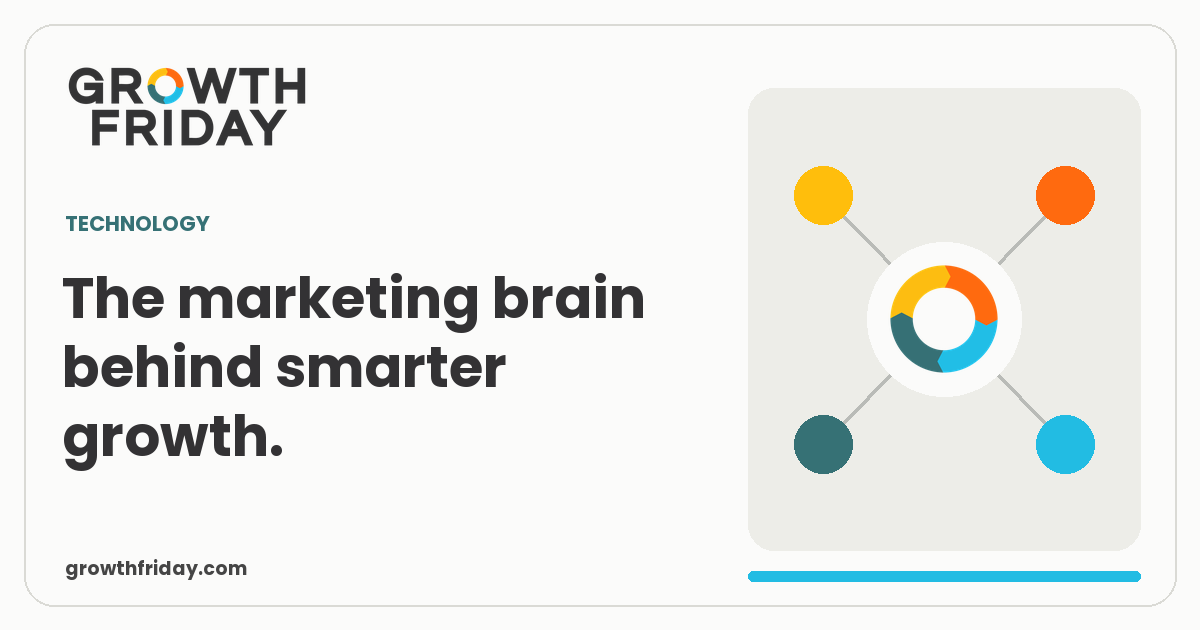
Conceptual workflow of the built internal platform. Specialists review recommendations and make the implementation decisions.
Separate reports can describe search, content, advertising and website activity while leaving a firm to work out what should happen next. We built the Growth 360 marketing brain to help our specialists connect that evidence and make the next recommendation in the context of your wider strategy.
Our first version is built and in use. It is an internal intelligence layer supporting research, analysis, content planning, campaign recommendations and reporting. Specialists bring together the evidence available for the engagement and apply your firm's priorities before recommending action.
The four pillars contribute different context:
- Organic search contributes discovery questions, search performance and selected AI observations
- Content marketing contributes topic, message and engagement evidence
- Paid media contributes campaign response, spend and available conversion evidence
- User experience contributes website journeys, usability findings and enquiry behavior
Your engagement and configuration determine the specific sources, workflows and reporting available to the team, so we explain that scope before asking you to rely on a particular capability. Your specialists remain responsible for its use.
A simple model describes the process:
- Observe the available evidence and the question it might help answer
- Interpret it with your goals, market and professional context in view
- Recommend a priority or test, with the reasoning made clear
- Implement the agreed work through the responsible specialists
- Measure the relevant actions and changes your tracking supports
- Learn from those findings and your team's commercial feedback
This is a conceptual workflow. People review recommendations and make implementation decisions. It should not be read as an autonomous chain of campaign changes.
The Technology page explains the marketing brain and its relationship to the Client Portal. Our team uses the brain internally. The portal is the client-facing access point for reporting and resources included in your engagement, with available views and update cadence agreed separately.
Experienced people remain accountable.
A plausible explanation can still be wrong. AI can miss a professional distinction, confuse two firms or suggest a campaign idea that makes little sense for your market, even when the source it points to appears credible.
An experienced strategist asks whether a recommendation fits your capacity, reputation and commercial priorities, while a law firm's designated reviewer needs to check the legal statements it publishes. An architecture practice needs accurate project credits and permission to share the material. Your voice and responsibilities belong in the work.
We agree on confidentiality, suitable tools, approved inputs and who reviews professional claims. Sensitive client material should not enter an AI workflow by default. Any relevant legal or professional requirements need review by the person responsible at your firm.
Growth Friday's experience since 2017 supports how we use today's tools. Specialists own the strategy, check the content and explain the decisions. That accountability stays visible when technology assists the work.
What this looks like for a professional service firm.
Consider a consulting firm that wants to grow its integration advisory work. This is an illustrative scenario, not a client result.
The team begins with the questions buyers ask before appointing an adviser and finds that its broad service page leaves those questions unanswered. Which integration problems does the firm handle? Who leads delivery? What would a suitable engagement involve?
A Growth 360 plan could prioritize that page, add an approved project example and develop an article answering a recurring buyer question. Search specialists check the technical foundations. The content team interviews the relevant expert. Paid media uses the same service position and directs visitors to a page that continues the conversation.
At review, the firm discusses search observations, page activity and the enquiries its team has assessed. If contacts repeatedly request work outside the firm's scope, the team revisits the message and targeting. If buyers need a clearer explanation of delivery, the next content brief addresses it.
The marketing brain assists the research and analysis behind those decisions. Specialists and the client decide what to change. That sequence gives an expert-led firm a practical way to connect discovery with the quality of the conversations that follow.
Put AI visibility to work within your marketing strategy.
Your firm's expertise should be understandable wherever prospective clients research their options. Our approach connects credible SEO, AI visibility work and the four Growth 360 disciplines, supported by an integrated AI marketing brain and experienced people.
Request a discovery call to discuss your priority services, current evidence and the clients you want to reach. You can also explore our AI SEO and GEO services before the conversation.